Handheld LiDAR Scanners
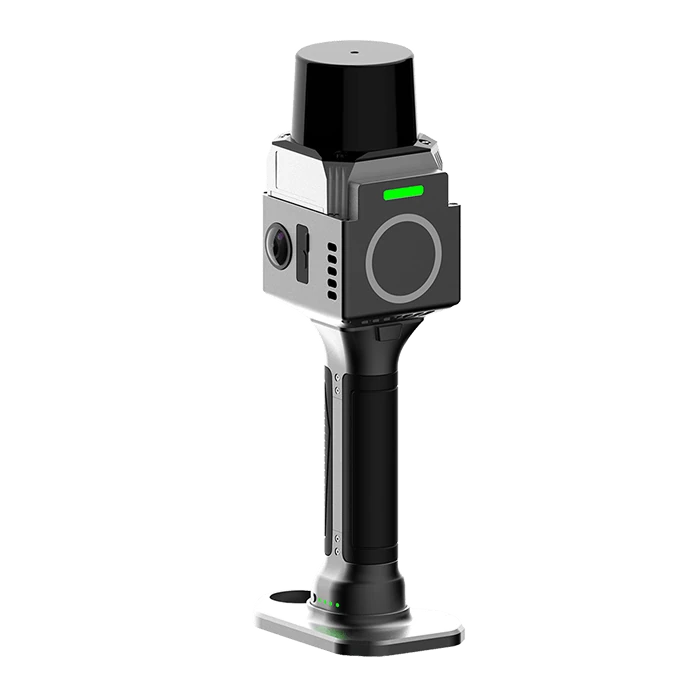
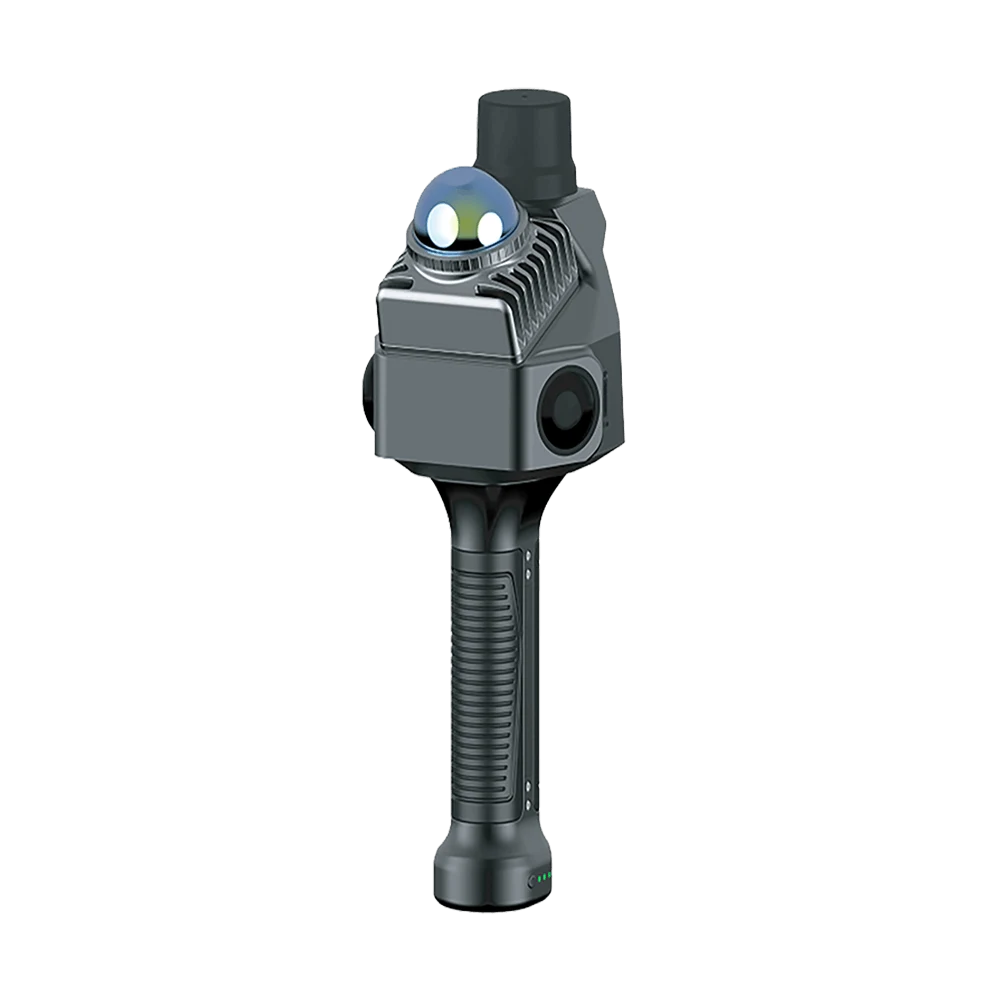
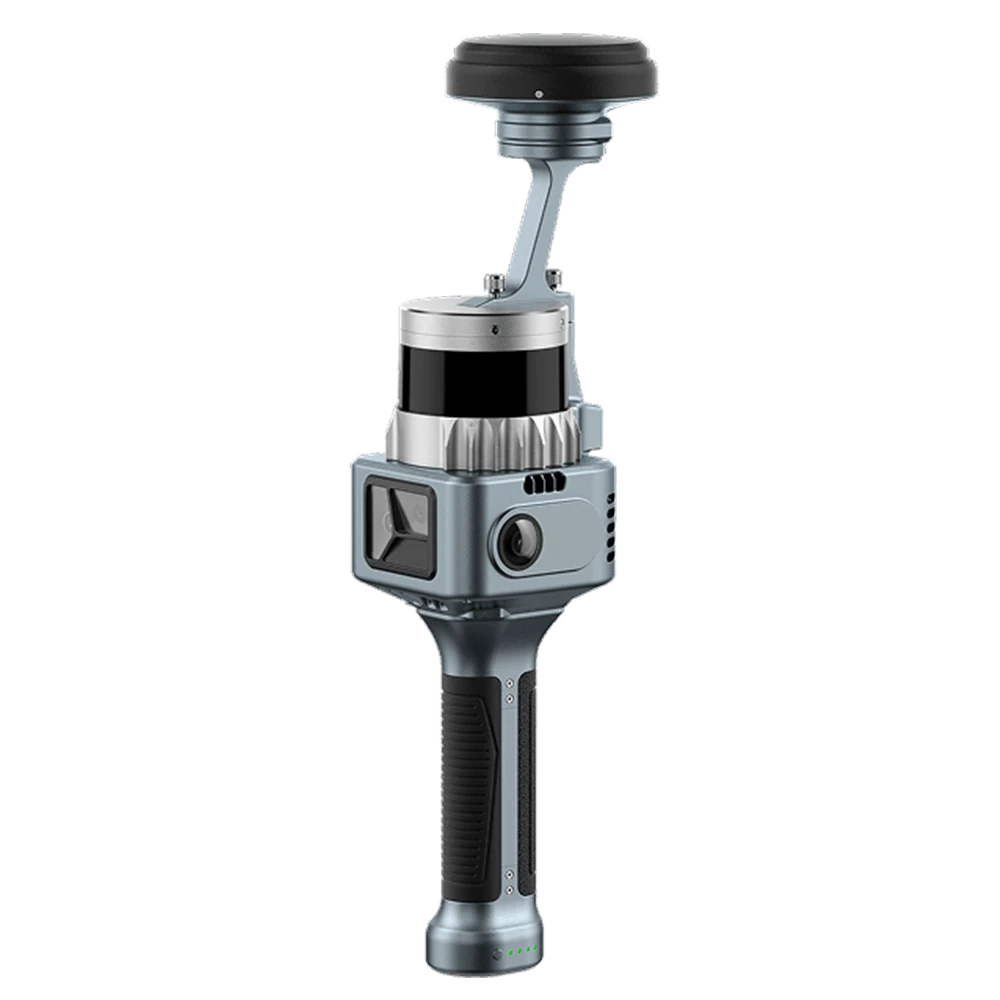
SXMCA Lite, SXMCA2 and SXMCA PRO. 360° LiDAR, real-time point clouds, prices from $6,300.
What is a handheld LiDAR scanner?
A handheld LiDAR scanner is a portable 3D scanner. It measures distance with laser pulses and builds a point cloud while you walk through a site. CRATUS offers three SXMCA handheld LiDAR scanners, from $6,300, with accessories and US technical support.
- From $6,300SXMCA Lite. The SXMCA2 is $9,750 and the SXMCA PRO is quoted on request.
- Up to 5.24M points/sSXMCA PRO, with up to 200 m range
- RTK built inSXMCA2 and SXMCA PRO
- DDP pricingShipping and tariffs included, typical lead time 2 to 3 weeks
Handheld LiDAR Scanner Models and Prices
Add a scanner to your cart or request a quote. Prices are in US dollars and are DDP, so shipping and tariffs are included. Sales tax is added by purchase location.
Accessories
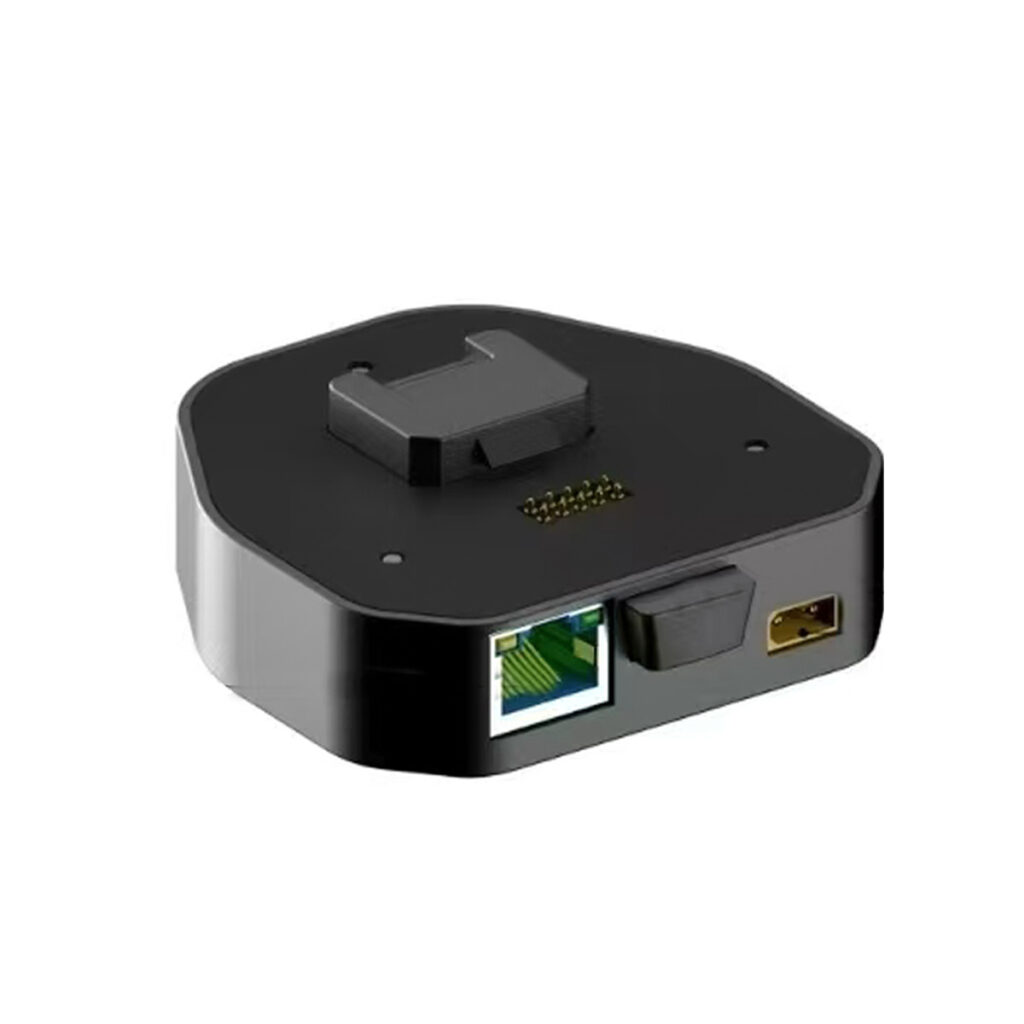
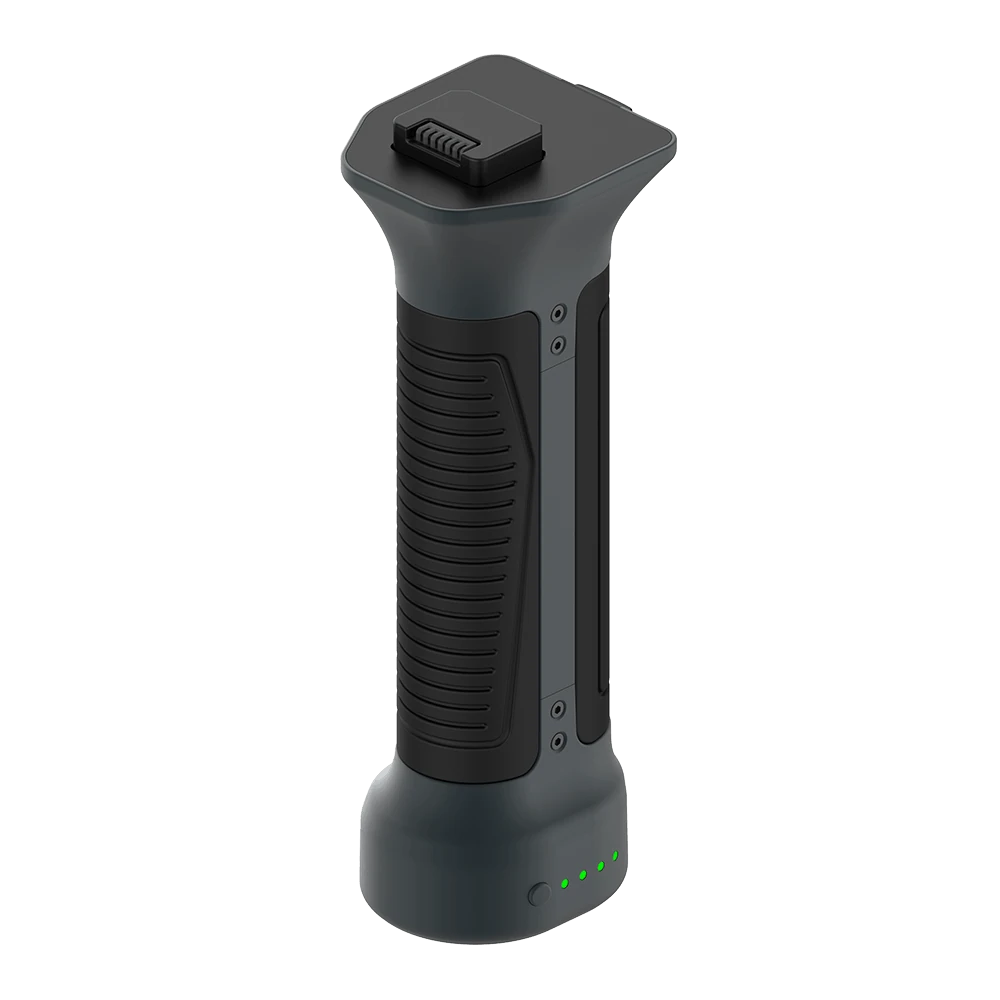
A spare battery for longer jobs and a mounting unit for drones, robots and fixed installs.
SXMCA Handheld LiDAR Scanner Comparison
The three scanners side by side. Open a model page for the full specification sheet.
| SXMCA Lite | SXMCA2 | SXMCA PRO | |
|---|---|---|---|
| Price | $6,300 | $9,750 | Request a quote |
| Best for | AEC and BIM work at short to mid range | Construction, survey and mapping with built-in RTK | Dense, long-range capture for survey and engineering |
| Weight | 1,123 g with battery (760 g main unit) | 982 g with battery (619 g main unit) | 1,160 g (1,325 g with RTK) |
| LiDAR range | 0.05 to 40 m at 10% reflectivity, up to 70 m at 80% | 0.1 to 40 m at 10% reflectivity, up to 70 m at 80% | Up to 200 m |
| Point rate | 216,000 points/s | 200,000 points/s | Up to 5,240,000 points/s |
| Accuracy | Relative accuracy under 1 cm | Relative accuracy better than 1 cm | About 5 mm point cloud precision |
| RTK | Not specified | Built in | Built in |
| Cameras | 2 x fisheye, 12 MP output | 2 x fisheye, 12 MP output | Panoramic and frontal high-resolution cameras with VSLAM |
| Protection | IP5X | IP5X | See product page |
| Operating time | 150 min | 150 min | See product page |
| Point cloud formats | LAS, PCD, PLY, RCP, E57 | LAS, PCD, PLY, RCP, E57 | LAS, PCD, PLY, RCP, E57 |
Specifications are as published on each product page. Ask us for the controlled datasheet if you need it for a tender or purchase order.
How Does a Handheld LiDAR Scanner Work?
A handheld LiDAR scanner combines four steps in one device, so you get a usable 3D model while you are still on site.
It measures
The LiDAR sends laser pulses and records how long each one takes to return. Every return becomes a point in 3D space.
It tracks its motion
An inertial sensor and SLAM software follow how the scanner moves, so each scan lines up with the one before. This works indoors, where satellite signals are weak.
It adds color and position
Cameras color the point cloud. RTK, built into the SXMCA2 and SXMCA PRO, adds precise positions outdoors.
It exports the point cloud
Standard formats such as LAS and PLY open in common survey, BIM and CAD software.
See a Handheld LiDAR Scanner in Action
A 55-second look at how a handheld scanner captures a site in 3D.
Where Handheld LiDAR Scanners Are Used
Teams use them wherever a site needs to be measured quickly and in full detail.

Construction
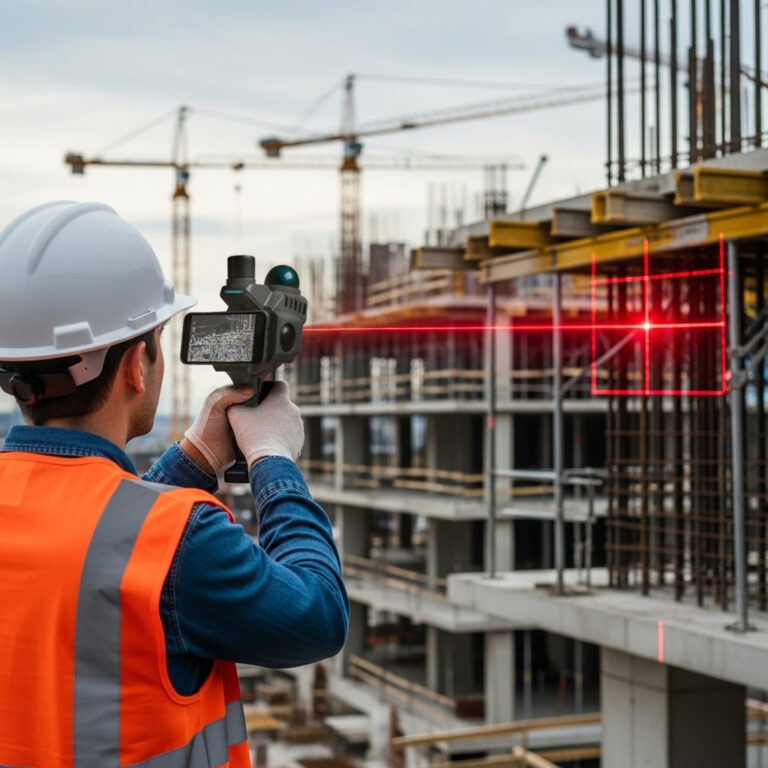
Capture as-built conditions, track construction progress and scan to BIM.

Surveying and mapping
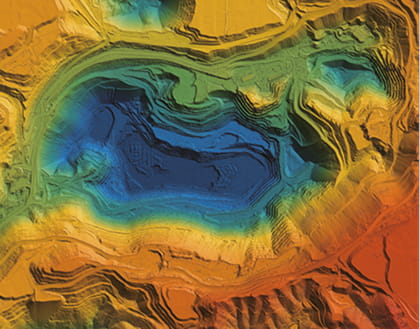
Map sites and capture georeferenced point clouds with built-in RTK.

Architecture and BIM
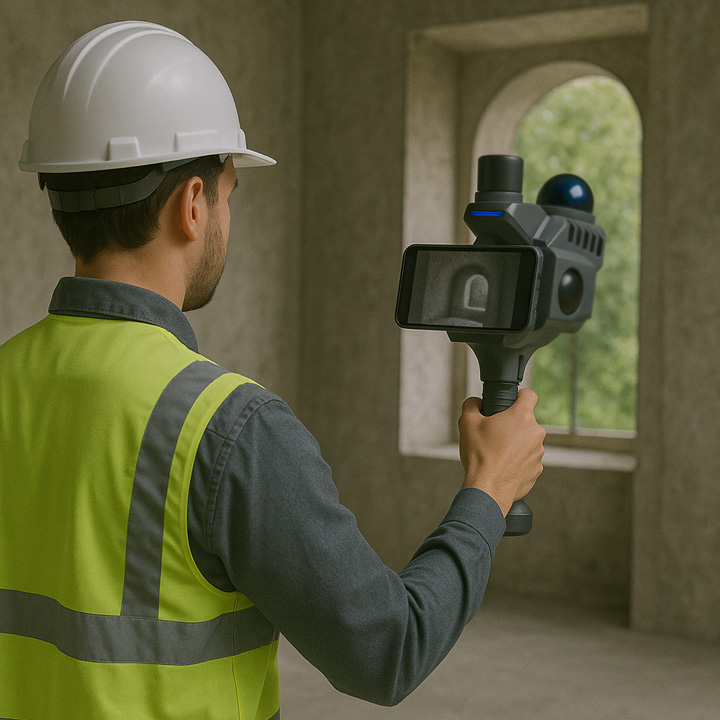
Document building interiors and facades for renovation and scan-to-BIM workflows.

Public safety
Reconstruct scenes quickly from colored point clouds.

Smart manufacturing
Scan factory floors and work cells for layout planning and digital twins.

Robotics
Map robot work areas, or mount an SXMCA on a robot or drone with the SXMCA2 HUB.
How to Choose a Handheld LiDAR Scanner
Start with the job, then check these six points.
- AccuracyRelative accuracy shows how well a scan keeps its shape. The SXMCA Lite and SXMCA2 are under 1 cm. The SXMCA PRO reaches about 5 mm.
- RangeInteriors need less than 40 m. Large outdoor sites need more. The SXMCA PRO reaches 200 m.
- PositioningChoose RTK when scans must land in real-world coordinates outdoors. The SXMCA2 and SXMCA PRO have it built in.
- Point rateA higher rate gives denser clouds and supports faster walking speed. The SXMCA PRO captures up to 5.24 million points per second.
- Weight and batteryA light scanner reduces fatigue on long jobs. The SXMCA2 weighs 982 g with battery (619 g main unit). The SX BAT spare battery adds up to 150 minutes of scanning.
- Software and formatsCheck that the output opens in your tools. All three scanners export LAS, PCD, PLY, RCP and E57.
Short answer: the SXMCA Lite for AEC and BIM interiors, the SXMCA2 for RTK-based construction and survey work, and the SXMCA PRO for the highest point rate and longest range.
Scanner Software and Output Formats
Every SXMCA scanner works with the same three software tools. They cover capture, processing and sharing.
SXMCA GO
Real-time point cloud preview, quick quality checks and device status at a glance, on your phone while you scan.
SXMCA STUDIO
One-click point cloud processing with optimization, editing and multi-format export. It works with mainstream software.
SXMCA CLOUD
Online preview and 3DGS computation, with cloud collaboration that reduces dependence on local hardware.
SXMCA2 Technical Specifications
The full specification list for the SXMCA2 handheld LiDAR scanner.
| Weight | 982 g with battery (619 g main unit, 363 g battery) |
|---|---|
| Dimensions | 104 x 140 x 305.7 mm, or 104 x 105 x 133.2 mm for the main unit |
| Wireless connection | Built-in Wi-Fi |
| Operating temperature | -20 to 55 °C |
| Protection level | IP5X |
| Power supply | Handle battery or external power supply |
| Supply voltage | 14.4 V |
| Battery capacity | 3,150 mAh |
| Power consumption | Under 20 W |
| Operating time | 150 minutes |
| Charging | Type-C interface, PD fast charging |
| Storage | TF card, 256 GB included (up to 1 TB) |
| Housing material | Aerospace aluminum |
| RTK | Built in |
| RTK accuracy | Horizontal 0.8 cm + 1 ppm, vertical 1.5 cm + 1 ppm |
| Solution method | Real-time processing or post-processing |
| Point cloud formats | LAS, PCD, PLY, RCP, E57 |
| Laser lines | 40 |
| Laser class | Class 1, 905 nm |
| Relative accuracy | Better than 1 cm |
| Absolute accuracy | Less than 5 cm |
| Point cloud thickness | Less than 1 cm |
| Point cloud frequency | 10 Hz |
| Scanning range | 0.1 to 40 m at 10% reflectivity, 0.1 to 70 m at 80% reflectivity |
| Laser field of view | 59 x 360 degrees |
| Point cloud density | 200,000 points/s |
| Display | Real-time colorized point cloud |
| Camera | 2 x fisheye, 1/2 inch sensor (48 MP sensor, 12 MP output) |
| Camera field of view | 200 x 200 degrees per camera |
Handheld LiDAR Scanner FAQ
What is a handheld LiDAR scanner?
A handheld LiDAR scanner is a portable 3D scanner you carry through a site. It sends out laser pulses, records how long they take to return, and builds a point cloud. Cameras add color, and SLAM software joins the scans as you move.
How does a handheld LiDAR scanner work?
The LiDAR measures the distance to surfaces with laser pulses. An inertial sensor and SLAM software track how the scanner moves, so each scan lines up with the one before. This works indoors, where satellite signals are weak. RTK adds precise positions outdoors.
How accurate is a handheld LiDAR scanner?
It depends on the model. The SXMCA Lite and SXMCA2 reach relative accuracy better than 1 cm. The SXMCA PRO reaches about 5 mm point cloud precision. Relative accuracy describes how well a scan keeps its shape. Absolute accuracy needs RTK or control points.
Do I need RTK on a handheld LiDAR scanner?
RTK gives centimeter-level absolute positions outdoors, so your scan lands in real-world coordinates. It matters for surveying, mapping and georeferenced digital twins. It matters less for indoor scans that only need relative geometry. The SXMCA2 and SXMCA PRO have RTK built in.
Which handheld LiDAR scanner should I choose?
Choose the SXMCA Lite for AEC and BIM work at short to mid range. Choose the SXMCA2 when you need built-in RTK and real-time color point clouds for construction and survey work. Choose the SXMCA PRO for the highest point rate, up to 200 m range and 5 mm precision.
How much does a handheld LiDAR scanner cost?
The SXMCA Lite is $6,300 and the SXMCA2 is $9,750. The SXMCA PRO is quoted on request. The SX BAT spare battery is $525 and the SXMCA2 HUB mounting unit is $1,050. Use the quote button for volume pricing.
Do the prices include shipping and tariffs?
Yes. Prices are DDP, so they include shipping and tariffs. Sales tax is charged separately and depends on the purchase location.
What is the lead time?
The factory keeps scanners in stock, so the lead time is typically 2 to 3 weeks from receipt of order.
What comes with the scanner?
The scanners come with a battery handle, a charger and the dongle needed to run the post-processing software. The software and the mobile app used for viewing during capture can be downloaded online.
What output formats are available?
All three scanners export LAS, PCD, PLY, RCP and E57. Images are saved as JPEG. SXMCA STUDIO processes and exports the data.
Can I mount the scanner on a drone or robot?
Yes. The SXMCA2 HUB mounting unit lets you mount an SXMCA on a drone, a robot or a stationary setup, with data and power connections. It costs $1,050.
Do you offer volume discounts and technical support?
Yes to both. Contact the sales team for larger orders. CRATUS has technical support staff in the US.
Let’s Find the Right Scanner for Your Site.
Tell us your site type, accuracy target and budget. The CRATUS team will recommend a scanner and send a quote.
New to LiDAR? Read What Is LiDAR Technology? A Practical Guide. For underground work, see LiDAR scanners for infrastructure and sewage pipe inspection.