

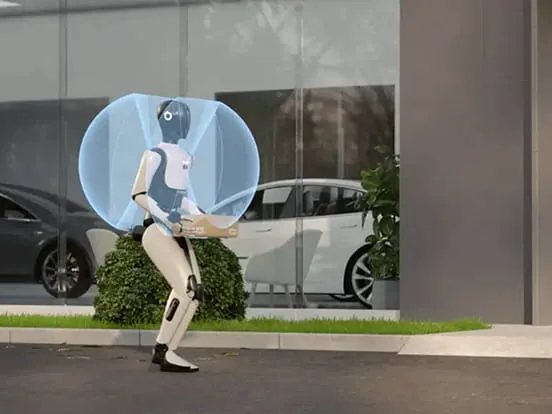
Humanoid robots
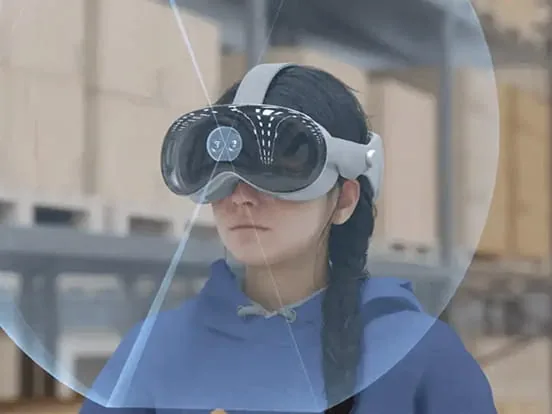
Head and wrist mounting, where the 77% smaller window and wide FOV matter most.
180° × 135° field of view directional lidar sensor with 1 cm high precision, 1.5 million points per second and no moving parts, for robotics and industrial automation applications such as robot navigation, collision avoidance, object counting, people counting and access security.
END MARKETS
COMING SOON
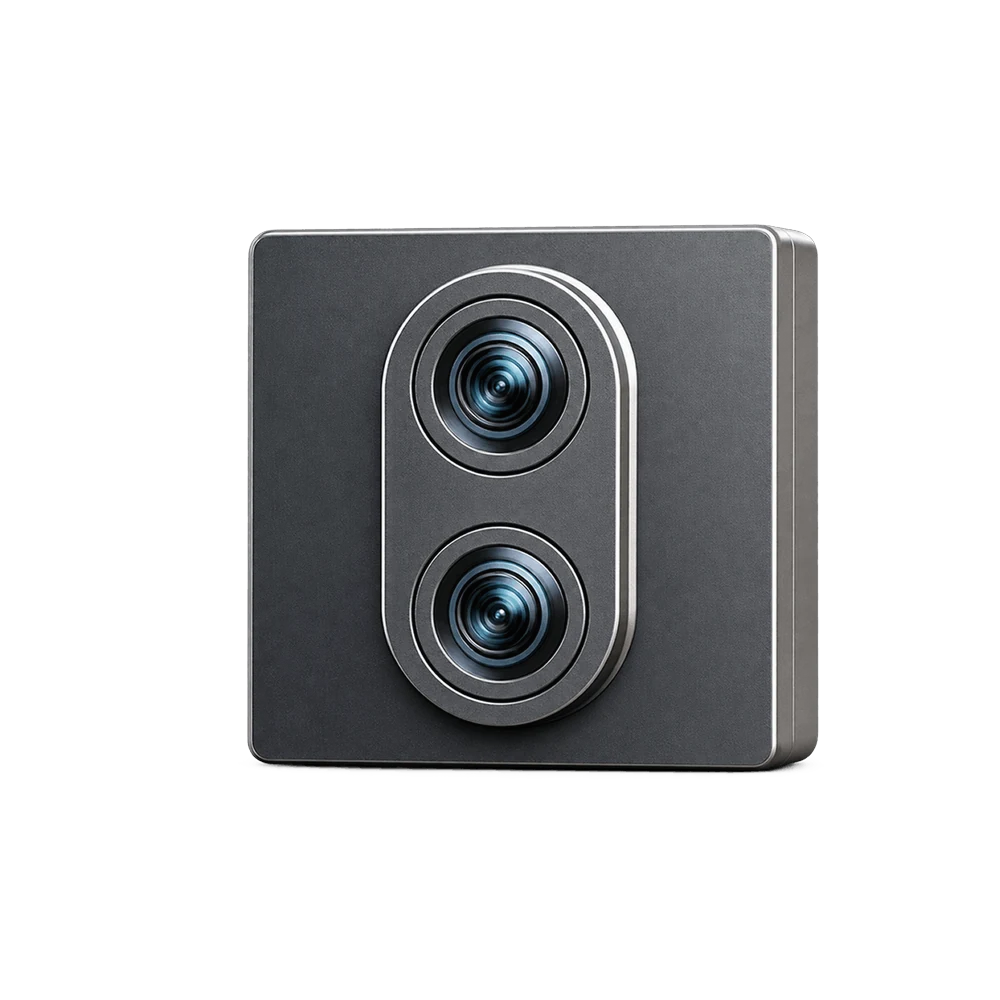
Built on RoboSense's fully solid-state digital LiDAR E platform, the E2 combines proprietary SPAD-SoC and VCSEL technology with an ultra-wide field of view and high-density point cloud generation.
Designed for robotics, humanoids and other autonomous systems, it captures object distance, size and contour with high precision, providing reliable 3D perception for navigation, mapping and obstacle avoidance.
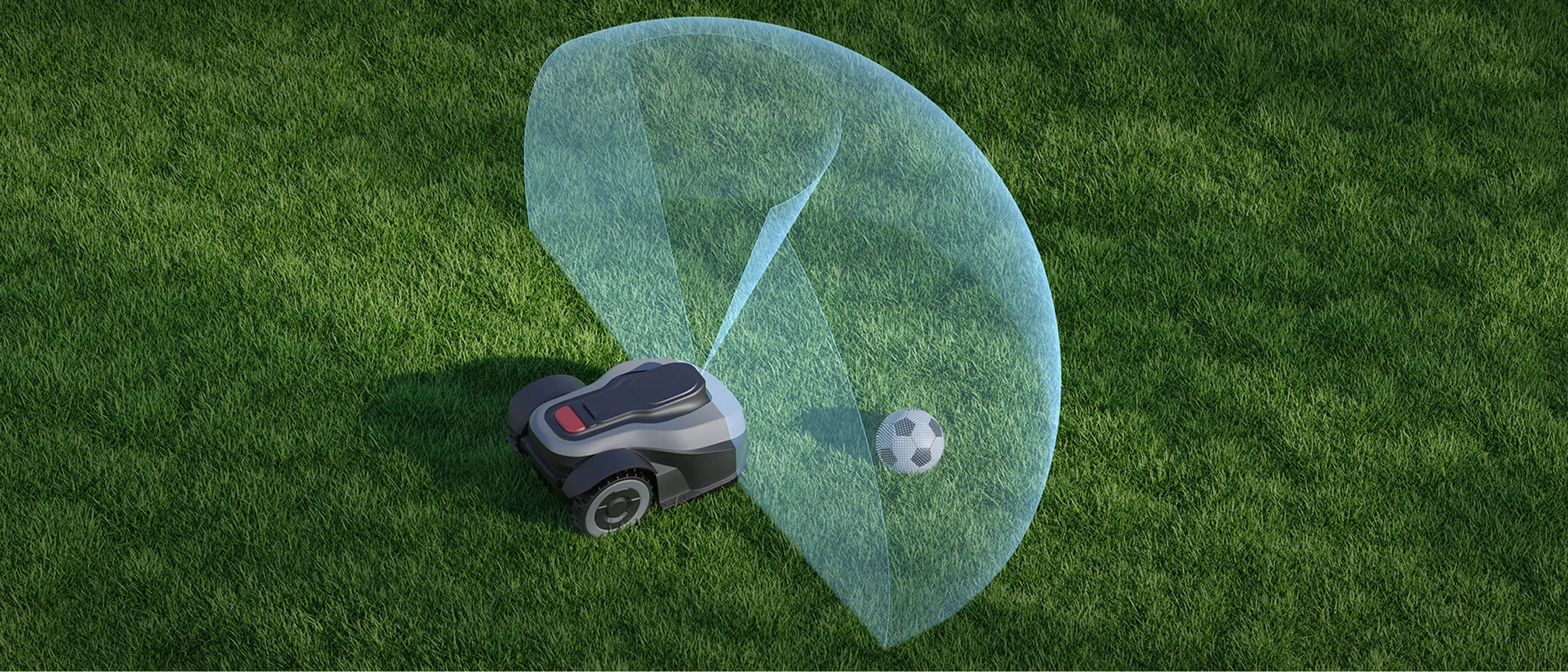
Three design decisions that change where this sensor can be mounted.
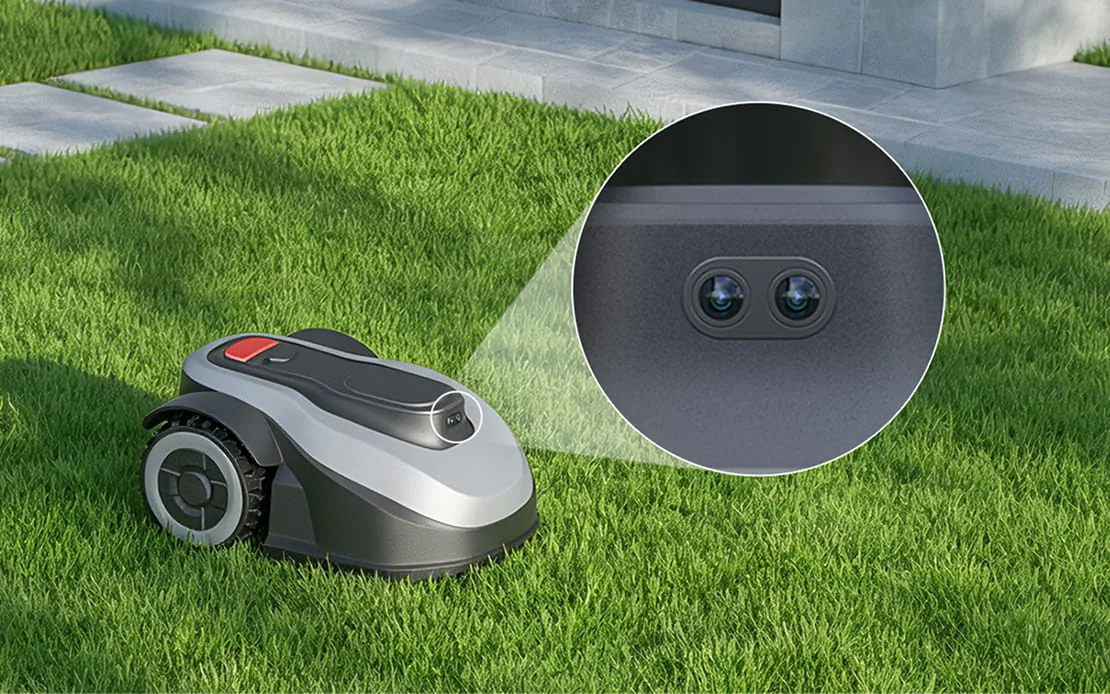
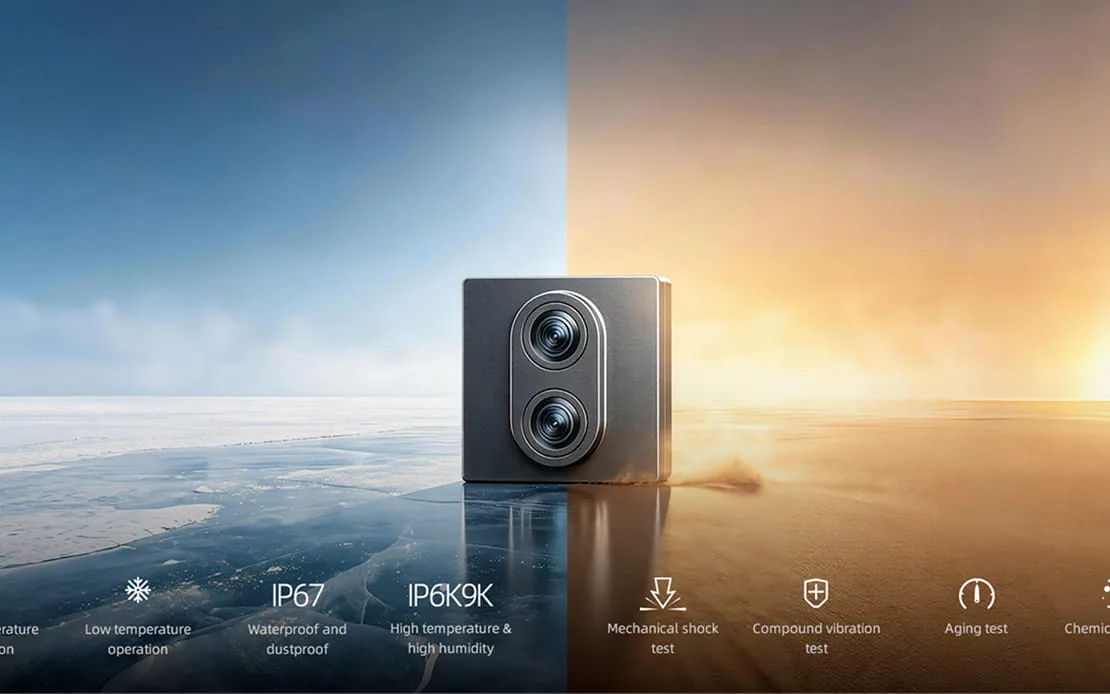
The E2 adopts an elegant built-in dual-camera design that cuts overall size by 60% and weight by 40% against the previous generation. The exposed flat window area is reduced by 77%.
That last figure matters more than it first appears. Exposed optical window is the part of a sensor most vulnerable to impact, abrasion and contamination — shrinking it by three quarters is what makes the sensor viable in robot heads and wrists, and on compact robotic platforms where a large flat glass face simply cannot be protected.
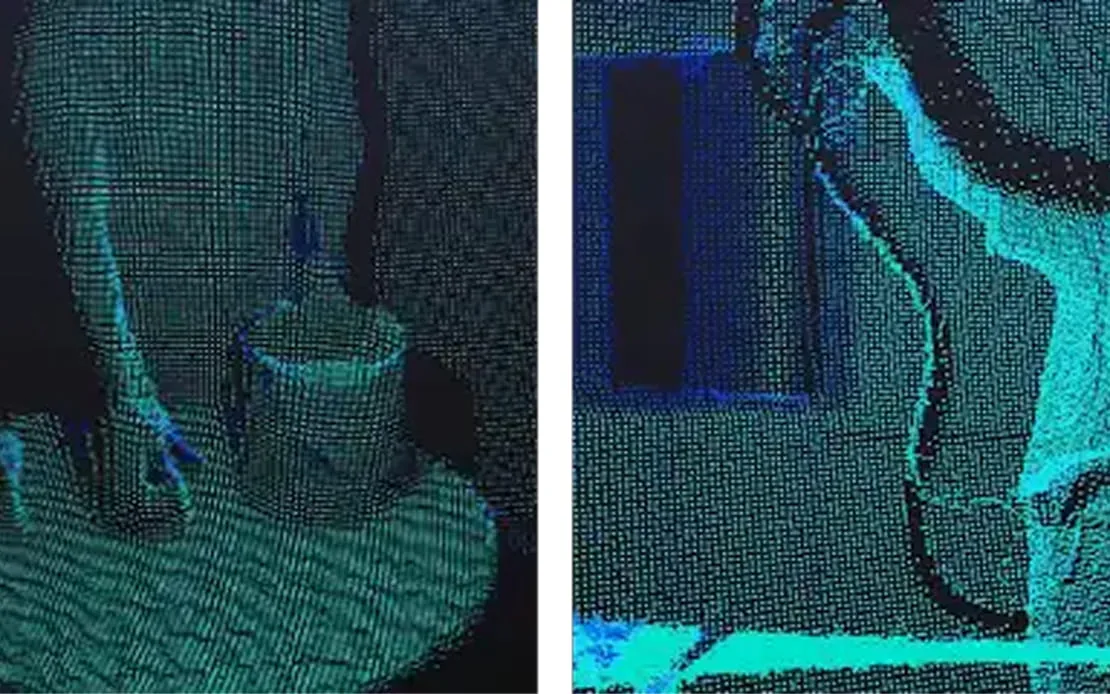
With a highest precision of 1 cm (1σ) and a highest angular resolution of 0.375° × 0.375°, the E2 resolves the contours of slender objects and tracks their position in real time.
Slender objects — chair legs, cables, table edges, plant stems, fence wire — are the classic blind spot of coarse-resolution sensors. They occupy too few angular cells to register reliably, and a robot that cannot see them either collides with them or freezes. Angular resolution is what puts enough returns on a thin object to hold it in a track.
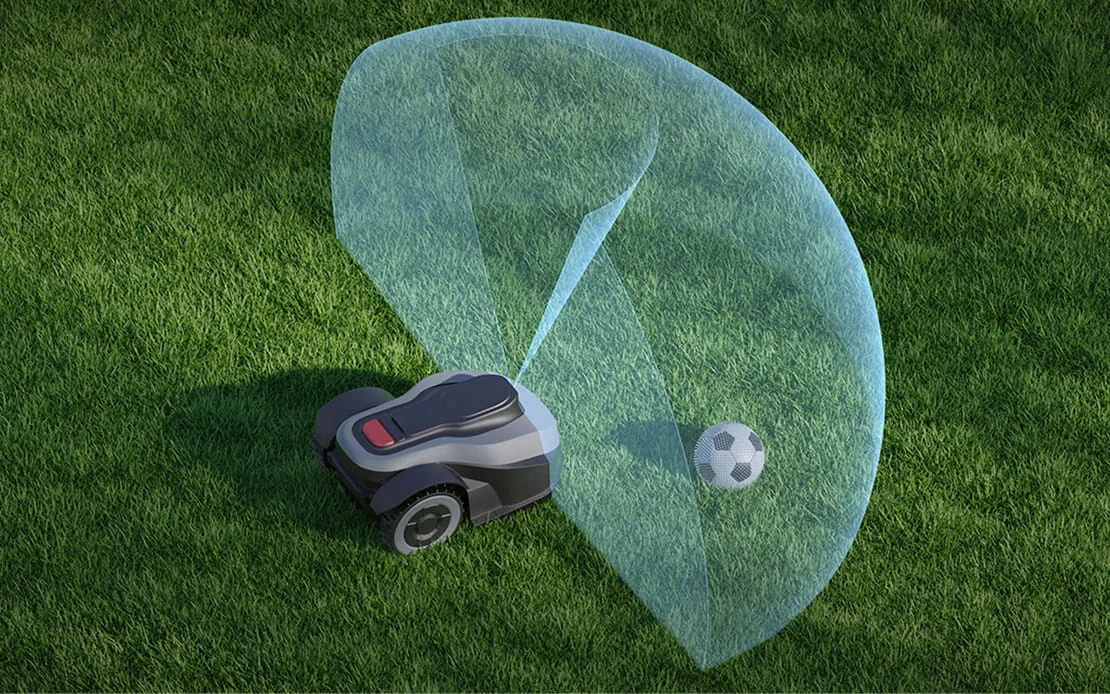
The E2's field of view reaches 180° × 135°, which is 2.25× wider than the previous generation. A full hemisphere horizontally, and 135° vertically.
The practical consequence is a count: one E2 is enough for a robot to capture obstacles directly ahead and along both sides simultaneously. Where a narrower sensor demands two or three units and the calibration, wiring and power budget that come with them, the E2 covers the same volume from a single mounting point.
RoboSense is the first company in the industry to reach mass production of SPAD-SoCs for fully solid-state LiDAR.
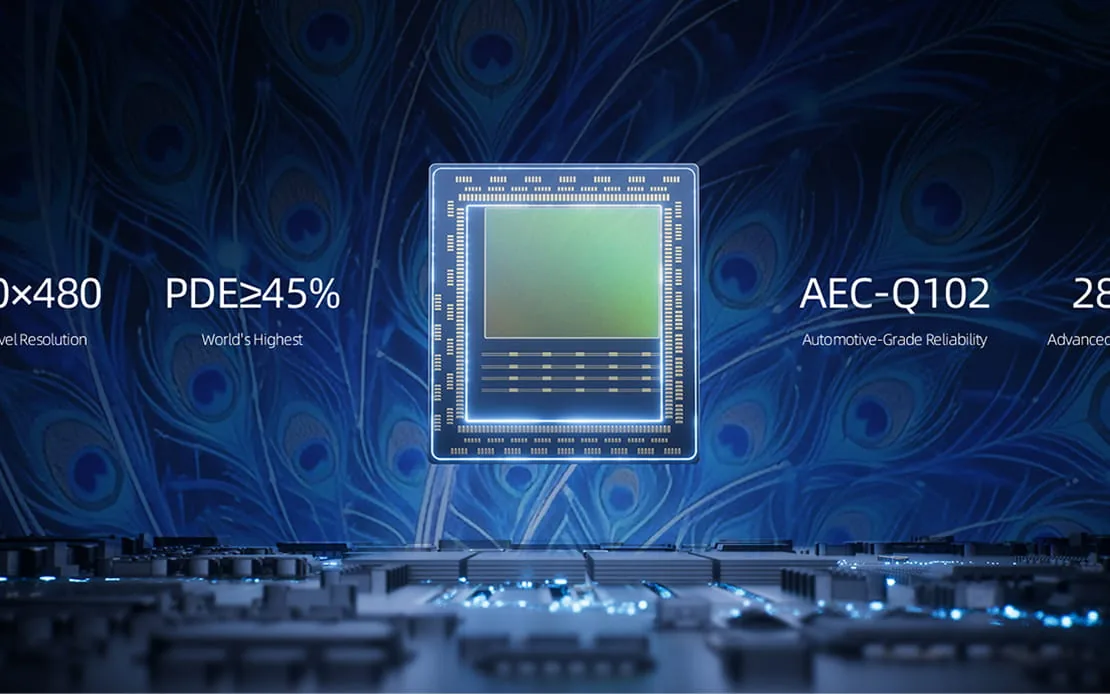
Built on the next-generation proprietary Peacock SPAD-SoC and a 2D VCSEL chip, replacing mechanical scanning with an ultra-simplified electronic scanning architecture. Peacock adopts second-generation 3D stacking, so a single chipset receives digital signals, processes them and outputs a high-quality point cloud in real time — all on one die stack. Both the SPAD-SoC and the 2D VCSEL carry AEC-Q102 automotive-grade qualification.
The minimalistic electronic scanning architecture has no internal moving parts of any kind. That single decision cascades into long-term durability, high integration and scalability for mass production. A mechanical scanner buys resolution with a bearing that wears and a calibration that drifts; electronic scanning removes both liabilities from the bill.
Ultra-low power consumption of ≤ 5 W under typical operating conditions — a meaningful figure on a battery-powered robot where every watt is subtracted from runtime. The E2 has passed over 60 reliability tests, withstands vibration impacts up to 50 G and operates across −40 °C to +85 °C.
The five platform types RoboSense builds the E2 for.
Head and wrist mounting, where the 77% smaller window and wide FOV matter most.
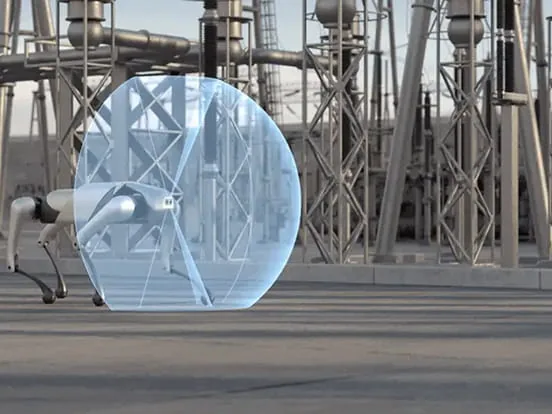
50 G vibration tolerance for legged locomotion over challenging terrain.
1 cm precision and 1.5M pts/s for dense survey and mapping capture.
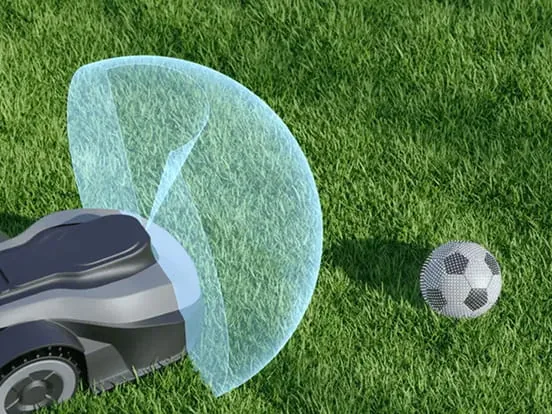
Slender obstacle contours — stems, wire, furniture legs — held in track.
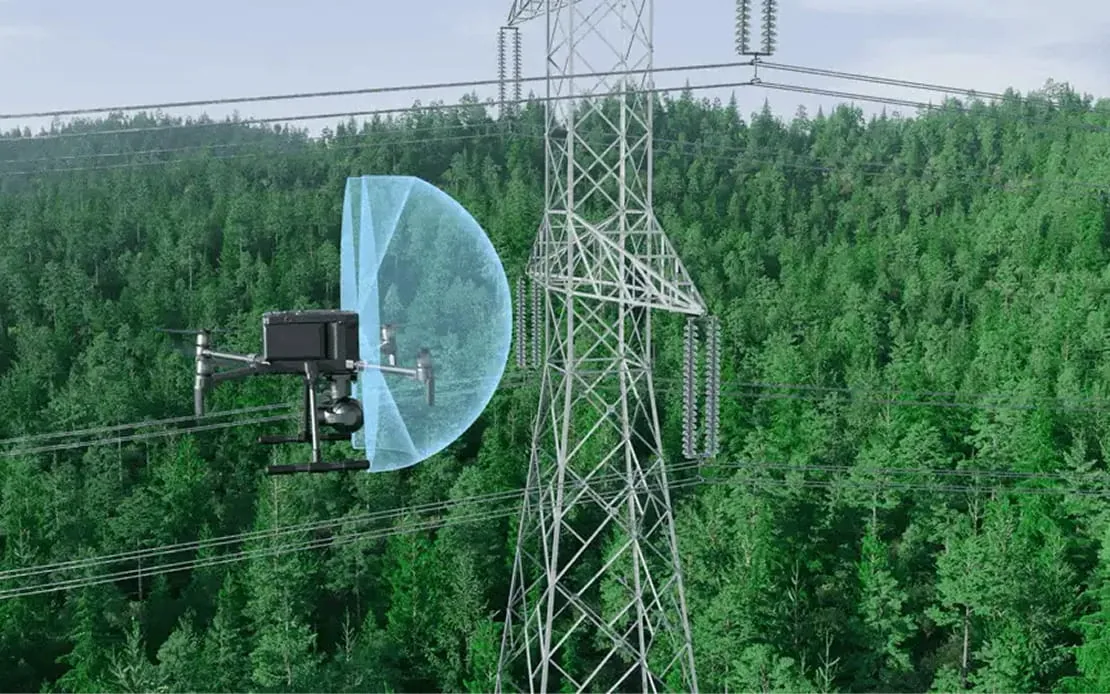
On an airborne platform every gram and every watt is taken directly out of flight time. The E2's 40% weight reduction and ≤ 5 W draw are what make a high-precision wide-FOV LiDAR defensible on a drone at all, and the −40 °C to +85 °C range covers altitude as readily as it covers a hot enclosure.
As published by RoboSense. Parameters not disclosed publicly are marked “—”; contact us for the controlled datasheet under NDA.
RoboSense states that product specifications may vary by version. For specific information, refer to the structural drawings or the 3D digital model — we can supply both.
Size, weight and window-area reductions are published as percentages against the previous generation rather than as absolute dimensions. Absolute values are available in the controlled datasheet.
1 cm is the highest precision figure at 1σ; 0.375° × 0.375° is the highest angular resolution. Both will vary with range, target reflectivity and operating conditions.
Specifications are subject to change. Please confirm against the current RoboSense datasheet before design-in.
GET IN TOUCH
One of our experts will be communicating with you shortly. We are committed to understanding your application and providing support, tailored to your specific requirements.
Request a Quote
One of our experts will be communicating with you shortly. We are committed to understanding your application and providing support, tailored to your specific requirements.