

ODIN1 Lite Spatial Memory Module for Embodied AI, Quadruped and Humanoid Robots
Compact dToF depth sensor, global-shutter RGB camera and IMU with built-in SLAM and spatial memory. Built for embodied AI agents on quadruped, humanoid and mobile robot platforms.
END MARKETS
$899.00
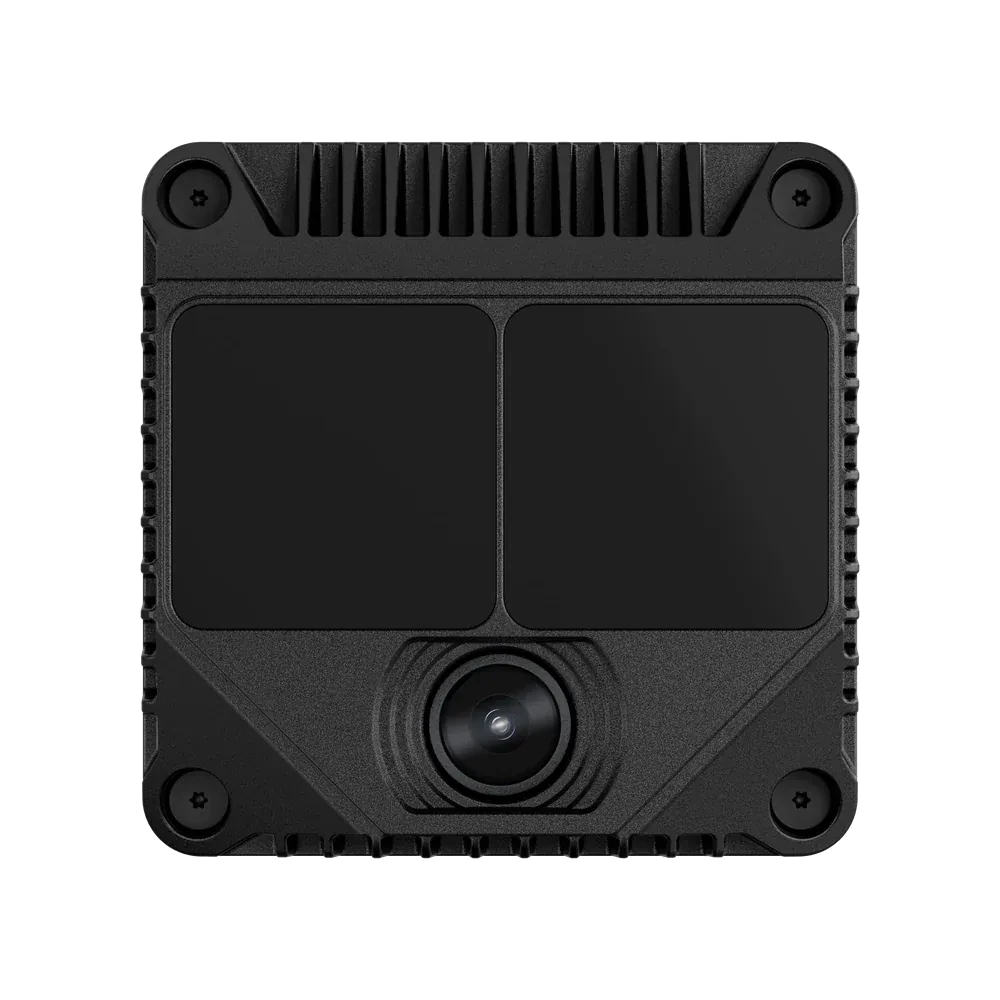
IP66 & 50G shock
Spatial memory for embodied AI
ODIN1 Lite gives robots spatial awareness and spatial memory in one lightweight module: real-time colorized point cloud, built-in SLAM and relocalization maps, ready for quadrupeds, humanoids and mobile platforms.
Spatial Awareness
Designed for embodied AI agents
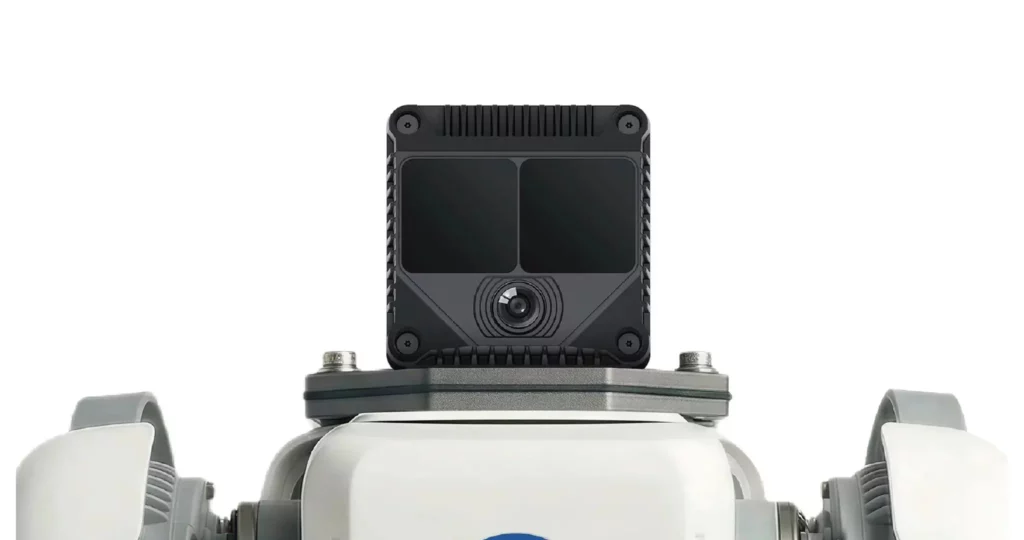
Lighter and more compact than ODIN1, ODIN1 Lite fuses dToF depth, a global-shutter RGB camera and an IMU in one module. It adapts easily to quadruped robots, humanoid robots and mobile platforms, and handles impacts and harsh physical environments with ease.
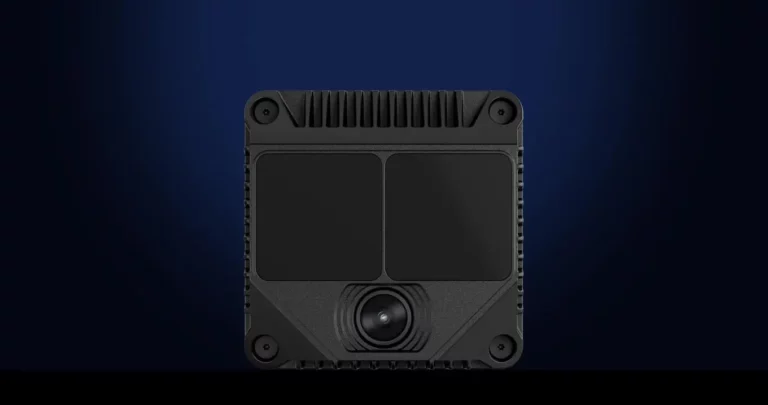
Auto-Exposure dToF
Precise sensing at any distance: 25 m (82 ft) at 10% and 50 m (165 ft) at 90% reflectivity, down to 15 cm (6 in). Exposure adapts in real time as distance changes, so one module covers grasping, obstacle avoidance and navigation.

Ultra-light Design
Weighs only 274 g (9.7 oz) for flexible deployment on legged robots, humanoids and other weight-sensitive platforms
Compact & Plug-and-Play
Approx. 69 × 69 × 58 mm (2.72 × 2.72 × 2.28 in), 9–24 V input. Compatible with all robot platforms, plug-and-play
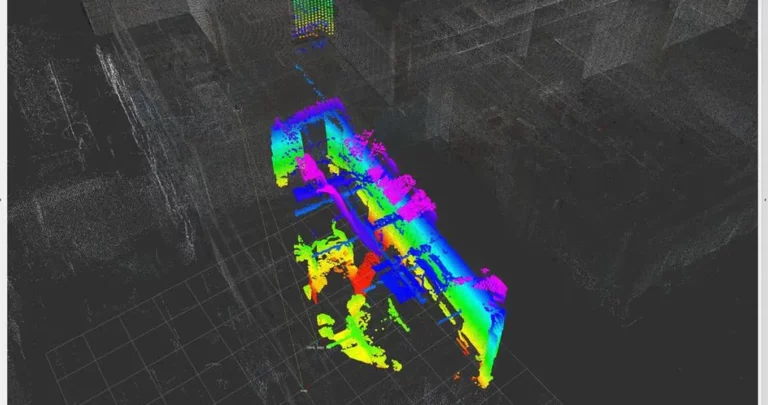
High-density Point Cloud
Up to 430,000 points/second with 0.5° × 0.5° angular resolution. True-color and raw point cloud output captures spatial detail in real time
High-resolution Data Acquisition
Global-shutter RGB camera with a 121° H × 106° V field of view, providing clear, high-fidelity 3D reconstruction data
240 × 180 Depth Module + 1280 × 1088 RGB
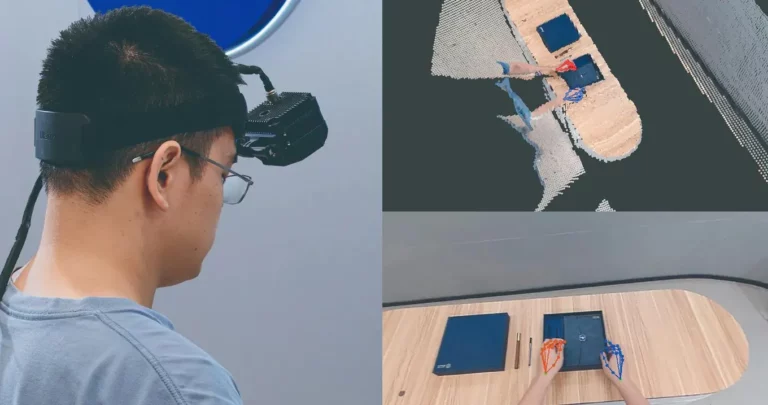
ODIN1 Lite Ecosystem
From a single scan to a full data pipeline: one-click upload to the MindCloudX.AI data processing platform for a sensing, training and deployment workflow. Continuous data accumulation, continuous system evolution
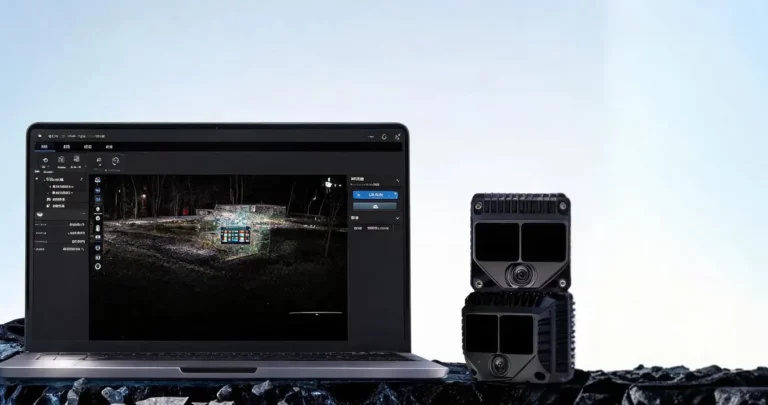
Spatial Memory
Capture | Train | Deploy: a closed loop from data capture to deployment
Capture live 3D and high-precision spatial data, upload to MindCloudX.AI with one click and export Mesh, 3DGS, .las, .obj, .e57 or .usd into Isaac Sim and NVIDIA Omniverse, significantly reducing training environment setup time.
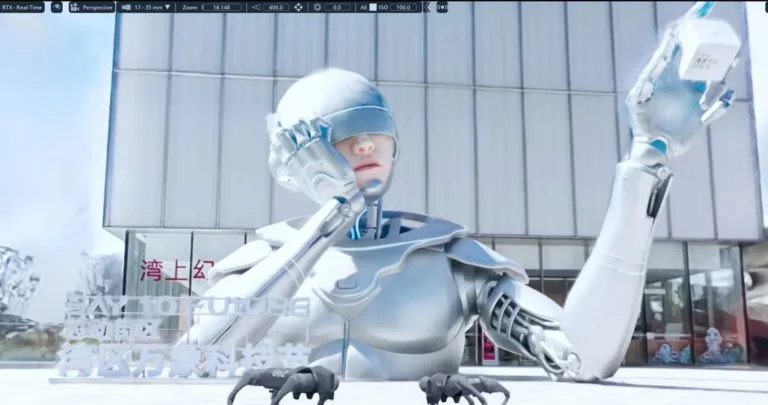
Centimeter-level Positioning
Built-in SLAM with 2 cm + 0.2% accuracy and laser-enhanced odometry. Reliable in low-light and degraded environments, without GPS or wheel odometry. Lightweight relocalization maps deploy directly to quadrupeds, wheeled robots and humanoids
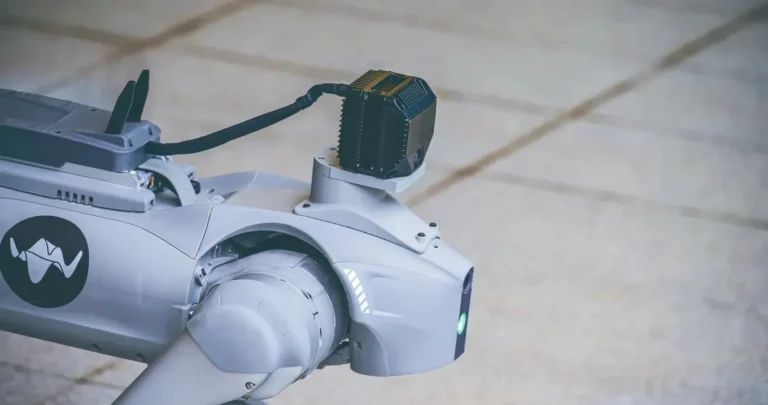
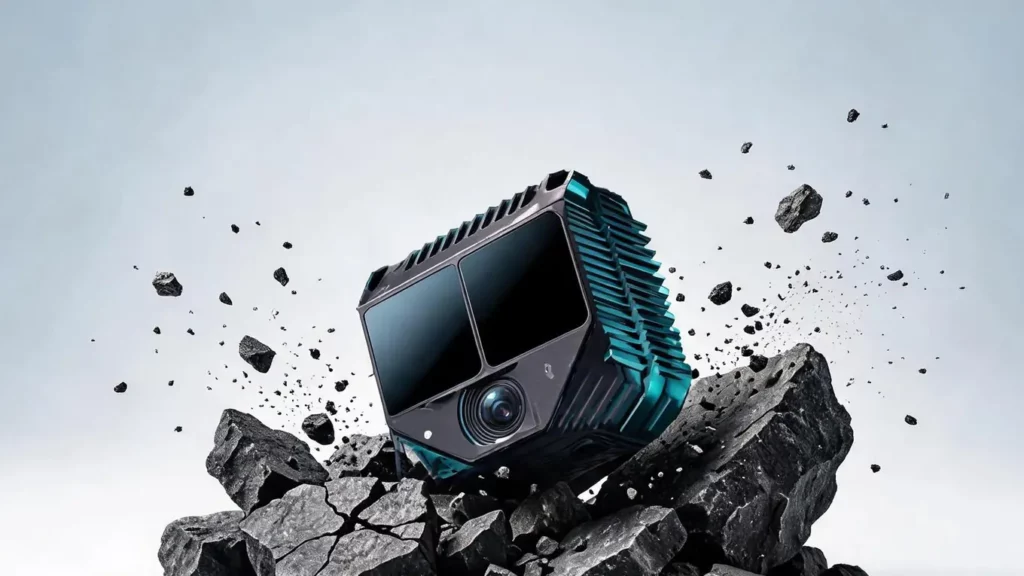
IP66 Rugged, Shock-resistant Design
IP66 waterproof and dustproof, 50G × 5 ms shock resistance. Stays stable through collisions, drops and complex conditions with zero data loss.

Application Scenarios
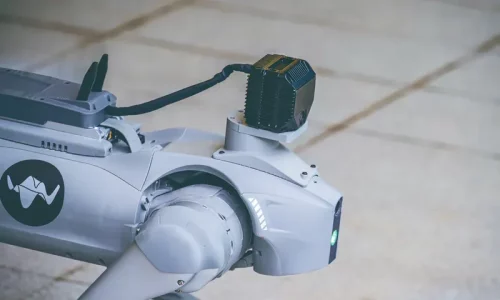
Quadruped Robots
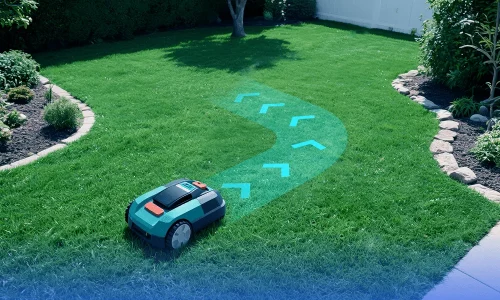
Mobile Robots & AMRs

Humanoid Robots

Grasping & Manipulation

Digital Twin & Simulation

Search, Rescue & Inspection
Frequently Asked Questions
What is ODIN1 Lite, and how does it work?
ODIN1 Lite is a compact spatial awareness and spatial memory solution designed for embodied AI and autonomous robots. It combines direct Time-of-Flight (dToF) depth sensing, RGB imaging, and built-in SLAM positioning to capture 3D spatial information. This enables robotic platforms to perceive, localize, and interact with physical environments.
How does ODIN1 Lite improve spatial awareness in autonomous robots?
ODIN1 Lite provides real-time 3D depth information with a 120° × 90° field of view and a sensing range of up to 50 meters under specified conditions. Its adaptive auto-exposure technology supports sensing across changing distances, while laser-enhanced odometry enables robust localization in low-light and visually challenging environments.
What is the difference between ODIN1 Lite and traditional LiDAR sensors?
ODIN1 Lite goes beyond standalone depth sensing by combining dToF technology, RGB imaging, built-in SLAM positioning, and spatial data processing capabilities. Rather than providing only distance measurements, it supports spatial awareness, localization, and spatial memory workflows for embodied AI applications. Capabilities vary between individual LiDAR systems.
Can ODIN1 Lite operate without GPS or wheel odometry?
Yes. ODIN1 Lite uses laser-enhanced odometry to support high-precision 3D localization without relying on GPS or wheel odometry. Its built-in SLAM positioning provides a specified accuracy of 2 cm + 0.2% under laboratory conditions, making it suitable for robotic applications where conventional positioning methods may be limited.
Which robotic platforms are compatible with ODIN1 Lite?
ODIN1 Lite is designed for integration with quadruped robots, humanoid robots, wheeled robots, and other autonomous mobile platforms. Its compact dimensions, 274 g weight, and IP66 protection rating support deployment across different robotic systems, including applications involving navigation, obstacle avoidance, and environmental perception.
How does ODIN1 Lite support embodied AI training and simulation?
ODIN1 Lite supports a Capture–Train–Deploy workflow. It captures depth and color information to generate 3D spatial data, which can be uploaded to the MindCloudX.AI platform for processing. Spatial data can be exported in formats including Mesh and 3D Gaussian Splatting (3DGS) for use with NVIDIA Isaac Sim and other simulation environments, helping streamline robotic training and deployment.
What are the key technical specifications of ODIN1 Lite?
ODIN1 Lite features a 240 × 180 dToF depth sensor, up to 430,000 points per second, a 120° × 90° depth field of view, and a frame rate of up to 10 FPS. It includes a 1280 × 1088 global-shutter RGB camera, Class 1 eye-safe 940 nm laser, IP66-rated housing, and 9–24 V operating voltage. The device weighs 274 g and is designed for compact robotic integration.
What are the main applications of ODIN1 Lite in robotics?
ODIN1 Lite supports embodied AI applications such as autonomous navigation, obstacle avoidance, robotic grasping, 3D environment mapping, spatial memory, and robot localization. Its combination of depth sensing, spatial data capture, and positioning capabilities makes it applicable to humanoid robotics, quadruped robots, and autonomous mobile platforms operating in complex environments.