

SEYOND Robin W Wide FOV Lidar Sensor for Collision Avoidance
High performance for passenger and commercial vehicles under highway conditions
$3,750.00
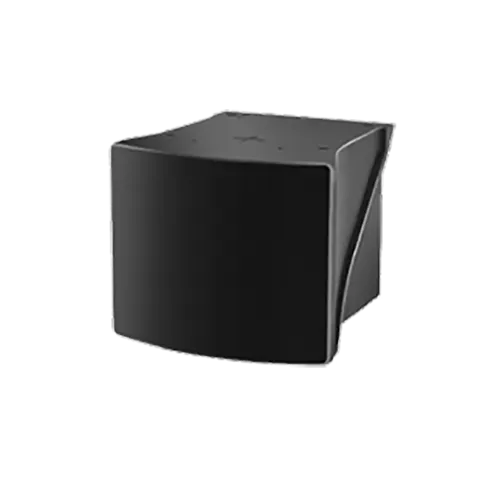
SEYOND Robin W Product Specs
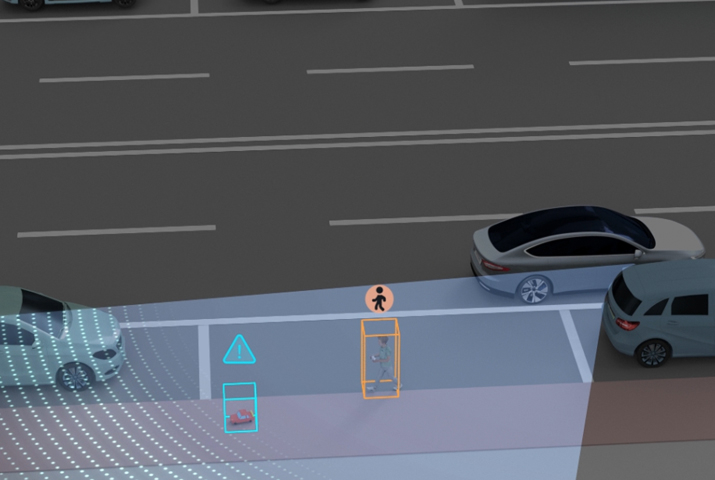
ULTRA WIDE FOV
Robin W lidar features an ultra-wide field of view (FOV) of 120°×70°, with broader side-view detection and no blind zones.
WIDE DETECTION RANGE
Seyond Robin W lidar detects up to 70 meters at 10% reflectivity which is twice the detection range of other side-view lidar, while maintaining a minimum range of down to 0.1 meters which keeps the blind zone at an absolute minimum.
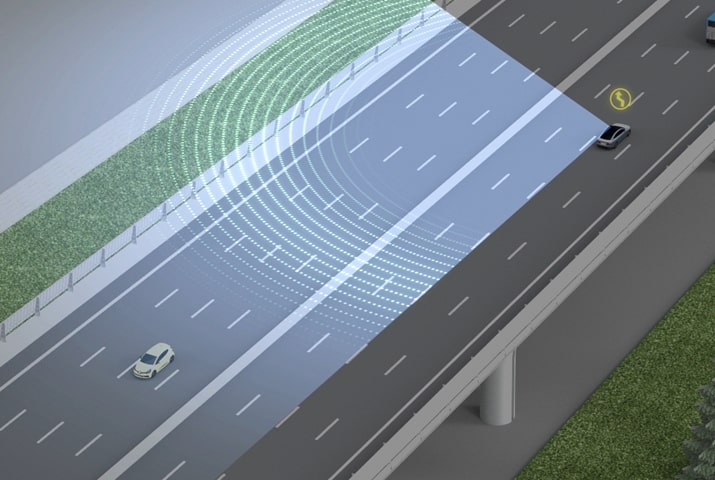
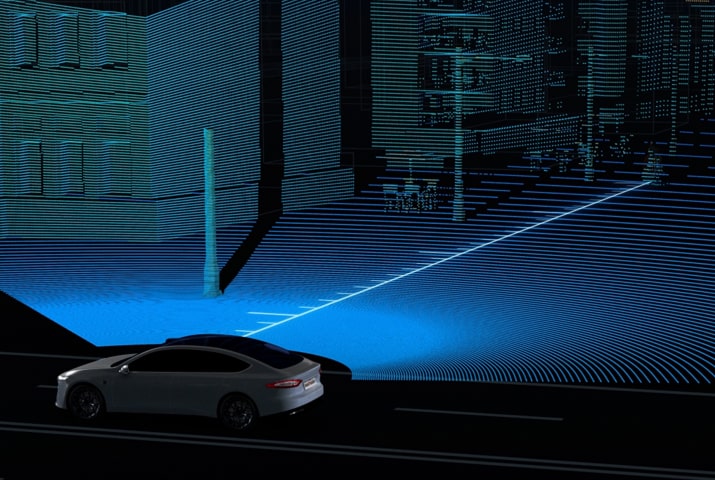
IMAGE-GRADE ULTRA-HIGH RESOLUTION
Robin W lidar can provide image-grade resolution up to 0.15°(H)×0.36°(V) and over 1.28 million points per second, which enables better perception planning control.
SEAMLESS DESIGN AND EXCEPTIONAL PERFORMANCE
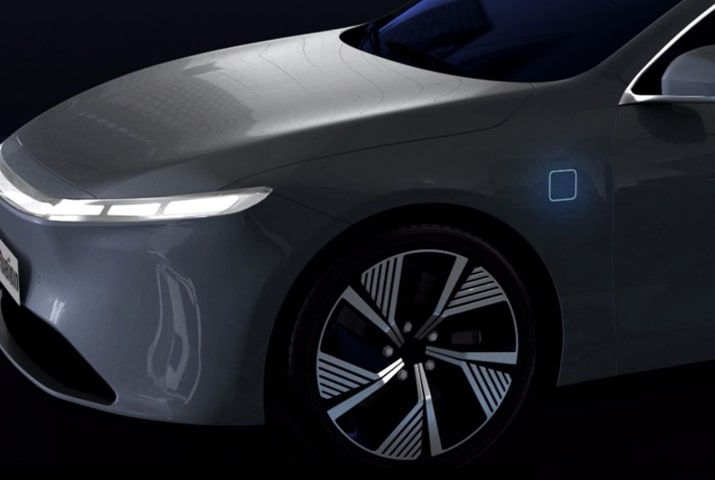
Robin W combines sleek design with high performance, fitting effortlessly into side wings, bumpers, and other application components. With just 6W of power consumption and advanced noise reduction, it’s both lightweight and energy-efficient, maximizing design flexibility for any vehicle.
Frequently Asked Questions
What is the SEYOND Robin W LiDAR used for?
The SEYOND Robin W is a wide FOV LiDAR designed for collision avoidance, blind spot monitoring, side view perception, robotics, vehicle integration, intersection monitoring, and pedestrian venue sensing. It is especially useful when a system needs broad near to mid range 3D awareness instead of narrow forward only detection.
Why is it suitable for collision avoidance?
A 120° x 70° ultra wide field of view, 0.1 m minimum detection distance, and 70 m detection at 10 percent reflectivity help vehicles, robots, and industrial systems detect nearby obstacles with fewer blind zones.
Is it good for blind spot monitoring?
Yes. Broad side view detection with the 120° horizontal and 70° vertical field of view enables reliable perception in vehicle side integration scenarios.
What is the detection range of the SEYOND Robin W?
The detection range is 0.1 m to 150 m, with 70 m detection at 10 percent reflectivity — useful for both close range blind spot coverage and mid range collision avoidance in vehicle, robotics, and infrastructure applications.
Why does the 0.1 m minimum range matter?
Collision avoidance systems need to detect objects extremely close to the vehicle or robot. Keeping the blind zone very small helps detect nearby pedestrians, pallets, curbs, low objects, and side obstacles before contact occurs.
What makes it useful for robotics?
Wide angle 3D perception, high point cloud density, short minimum detection distance, and low power draw support perception tasks such as terrain characterization, obstacle detection, and tracking on mobile robotic platforms.
Can it be used on AMRs, forklifts, and delivery robots?
Yes. It is relevant for AMRs, forklifts, delivery robots, and other mobile robots that need wide situational awareness in changing environments. The 120° x 70° field of view supports perception around shelves, pallets, people, and vehicle side zones.
Where can it be integrated on a vehicle?
It is designed for vehicle side panels and bumper style integration — useful for side collision detection, blind spot monitoring, lane change support, turning scenarios, and low speed maneuvering where side visibility is critical.
Is it suitable for intersections and pedestrian venues?
Yes. Wide angle monitoring at mid distance ranges — with the 120° x 70° field of view and up to 150 m detection — makes it useful for monitoring people, vehicles, and moving objects across broad public or transportation areas.
When should a team choose the SEYOND Robin W?
Choose the Robin W when you need wide angle collision avoidance, side view perception, blind spot monitoring, robotics obstacle detection, or infrastructure monitoring in a compact LiDAR package — most relevant when broad coverage and close range detection matter more than ultra long range forward sensing.