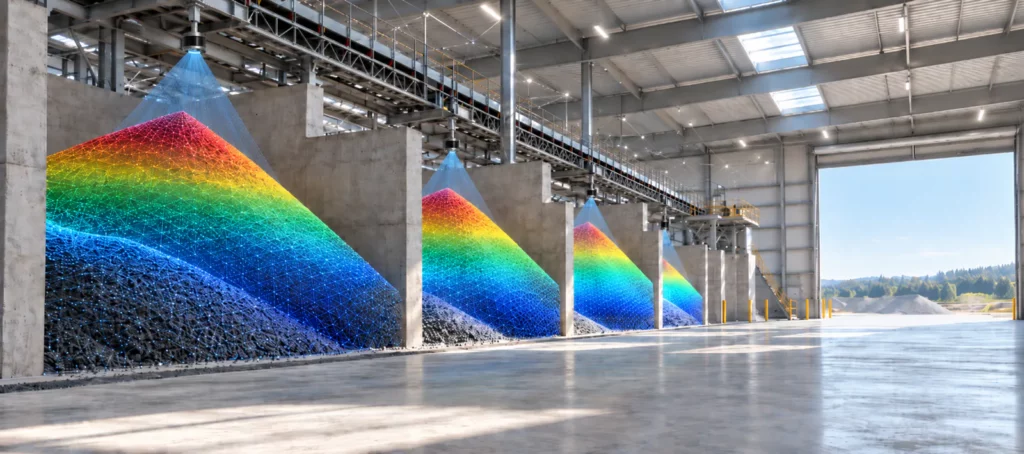
AI inventory management is only as good as the data it is fed. For bulk materials that data is a book value, so models learn the error. Measuring stockpiles with LiDAR gives forecasting a real input.
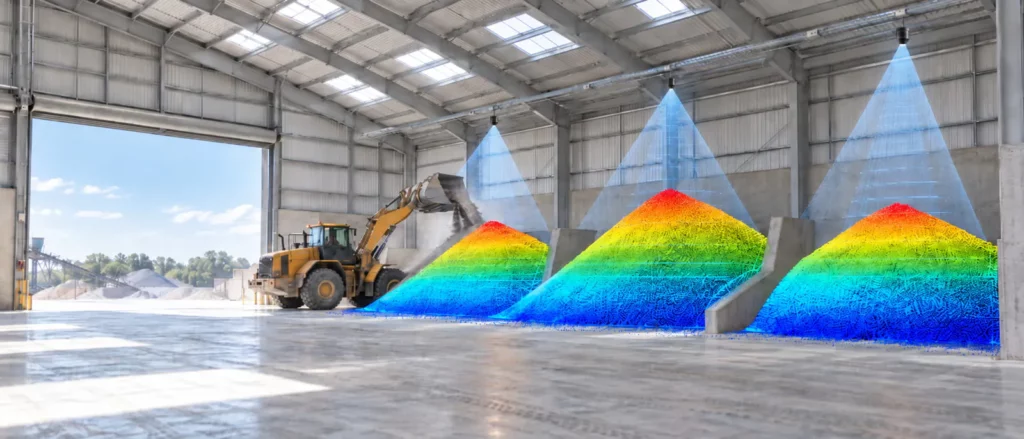
Supply chain autonomy depends on accurate inventory data, yet bulk materials are still tracked as book values corrected by monthly surveys. Measuring stockpiles with LiDAR turns that number into a measured value that ERP and SCADA can act on.
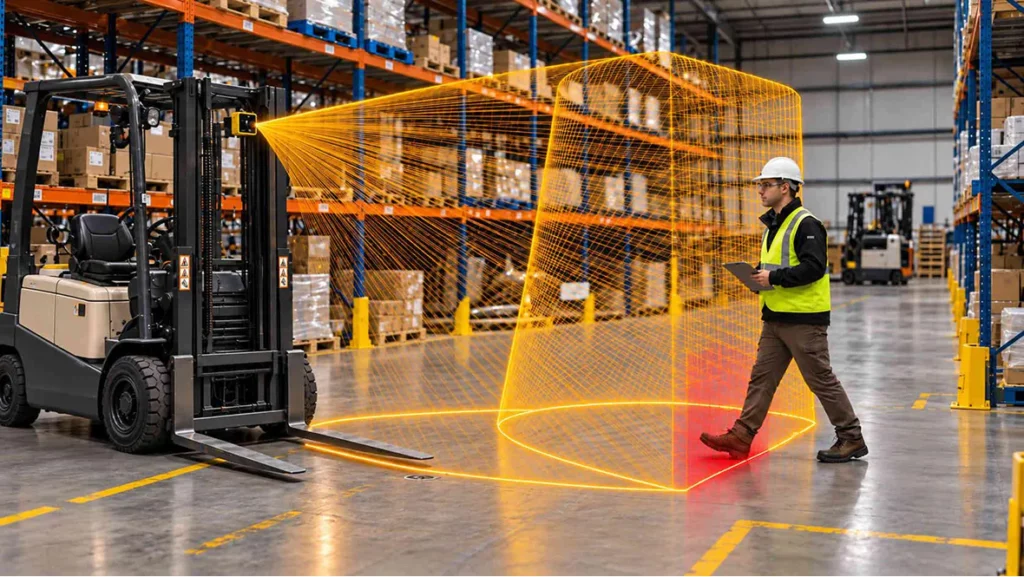
Standard 2D safety scanners protect a single flat plane, but industrial hazards operate in three dimensions. 3D safety-rated LiDAR monitors a volume, catching overhanging loads, raised forks and elevated robot motion that a floor-level scan can miss.
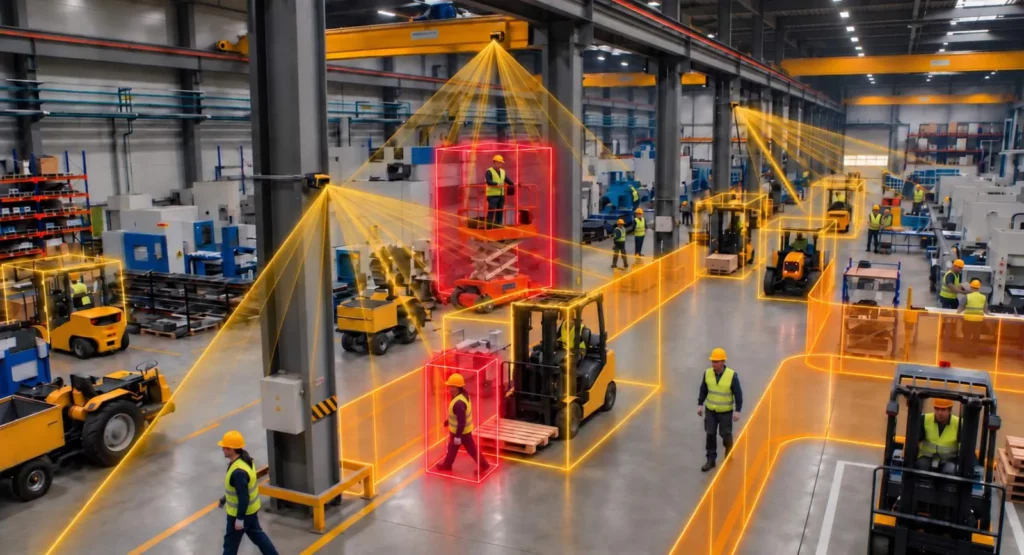
In facilities where machines work next to people, standard perception is not enough. Safety-rated LiDAR replaces silent failure with a certified fail-safe state: continuous self-diagnostics, hardwired stop signals, and ISO 13849 and IEC 61496 certification.
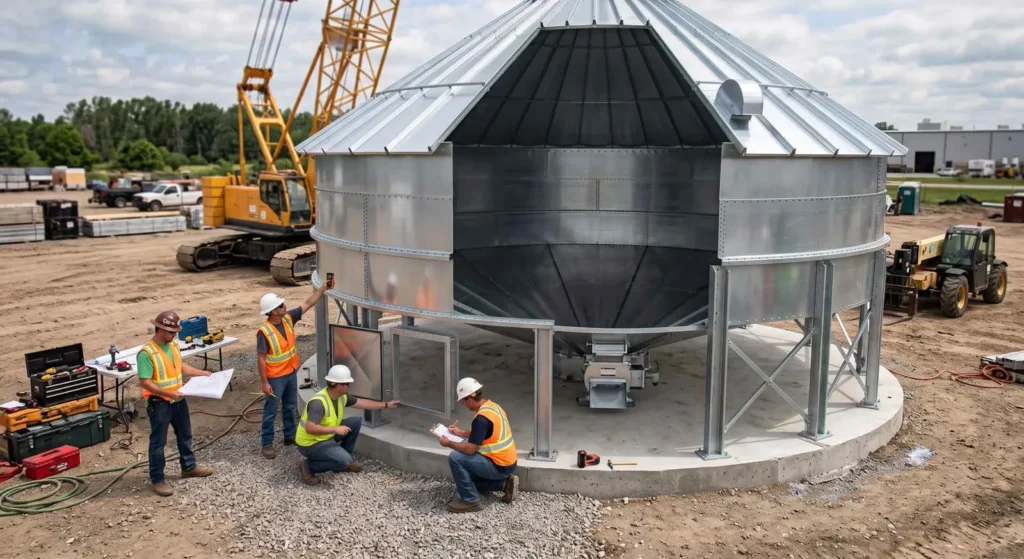
Two silo failures hide behind instruments that look like they are working: an arch across the outlet and a rathole down the middle. Volume and peak pile height, read together through one drawdown, tell them apart before production stops.
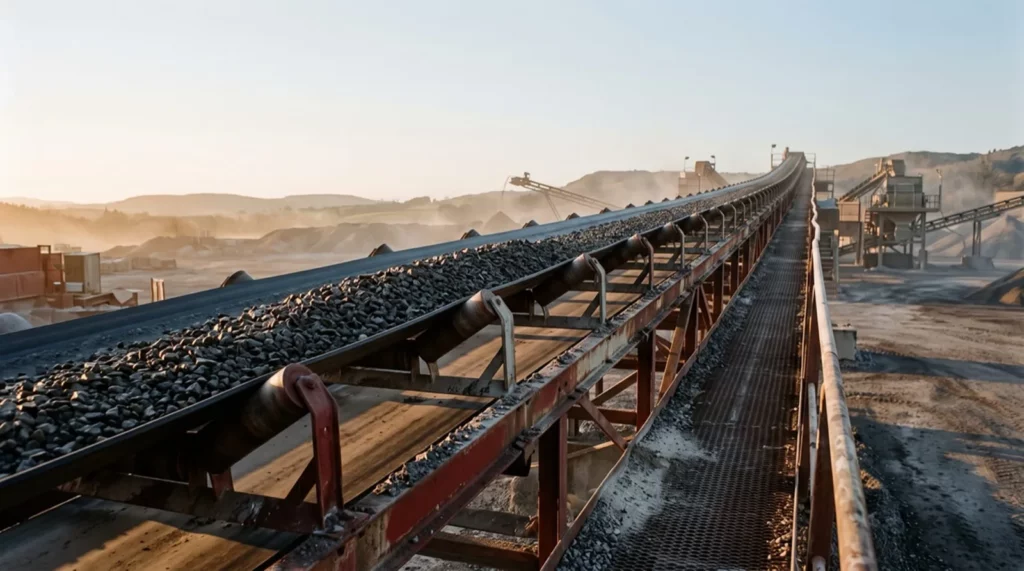
Somebody sweeps up under your conveyor. Maybe every shift, maybe every week, and the pile is always in roughly the same stretch of the run. Meanwhile the belt scale reports tonnage that looks fine, because from where that instrument sits, the tonnage is fine. A belt scale measures force on a weighbridge and integrates it […]