

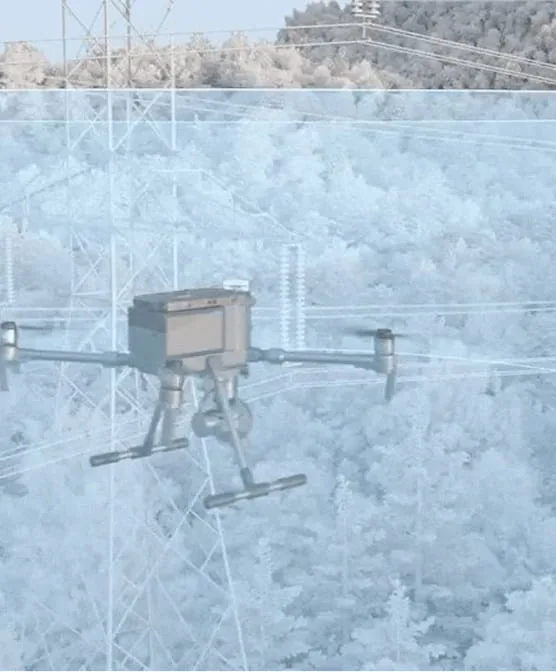
Drones & survey
Under 350 g with 150 m of reach — payload budget and coverage in the same sensor.
5 cm precision at up to 150 metres, 96 beams and 1.37 million points per second of point cloud density, in a lightweight lidar weighing under 350 grams.
END MARKETS
$1,699.00 – $1,818.00Price range: $1,699.00 through $1,818.00
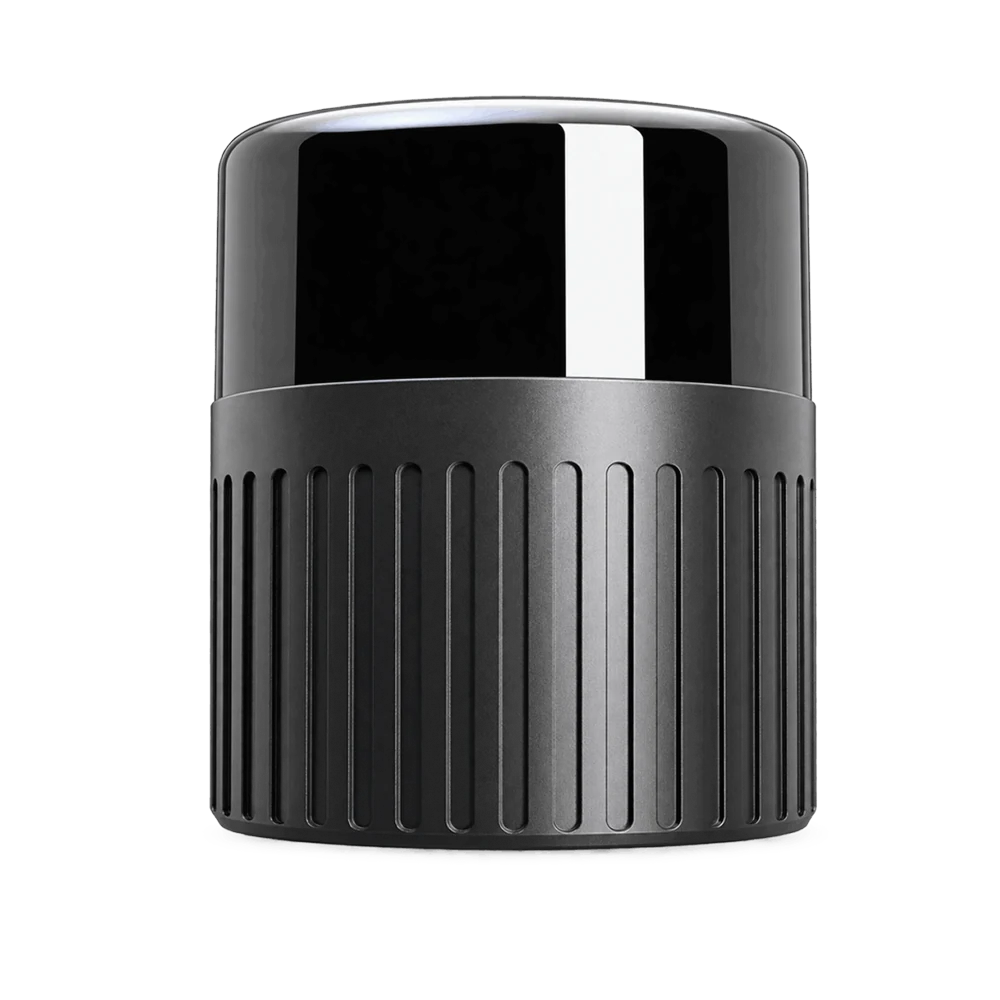
The Fairy is a high-precision digital LiDAR built for robotics, humanoids and other autonomous systems that require accurate mid-range perception.
With 5 cm precision, up to 96 beams and 1.37 million points per second, it generates dense, structured point cloud data for 3D mapping, navigation and obstacle avoidance.
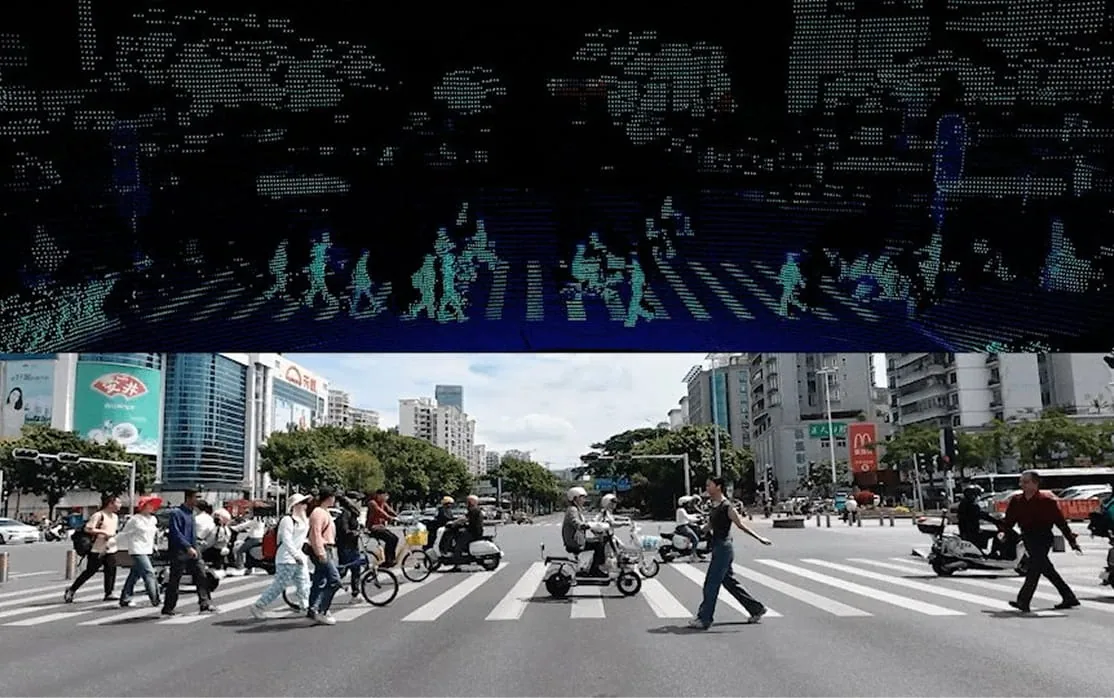
Three figures that decide whether a mid-range sensor fits the platform carrying it.
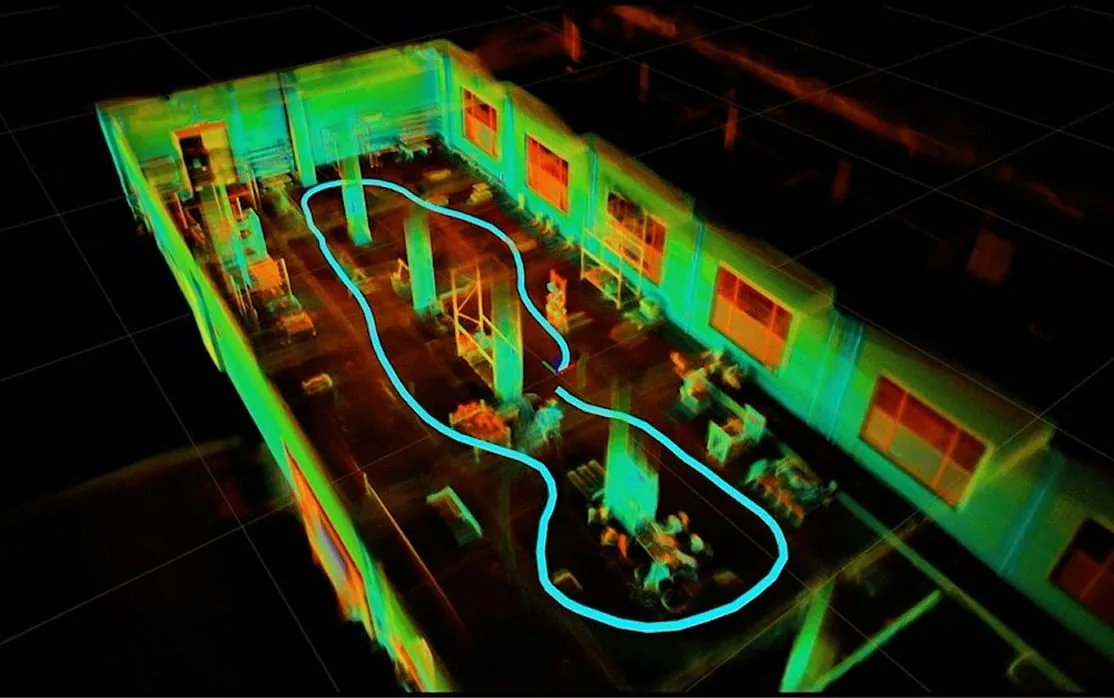
The Fairy delivers 0.5 cm ultra-high precision, giving robots sharper environmental perception for positioning, navigation and obstacle avoidance, and improving both operational efficiency and safety.
Precision at this level changes what survives the noise filter. A wall reads as a plane, a road surface as a plane, a kerb as a genuine step rather than a ripple — so the low, thin and flat features that a coarser sensor discards as noise stay in the map.
Measurement conditions: 30 °C outdoor temperature, 0.5–70 m range, 50% target reflectivity, averaged across channels 25 to 72.
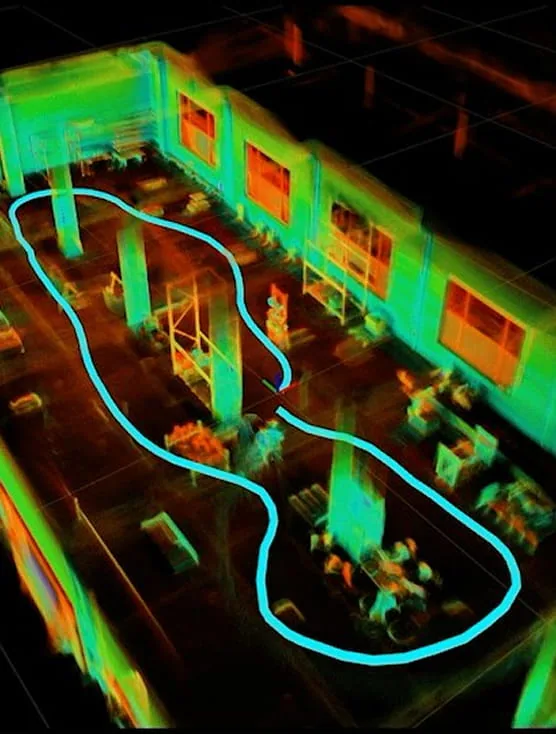
Fairy comes in two versions — 96-beam and 48-beam — at 1.37 million and 685,000 points per second respectively. Against a typical 32-beam mid-to-long-range LiDAR, the 96-beam Fairy offers roughly 170% higher point cloud density.
With an angular resolution of 0.25° × 0.33°, it detects dynamic and static small obstacles quickly, reconstructs 3D environmental data efficiently and gives collision avoidance enough returns to act on. Density is what decides whether a distant thin object — a cable, a fence wire, a cone — is a cluster or a stray point.
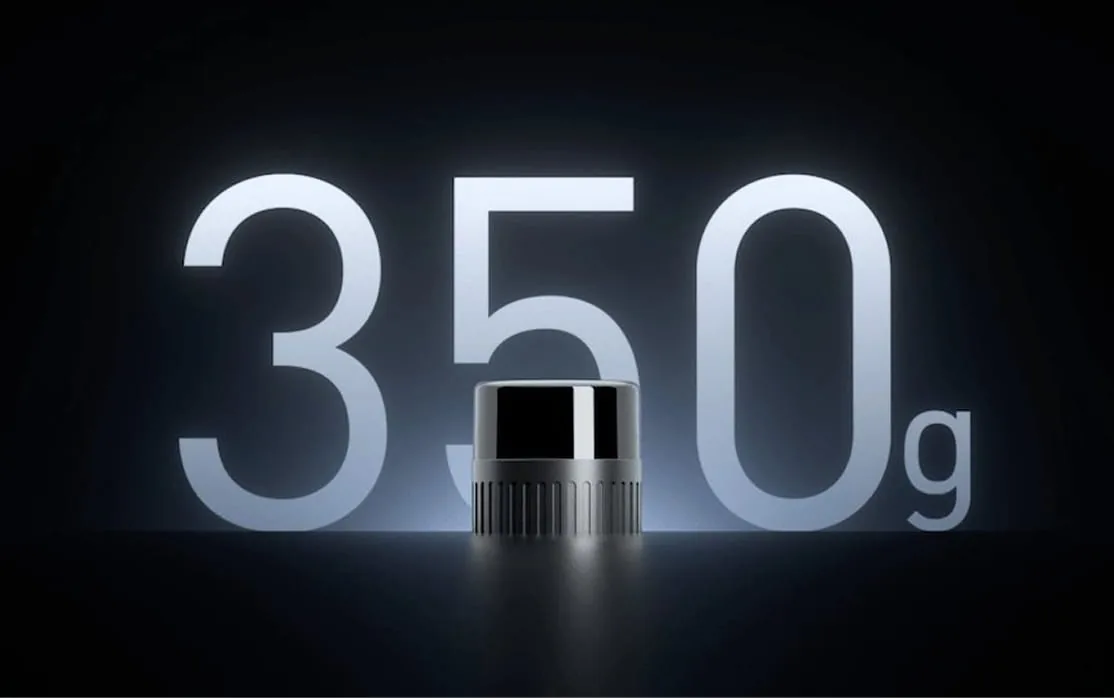
Fairy is the industry's lightest mid-to-long-range digital LiDAR: 75 Dia × 70 H mm and under 350 g. On handheld mapping devices, drones and mobile robots that is the difference between a sensor you can carry and one that dictates the airframe.
On an airborne platform every gram comes out of endurance directly. A 350-gram sensor with 150 m of reach and 5 cm precision fits payload budgets that a conventional survey LiDAR simply cannot.
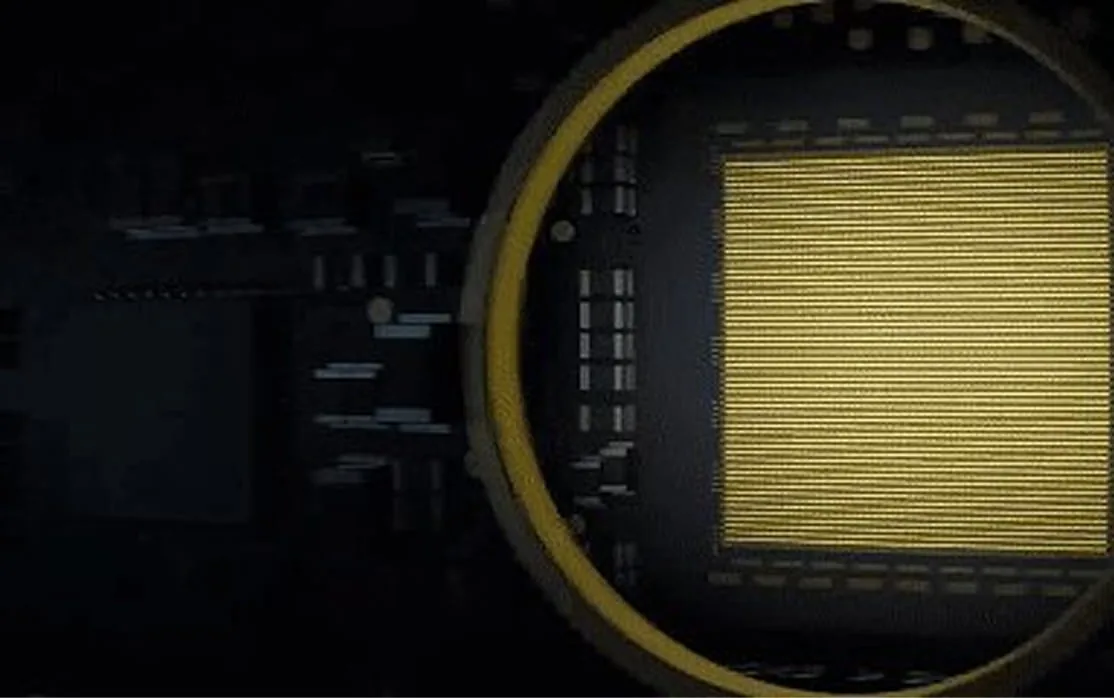
A next-generation VCSEL emitter and a high photon-detection-efficiency SPAD-SoC, rebuilding the LiDAR around a digital signal path.
Fairy integrates a next-generation VCSEL emitting chip with a high photon-detection-efficiency SPAD-SoC, reconstructing the sensor around a digital transmission and reception solution. With the link simplified, Fairy captures more complete and accurate point cloud data while reducing power consumption. Each analogue stage removed is information no longer lost between the returning photon and the output frame.
Restores shape and depth accurately, excelling on complex terrain and intricate structures.
Pedestrians, irregular vehicles, power lines, fences and cones — detected as they appear.
Real-time positioning that prevents re-localisation and keeps the robot on its planned path.
Active illumination holds performance at night, in strong light, in rain and in fog.
LiDAR-inertial odometry out of the box, with no separate inertial module to mount and align.
Where reach, precision and weight have to hold at the same time.
Under 350 g with 150 m of reach — payload budget and coverage in the same sensor.
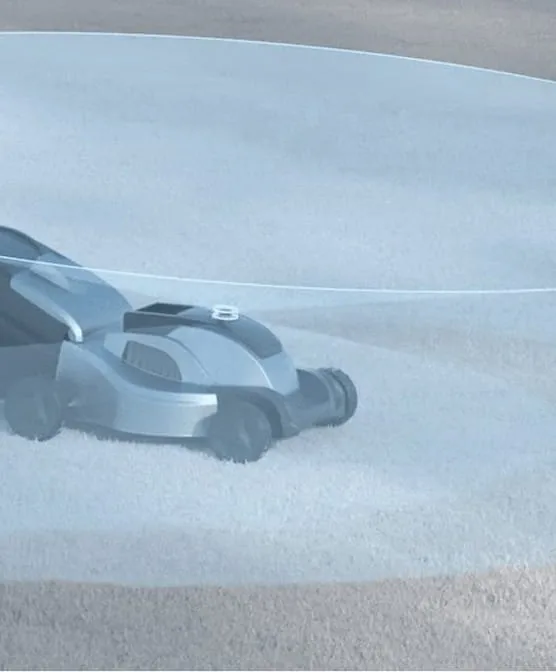
Boundaries, beds and garden obstacles resolved at half-centimetre precision.
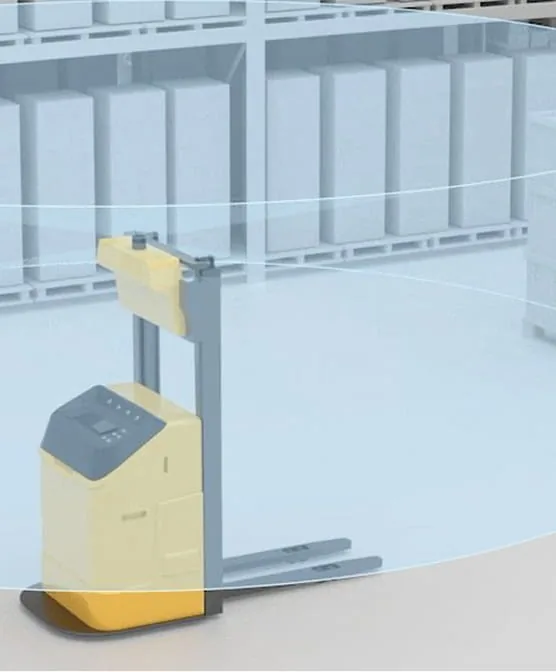
Pallet faces and racking geometry held precisely across a long aisle.
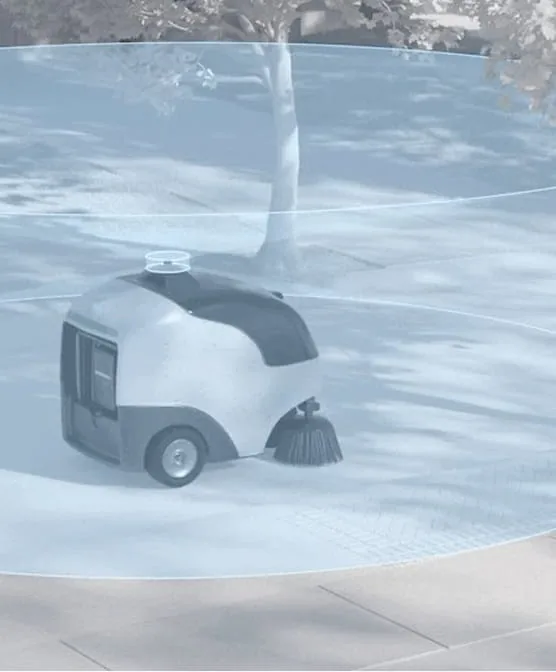
Large-area coverage with stable localisation and no re-localisation stalls.
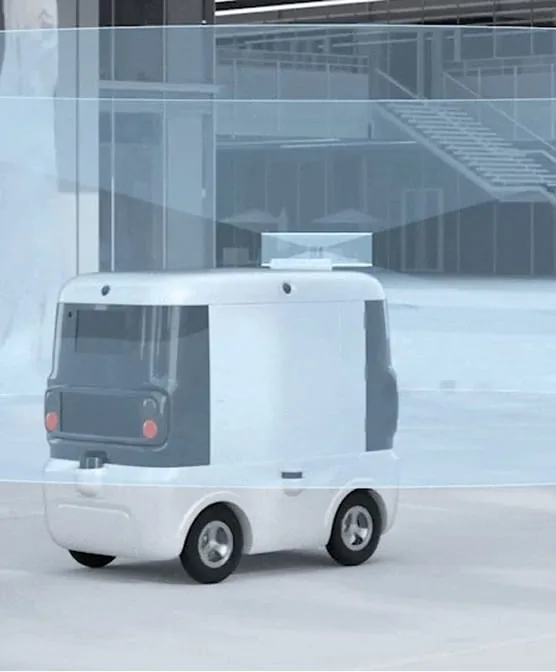
Kerbs, cones, pedestrians and traffic detected in time to plan rather than brake.
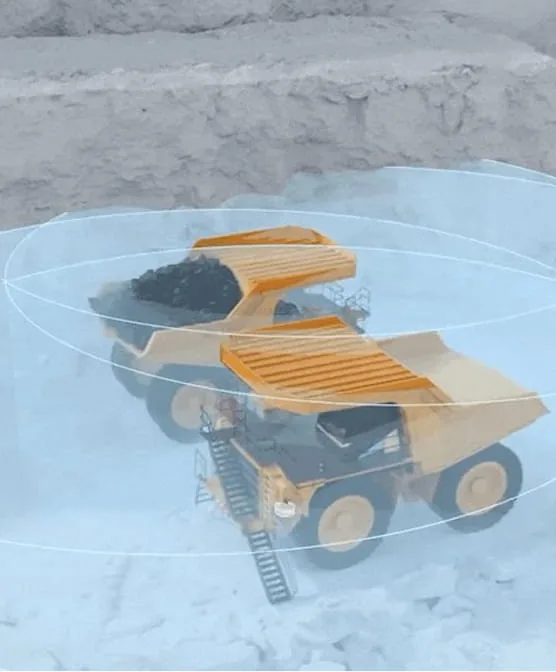
Haul road edges, berms and other machines in dust and low light.
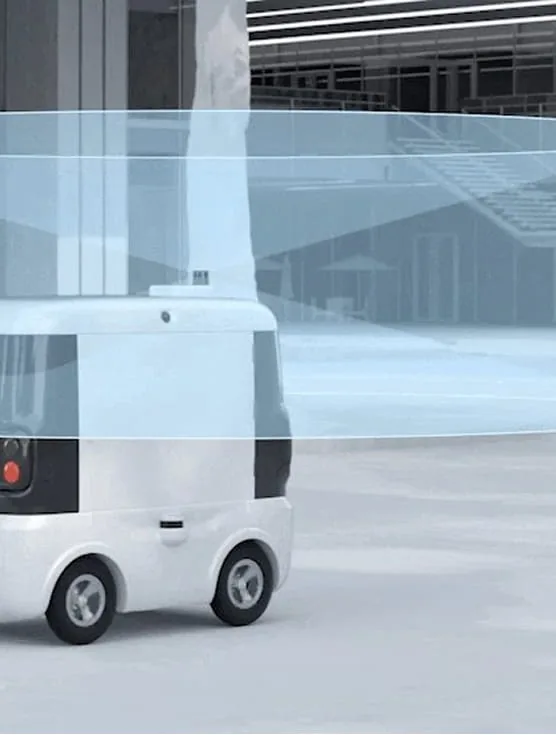
A 350 g body with an integrated IMU — a complete scanning head, carried by hand.
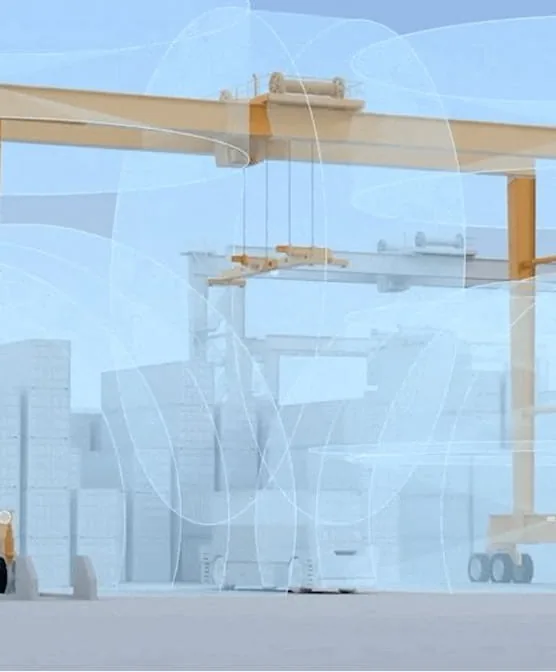
150 m of range across a container yard, unaffected by floodlighting or darkness.
As published by RoboSense. Parameters not disclosed publicly are marked “—”; contact us for the controlled datasheet under NDA.
The 0.5 cm figure is measured at 30 °C outdoor temperature, over a 0.5–70 m range, against a 50% reflectivity target, averaged across channels 25 to 72. Precision varies with range, target reflectivity and temperature.
RoboSense notes that a version of up to 192 beams is available. Ask us which configurations are currently orderable for your volume and lead time.
Published parameters are typical values obtained under specific test conditions. Actual performance varies reasonably with batch, version and operating environment; the factory inspection certificate is the definitive standard.
Specifications are subject to change. Please confirm against the current RoboSense datasheet before design-in.
GET IN TOUCH
One of our experts will be communicating with you shortly. We are committed to understanding your application and providing support, tailored to your specific requirements.
Receive Quote
One of our experts will be communicating with you shortly. We are committed to understanding your application and providing support, tailored to your specific requirements.