

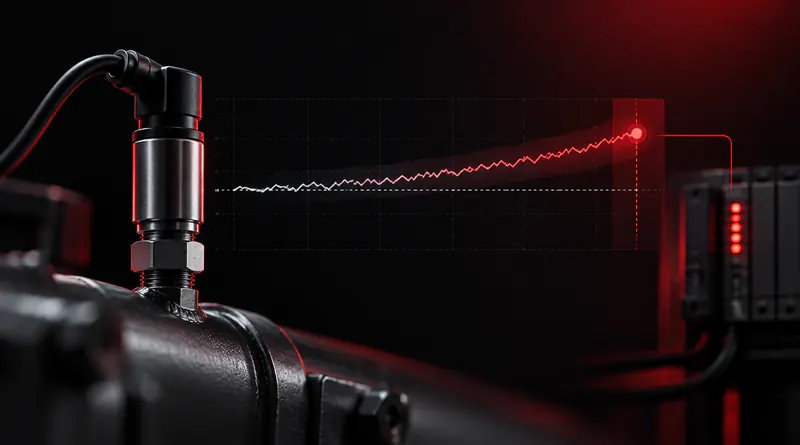
A sensor that drifts
Readings wander slowly until the controller acts on bad data. Without cross-checks, nobody notices until something goes wrong.
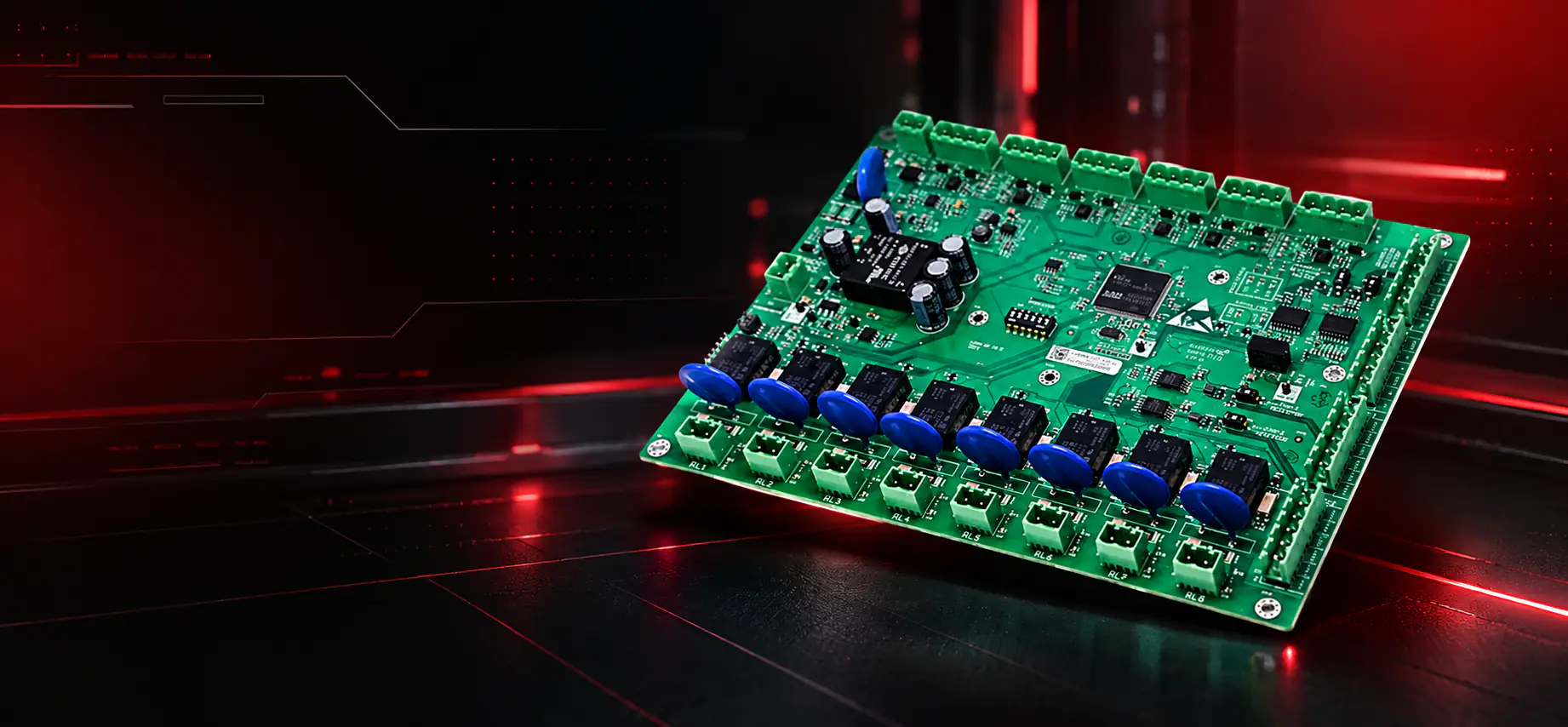
Functional Safety & Failsafe Electronics
When a sensor drifts, a supply browns out or a processor hangs, your system has to land in a known, safe state every time. CRATUS designs the redundant hardware, defensive firmware, diagnostics software and AI health monitoring that make that happen, and produces the evidence your assessor will ask for.
The challenge
Most incidents start with something small that nobody designed for. A failsafe system is built for exactly those moments.
Readings wander slowly until the controller acts on bad data. Without cross-checks, nobody notices until something goes wrong.
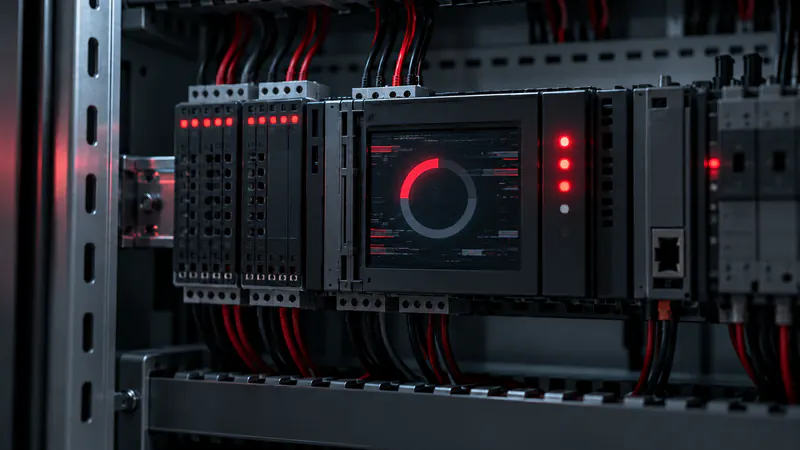
One firmware defect can freeze the control loop. If the shutdown path depends on the same processor, nothing reaches a safe state.
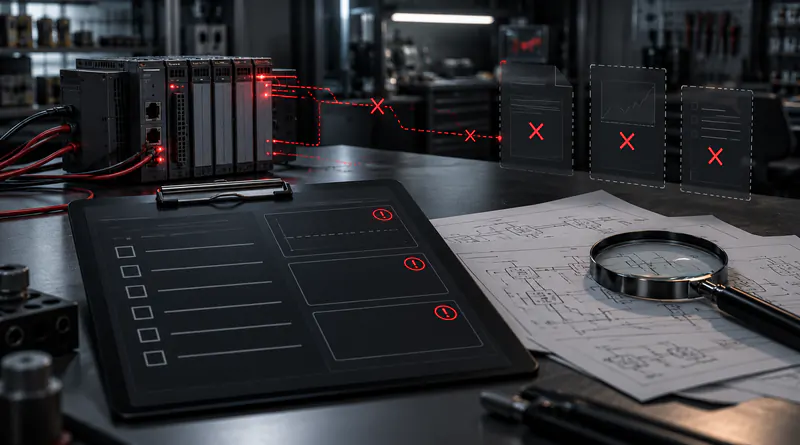
Assessors ask how you know the system is safe. Without traceability and fault-injection results, the answer is a guess.
CRATUS closes these gaps at every layer — hardware, firmware, software and AI, engineered by one team.
See our approachOur approach
A failsafe design is only as strong as its weakest layer. Our hardware, firmware, software and AI engineers work as one team, so diagnostics, reaction times and safe states are designed together, not added at the end.
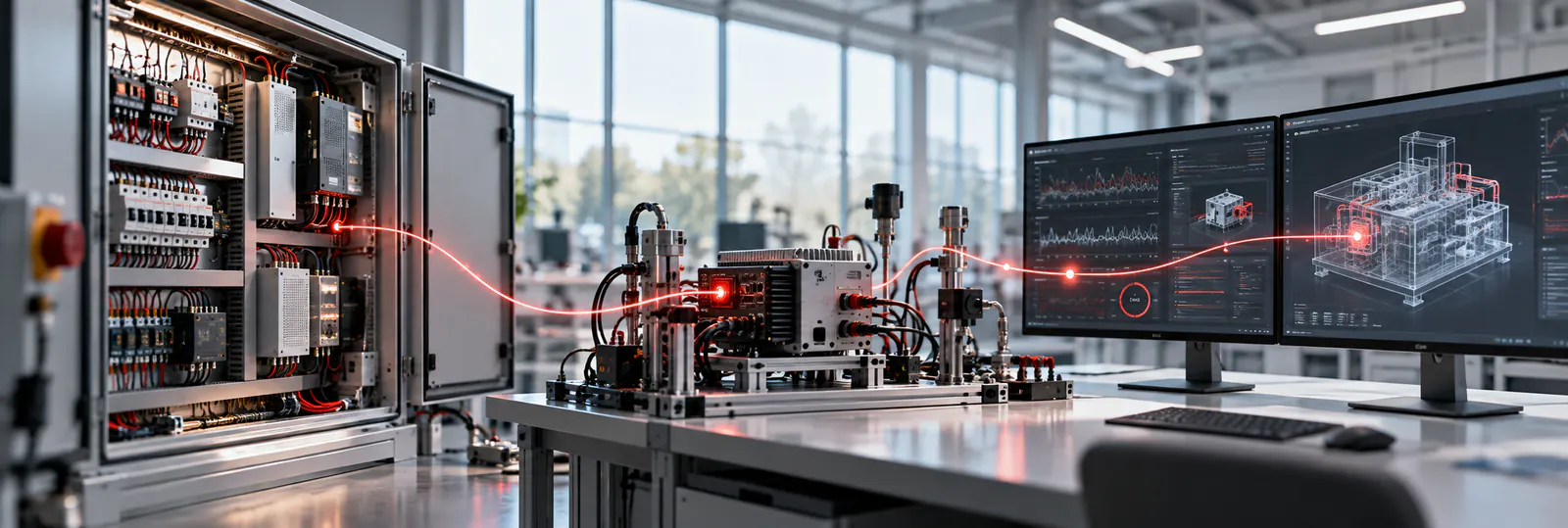
Dual-channel and diverse-redundant architectures, hardware comparators and independent trip paths, galvanic isolation, supervised power rails, hold-up energy for orderly shutdown, and electronic protection that reacts far faster than thermal-magnetic breakers.
Deterministic, defensive firmware: explicit safe-state machines, windowed watchdogs, program-flow monitoring, start-up and periodic RAM, flash and CPU self-tests, and CRC- and counter-protected messaging with measured fault-reaction times.
Commissioning and configuration tools with protected safety parameters, time-stamped fault and event logs, diagnostic dashboards, signed updates, and integration with your SCADA or cloud.
AI runs beside the safety function, never inside it. Edge and cloud models learn normal current, voltage and thermal signatures to predict failures, flag drift and cut nuisance trips. Deterministic logic always keeps the final say.
What we execute
Take the one piece you need, or hand us the whole safety system.
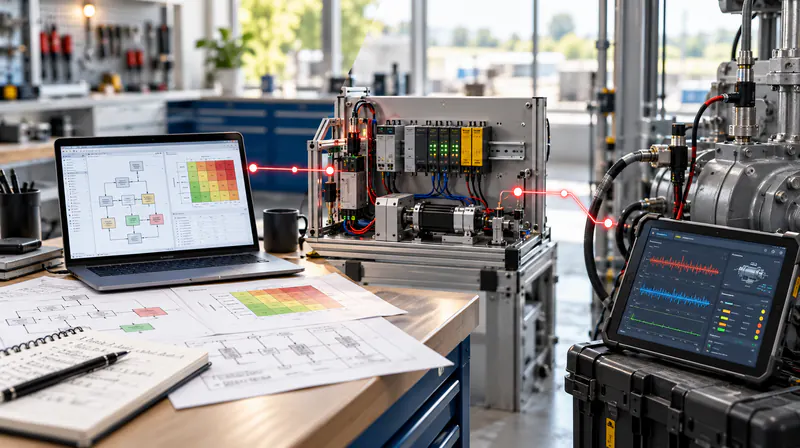
Hazard and risk analysis support, FMEA and FMEDA inputs, SIL / PL / ASIL targets, requirements traceability, hardware-in-the-loop rigs and fault-injection campaigns that measure real fault-reaction times, all packaged for your assessor.
Hardware · Firmware · Software
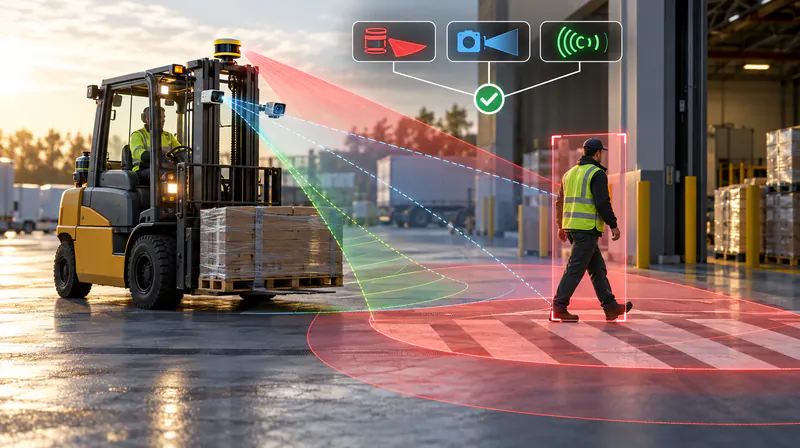
1oo2 and 2oo3 voting, cross-checked sensor channels, plausibility and range checks, and integration of safety-rated LiDAR for people and vehicle detection zones.
Hardware · Firmware
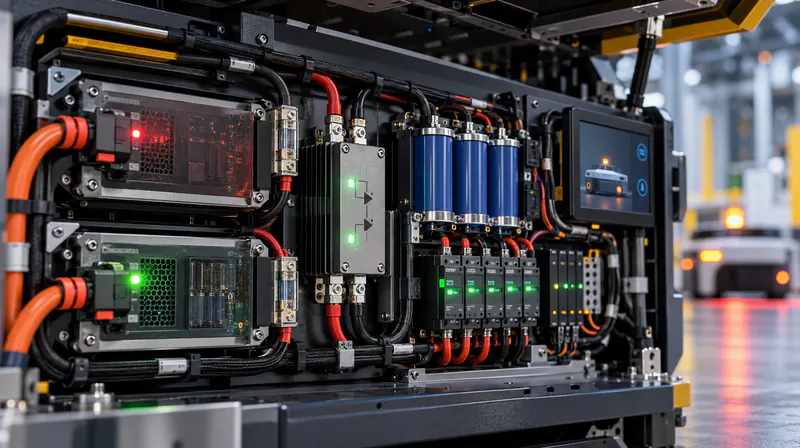
De-energize-to-trip design, supervised rails, brown-out detection, hold-up energy for safe parking, ideal-diode ORing of redundant supplies and programmable electronic circuit breakers.
Hardware · Firmware
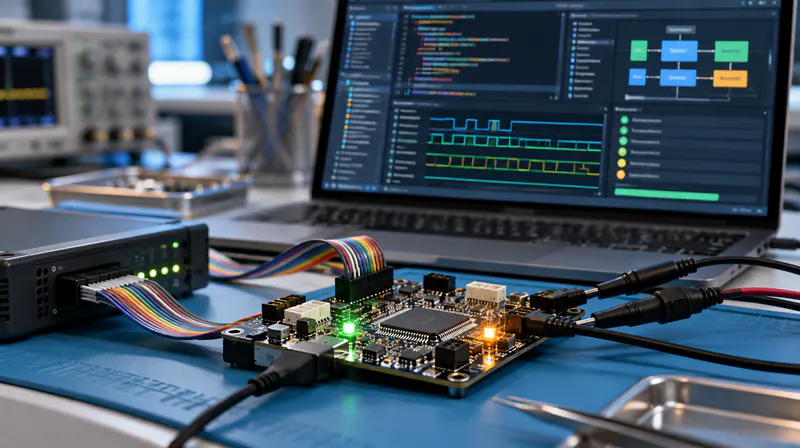
MISRA C, static analysis, MPU partitioning, no dynamic memory after start-up, IEC 60730 Class B style self-tests, safe and degraded operating modes, and deterministic scheduling.
Firmware
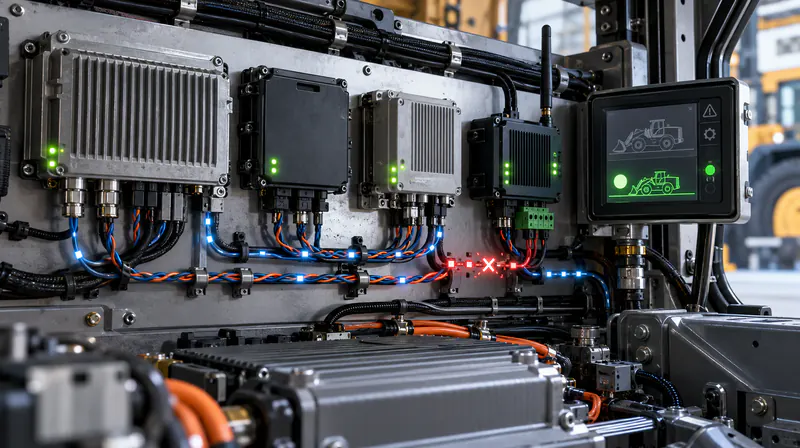
Black-channel messaging over CAN, CAN FD, RS-485 or wireless links. CRC, sequence counters, heartbeats and timeouts drive a safe state whenever data is corrupted or goes stale.
Firmware · Software
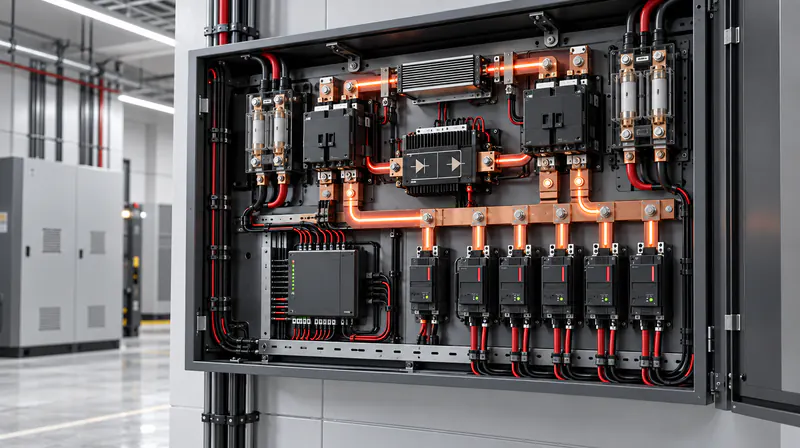
Edge models on current, voltage, temperature and trip history detect degradation before it causes a trip, and fleet analytics turn fault logs into maintenance actions.
AI · Software
Load Managers, Load Monitors in a Failsafe System.
LOMA Load Managers bring electronic circuit breaker (ECB) technology to power distribution: programmable trip behavior, per-channel monitoring and remote control over MODBUS, J1939, CANopen or proprietary Wireless CAN. In a failsafe design they become the fast, observable protection and power-management layer.
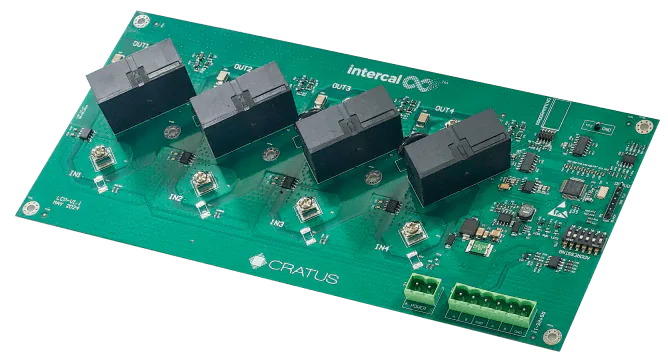
AI-Enabled Electronic Circuit Breaker
Replaces thermal-magnetic breakers that need a manual reset with programmable trips and load-shedding priorities; per-channel current data feeds fault diagnostics and AI models.
Product details for ICL8-LC574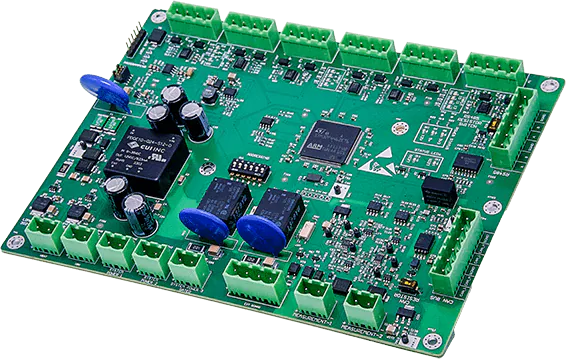
Isolated DC Power Controller
Keeps safety-critical DC loads powered through a supply failure: integrated ideal diodes hand off between primary and backup sources without a dropout, and remote reset aids recovery.
Product details for ICL8-PC548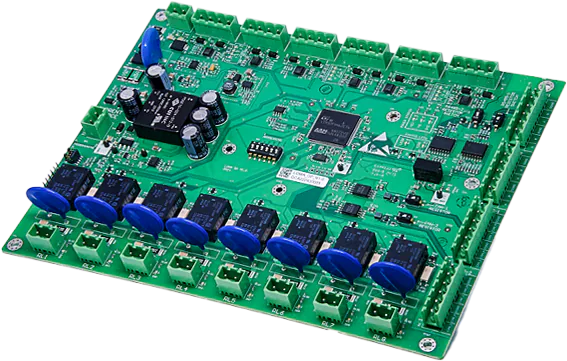
General-Purpose Load Controller
Drives indicators, locks and contactor banks with resilient, algorithmic switching, the role it was designed for in sensitive medical, industrial, automotive and defense systems.
Product details for ICL8-GP515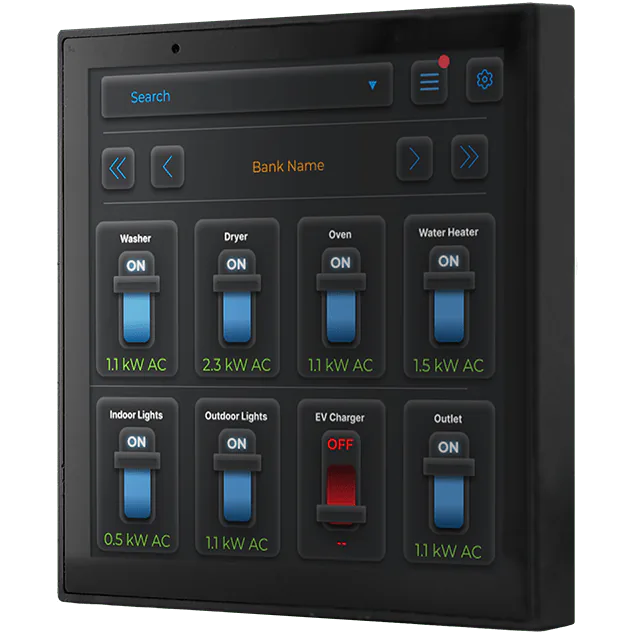
Multifunction Display & System Controller
Gives operators one panel for every channel: status, alarms, manual override and algorithmic control of the LOMA LC, GP and PC classes.
Product details for ICL8-EB104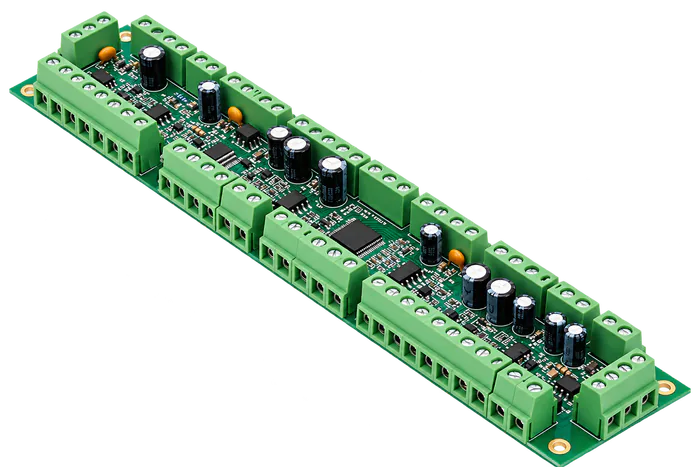
AI-Enabled 16-Channel Temperature Transmitter
Watches up to 16 thermal points and uses on-device AI to warn of overheating before a protection limit is reached.
Product details for ICL8-TM116Where LOMA fits in a safety design. LOMA provides fast, programmable protection and rich diagnostics. When your risk assessment calls for a SIL- or PL-rated safety function, we pair LOMA with a dedicated safety channel and document how the two interact. Ask us for current LOMA documentation and ratings.
AI built in
Manage LOMA hardware in plain language: ask for channel status, or set a rule such as “shed non-critical loads when consumption crosses a threshold.” In safety-related designs we bound these rules so the assistant can request a safe action but never inhibit one.
Contact UsShed non-critical loads if total current goes above 30 A.
Done. Channels 3 and 4 are marked non-critical and will shed first above 30 A. Safety-related channels are excluded from this rule.
How we work
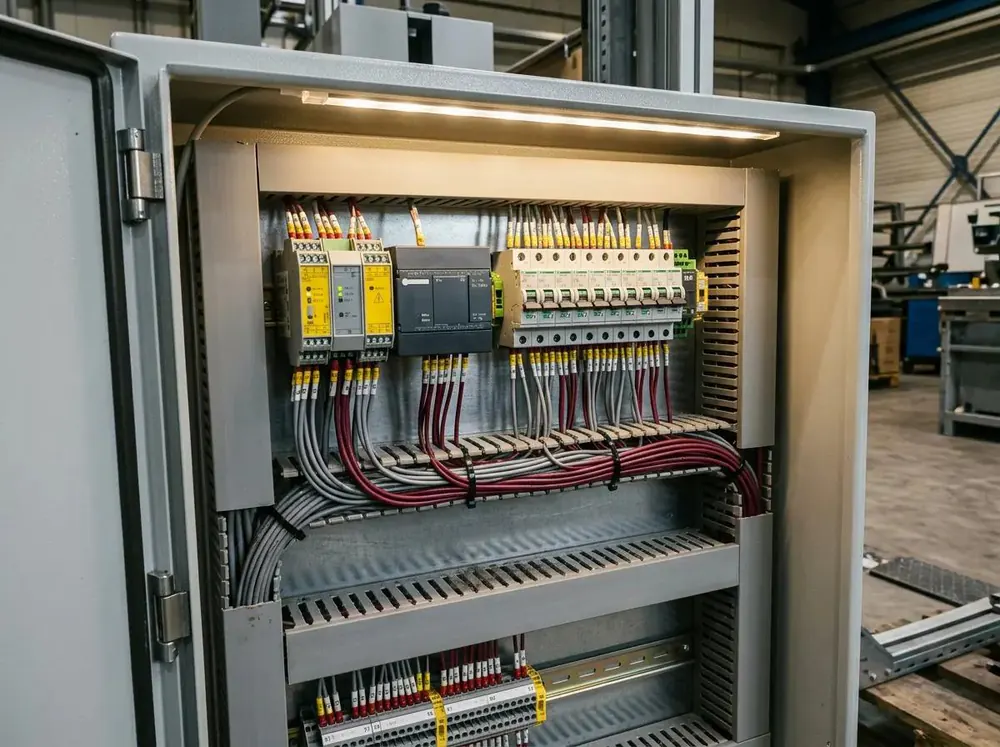
CRATUS works as a Team-in-a-Box. Hardware and firmware are built together, so timing is optimized, latency is lower and iterations are faster, with no hand-off delays between vendors.
Requirements, constraints, target standards and success metrics captured on one page you sign off.
Partition hardware, firmware, software and AI; pick key components; review risk and BOM cost early.
Schematics, PCB layout, firmware bring-up and first working units, designed with the mechanics in mind.
Bench, hardware-in-the-loop, fault-injection, environmental and EMC pre-compliance testing, with reports you can hand to a lab.
DFM/DFT, test fixtures, pilot builds, production support, over-the-air updates and lifecycle engineering.
Standards we engineer to
We design, document and test to the intent of the functional-safety standards that govern your product, and prepare the work products a certification body expects to see.
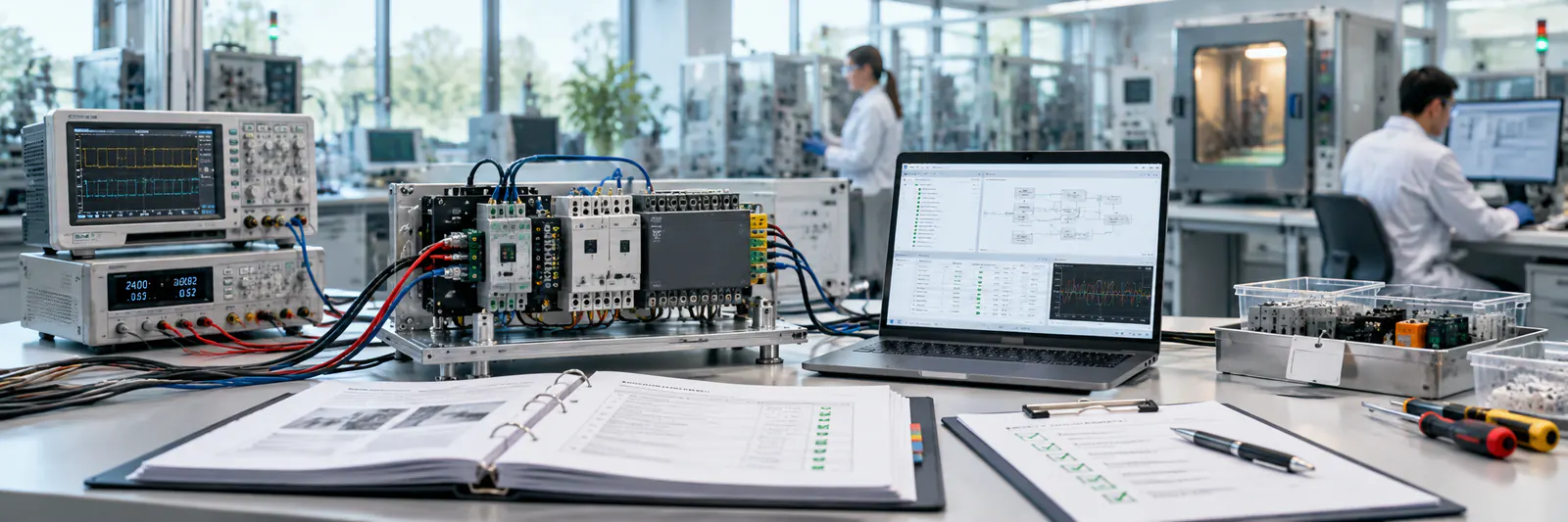
Certification is issued by accredited third parties such as TÜV, UL or exida. CRATUS engineers, documents and pre-tests to the standard and supports your assessment; we don’t self-certify.
FAQ
The questions engineering and product teams ask us most about failsafe design, across hardware, firmware, software and AI.
Still have a question? An engineer will answer it directly.
Ask an engineerIt means every credible fault drives the system into a predefined safe state, through a path that does not depend on the part that failed. That covers loss of power, a communication timeout, two sensors that disagree and a hung processor. We define the safe state for each hazard up front (usually de-energized, sometimes a controlled stop or a held position). Then we design hardware, firmware and software to reach it within a fault-reaction time we measure on the bench.
Certification is issued by accredited third parties such as TÜV, UL or exida, and no design house can self-certify. We engineer to the standard from day one and produce the work products the assessor reviews: safety plan inputs, safety requirements, architecture rationale, FMEDA inputs, traceability matrices and test reports. Then we support you through the assessment and any findings.
Often, yes. We start with a gap assessment against your target standard. Then we propose the smallest set of changes that closes the gaps, such as an independent supervisor MCU, an added hardware trip path, electronic circuit breakers in place of mechanical ones, watchdog and self-test firmware, or protected messaging on an existing bus.
Redundancy (two identical channels) covers random hardware failures. Diversity also protects against common-cause and systematic faults that would take out identical channels together. It means different sensing principles, different processors, or a hardware comparator alongside firmware. The right mix follows from your SIL or PL target, the diagnostic coverage required and cost. A common pattern is a cross-monitored 1oo2 architecture plus an independent hardware shutdown path.
It is a hardware route (a comparator, discrete logic or a separately supervised controller) that can remove energy from the hazard even if the main processor is frozen. For example, it can open a contactor, disable a gate driver or drop a spring-applied brake. Because it shares no firmware with the main controller, a single software defect cannot prevent the safe state.
We supervise every rail for under- and over-voltage, add hold-up energy so firmware can log the event and park safely, and protect inputs against reverse polarity, surge and transients. For redundant supplies we use ideal-diode ORing, the approach built into the INTERCAL8 ICL8-PC548. For distribution we use electronic circuit breakers with programmable trip limits instead of fuses that must be replaced.
Yes. In a safety product, immunity is a safety requirement. We design for EMC from the schematic and PCB stack-up onward and run pre-compliance testing during development. We also confirm the system fails safe rather than misbehaving under ESD, EFT and surge, all before you book an accredited lab.
Discipline and evidence. We write to MISRA C, run static analysis on every build, avoid dynamic memory after initialization, partition with the MPU, monitor program flow, use windowed watchdogs, and run start-up and periodic RAM, flash and CPU self-tests in the style of IEC 60730 Class B. Critical variables are stored redundantly and checked before use, and every requirement traces to a test.
When the integrity target calls for them. Options include lockstep-core MCUs with ECC memory and vendor safety manuals, and pre-certified RTOS kernels. A simple, fully analyzable bare-metal scheduler is sometimes easier to justify. We choose based on your SIL, PL or ASIL target, cost and the evidence the assessor will want.
We use the black-channel principle. Every safety-relevant message carries a CRC, a sequence counter and a freshness deadline. The receiver drives its safe state on corrupted, repeated, out-of-order or stale data. That lets the transport (CAN, CAN FD, RS-485 or even a wireless link) stay a standard bus with no safety rating of its own.
Images are signed and verified before boot, stored in A/B partitions with automatic rollback, and only applied when the system is in a safe state. Safety parameters are CRC-protected and version-locked to the firmware, and every update is logged.
Typically a commissioning and configuration tool with protected safety parameters, an operator HMI, time-stamped fault and event logs, and a diagnostics dashboard, either on-premises or in the cloud. We integrate with SCADA and plant systems over MODBUS, OPC UA or MQTT.
We trace every hazard to a requirement, a design element and a test. Then we run tests that try to break the design: hardware-in-the-loop rigs, unplugged and shorted sensors, corrupted and delayed messages, browned-out supplies and deliberately hung processors. We measure each fault-reaction time and record it as evidence.
In monitoring and maintenance, not in the safety function itself. The safety function stays deterministic, analyzable and verifiable. AI watches the trends around it (current signatures, temperatures, vibration and trip history) to predict failures, flag drifting sensors and schedule maintenance. It can request a safe action, but it can never block one.
Yes. Models learn what normal inrush, start-up and load profiles look like, classify why each trip happened, and recommend threshold changes within validated limits. The hard protection limits stay fixed in hardware and firmware, and AI improves availability around them.
A natural-language interface to INTERCAL8 power-control hardware. Operators can ask for status, balance a system or set rules without writing code, for example to shed non-critical loads when consumption crosses a threshold. In safety-related designs we limit the assistant to non-safety functions.
LOMA electronic circuit breakers give you fast programmable protection, remote reset and rich per-channel diagnostics, all valuable in a failsafe design. Whether a given LOMA product can carry a safety function on its own depends on the rating your application needs. Where a SIL- or PL-rated function is required, we pair LOMA with a dedicated safety channel. Contact us for current product documentation.
Through standard industrial protocols (MODBUS, J1939 and CANopen) or INTERCAL8’s proprietary Wireless CAN. Rule-based control can come from SCADA, the ICL8-EB104 panel controller or an edge-AI controller.
Send us a message through our contact form with what you’re building, where it will operate and your timeline. We’ll schedule a technical discovery call, then send a scoped, phased proposal, so you can begin with an architecture study or prototype and commit to production later.
Yes. We can own the whole system as a Team-in-a-Box, or take a defined piece (the power stage, the firmware, the cloud pipeline, the AI model) and work inside your repositories, toolchains and design reviews.
Yes. We carry designs from prototype through DFM and DFT reviews, test-fixture and end-of-line test development, pilot builds and full-scale production support.
Talk to a CRATUS engineer
Send us your hazard list, your target standard or just the problem. A CRATUS engineer will reply with questions, a proposed architecture and a phased plan.
Contact UsKeep exploring
Talk to our team about your facility, and let’s design a system that fits your risks and goals.
Request a Solution BriefInterested ?
We would be pleased to send you detailed information about our products or services.
Simply enter your details in the contact form below and we will get in touch with shortly.
CRATUS respects your personal information and keeps it safe. By sending this form, you consent to allow CRATUS to store and process your personal information as stated in our Privacy Policy.
GET IN TOUCH
One of our experts will be communicating with you shortly. We are committed to understanding your application and providing support, tailored to your specific requirements.