


Legacy equipment
Machines that have run for decades still work, but they share no data with the people who need it.

Industrial & Sensor Integration Electronics
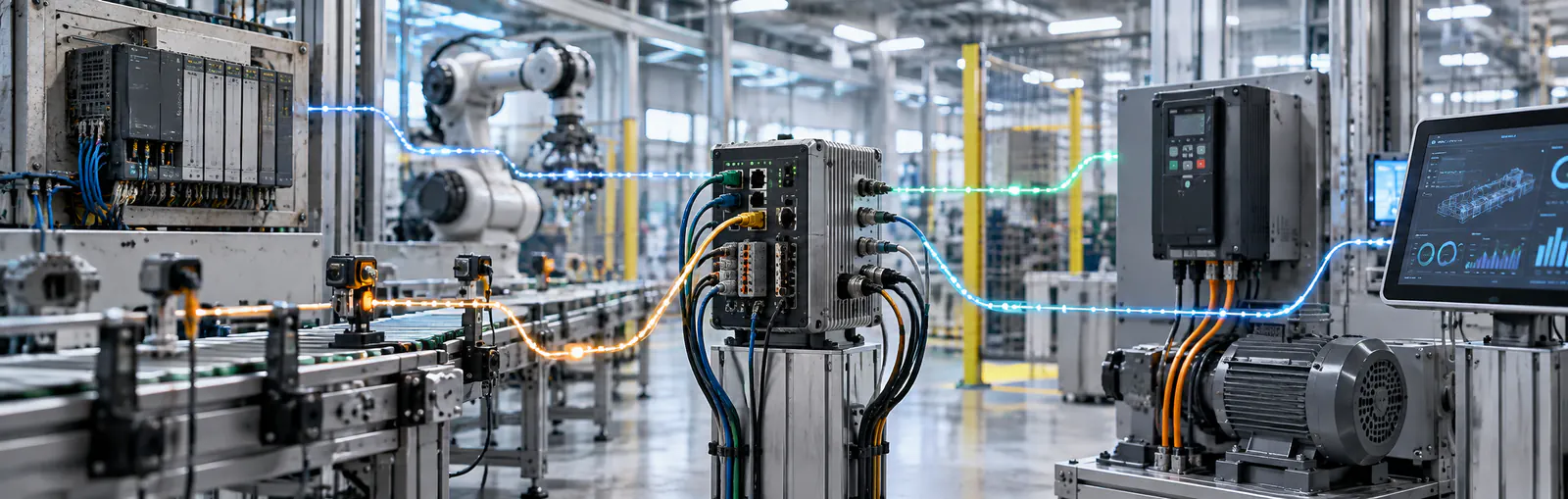
CRATUS designs the rugged analog front ends, isolated I/O, gateways, wireless networks and edge-AI software that bring new instruments and decades-old machines onto one connected platform, and make the data useful as soon as it arrives.
You can't control what you can't sense
The challenge
The information you need to run a plant better usually exists already. It just never makes it out of the equipment.
Machines that have run for decades still work, but they share no data with the people who need it.
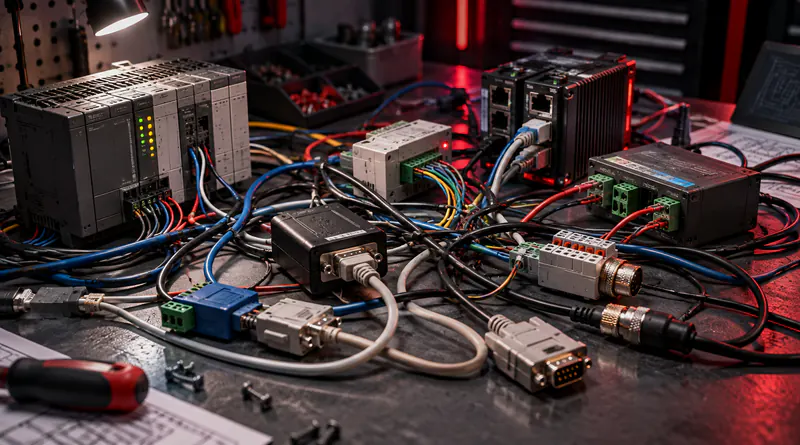
MODBUS here, CAN there, a proprietary serial link somewhere else. Every integration turns into a custom project.

Noisy, uncalibrated or gappy measurements make dashboards look precise while being wrong.
CRATUS closes these gaps at every layer — hardware, firmware, software and AI, engineered by one team.
See our approachOur approach
Good decisions need good data. We engineer every step (measurement, transport, context and analytics) so the number on the screen can be trusted.
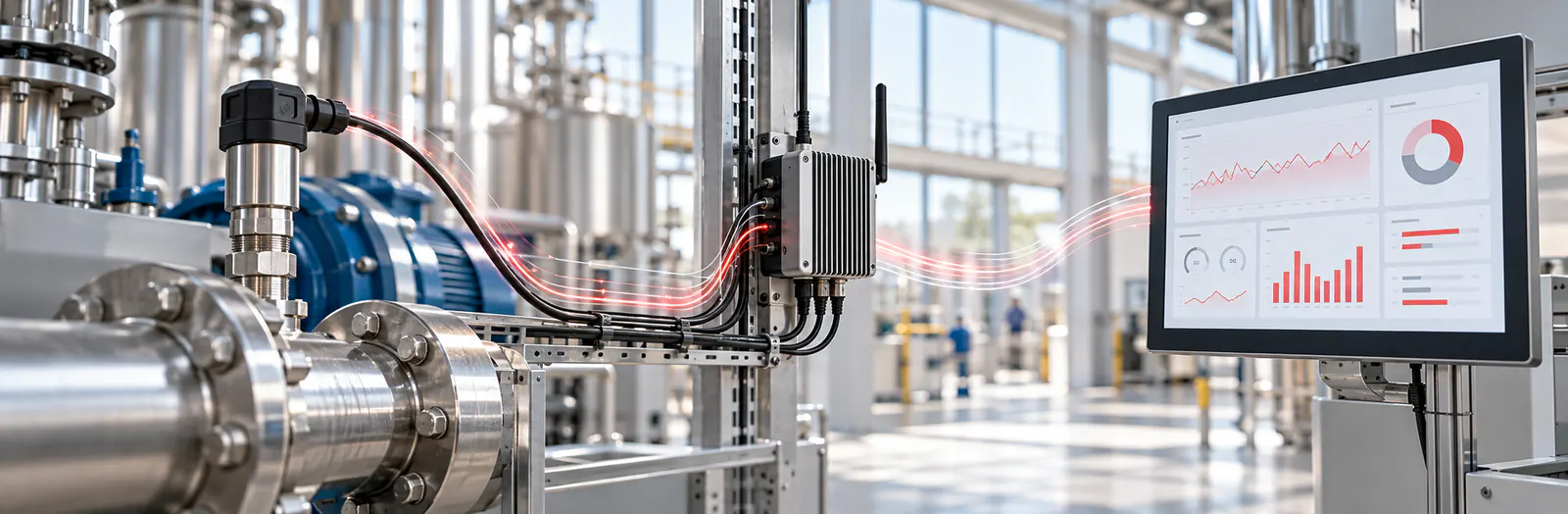
Precision front ends for thermocouples, RTDs, bridges, 4–20 mA and 0–10 V, accelerometers and current sensors; isolated digital I/O; fieldbus and wireless interfaces; wide-input industrial power with surge and ESD protection; LiDAR and camera integration.
Sensor drivers, calibration and filtering, time-synchronized sampling, store-and-forward buffering, MODBUS, CANopen, J1939, IO-Link, BLE, Wi-Fi, LoRa, NB-IoT and MQTT stacks, plus secure boot and signed OTA updates.
ASSET-Rx EDGE no-code/low-code sensor-to-cloud pipelines, OPC UA and MQTT integration, historians, dashboards and alerting, and connectors to SCADA, MES and ERP systems.
Edge AI from Cortex-M microcontrollers to NVIDIA Jetson: anomaly detection, predictive maintenance, machine-vision inspection and LiDAR perception, plus the annotated ground-truth data needed to train it.
What we execute
New instruments, connected products, or retrofits for the machines you already own.
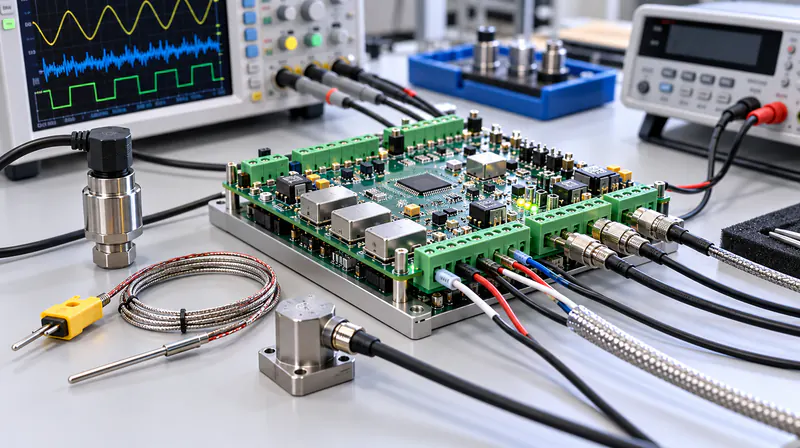
Analog front-end design, ADC selection, noise and drift budgets, factory and field calibration, and self-diagnostics such as open-sensor and out-of-range detection.
Hardware · Firmware
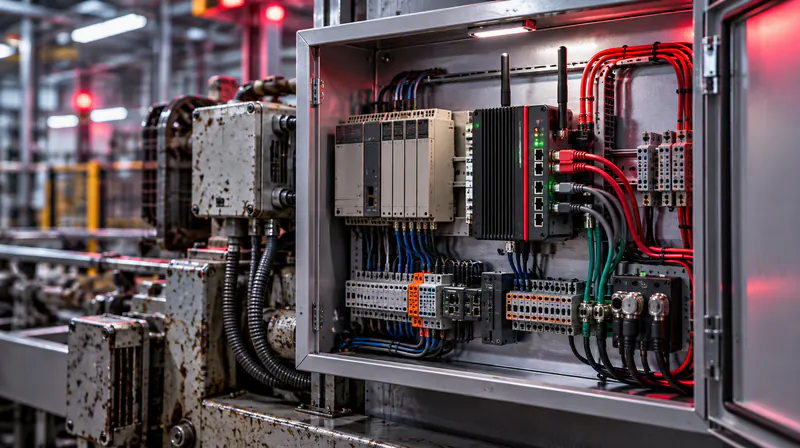
Protocol bridges between MODBUS, CAN, IO-Link, OPC UA and MQTT; retrofit gateways for legacy PLCs and machines; rugged enclosures and DIN-rail designs.
Hardware · Firmware · Software

BLE, Wi-Fi, LoRa, NB-IoT and wireless CAN; battery-life engineering for long field deployments; and UWB real-time location for centimeter-level positioning.
Hardware · Firmware

ASSET-Rx EDGE pipelines and Jetson-class edge computers that clean, contextualize and analyze data locally, for lower bandwidth, lower latency and data that stays on site.
Software · AI
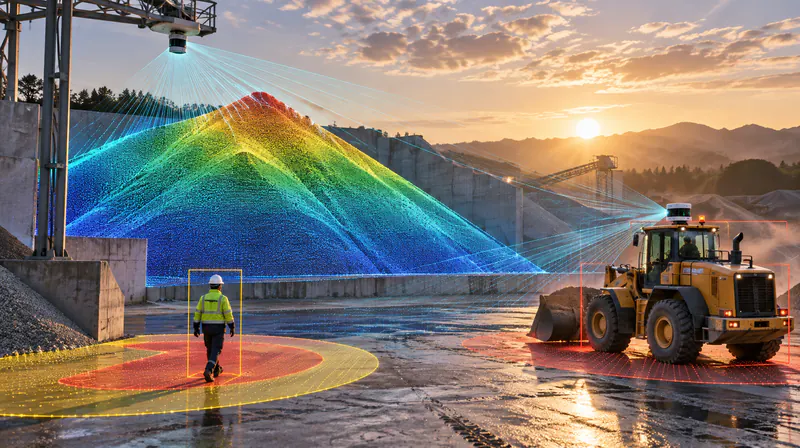
LiDAR volume measurement for bulk-material bays, silos and piles, safety-rated LiDAR for EHS zones, and people and vehicle detection.
Hardware · Software · AI
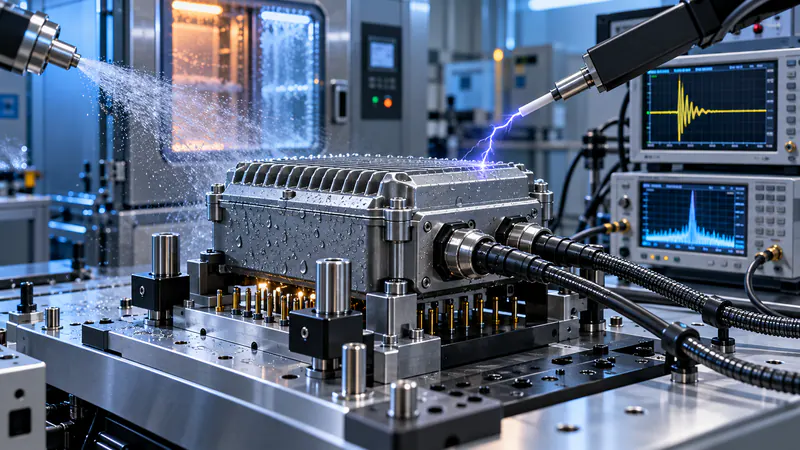
Industrial temperature ranges, ingress protection, surge, ESD and EFT immunity, EMC pre-compliance, DFM and production test fixtures.
Hardware
INTERCAL8 LOMA & related products
LOMA Load Managers bring electronic circuit breaker (ECB) technology to industrial power, with real-time monitoring and rule-based control of every circuit through SCADA or standard protocols: MODBUS, J1939, CANopen or proprietary Wireless CAN. With INTERCAL8 sensing and connectivity products and CRATUS ASSET-Rx EDGE, power and sensor data land on the same platform.
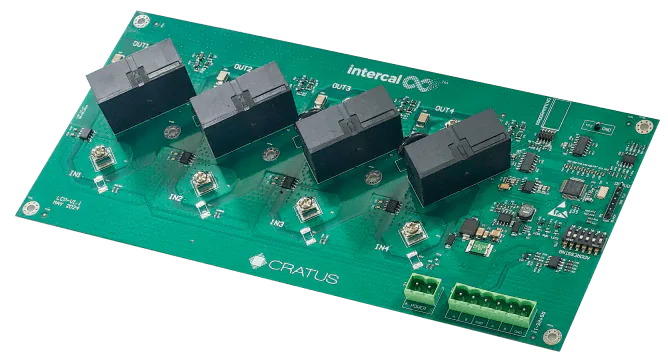
AI-Enabled Electronic Circuit Breaker
Monitors current on four AC/DC circuits, enforces load-shedding priorities and reports over dual digital interfaces, combining energy data and protection in one device.
Product details for ICL8-LC574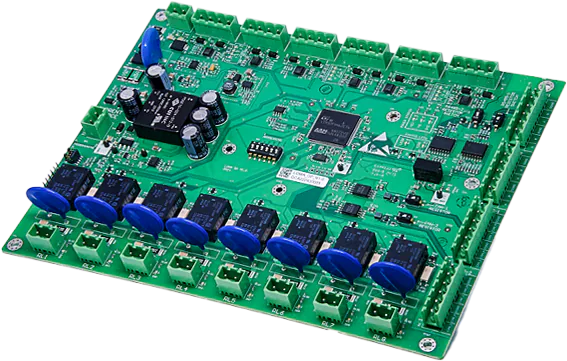
General-Purpose Load Controller
Isolated digital I/O with dual RS-485 & CAN, a general-purpose bridge between field signals, indicators, interlocks and your controls.
Product details for ICL8-GP515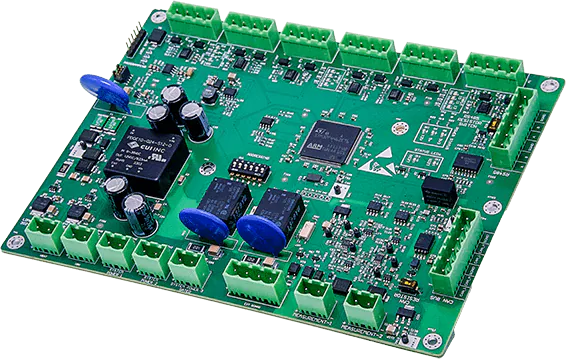
Isolated DC Power Controller
Keeps gateways, instruments and controllers powered through source changes with integrated ideal diodes. Remote reset clears hung devices without a site visit.
Product details for ICL8-PC548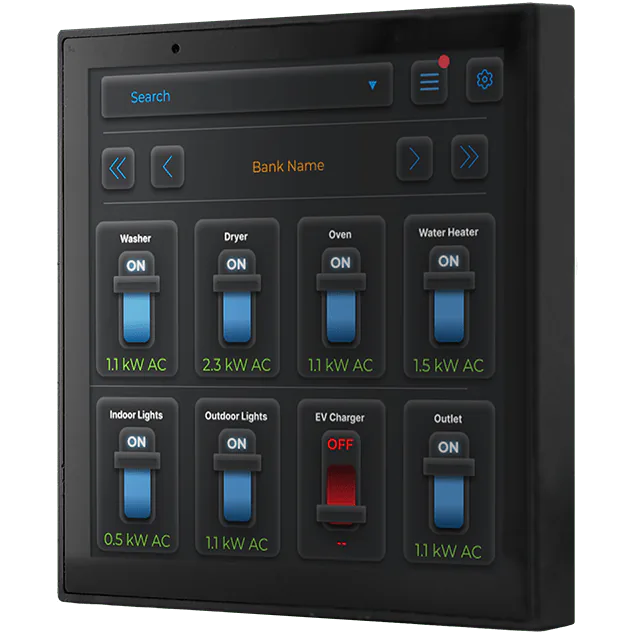
Multifunction Display & System Controller
Local system controller that manages load managers and sensor interfaces, with Ethernet, RS-485, Wi-Fi, Bluetooth and PoE.
Product details for ICL8-EB104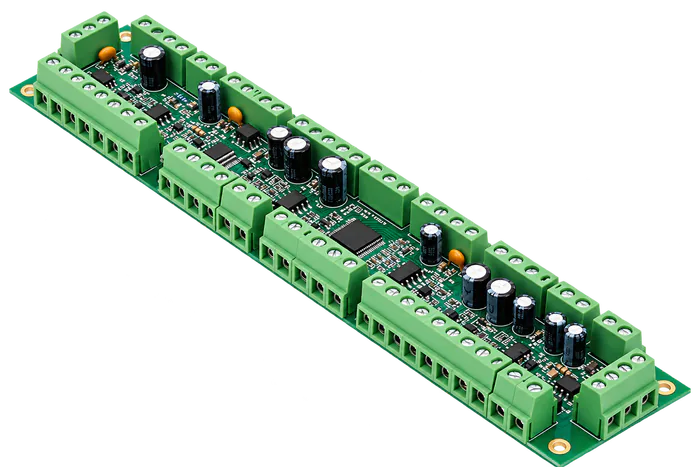
AI-Enabled 16-Channel Temperature Transmitter
Sixteen isolated temperature channels with predictive thermal insight computed on-device and delivered over the bus you already have.
Product details for ICL8-TM116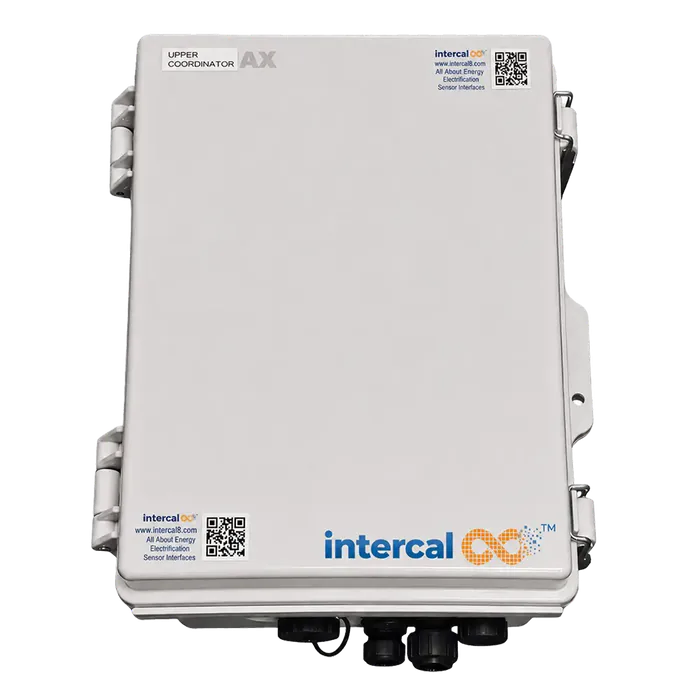
Wireless Dual CAN FD Control Board
Wireless dual CAN FD bridge for distributed sensors on moving equipment, cranes and remote aggregation points.
Product details for ICL8-WC182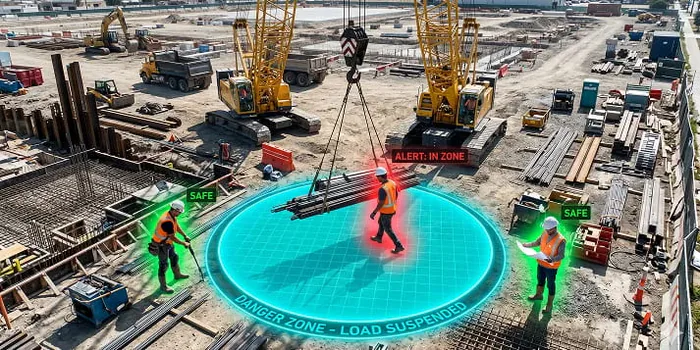
Edge Computing Middleware
The edge layer that collects, cleans and routes all of it to analytics, AI and the cloud.
Product details for ASSET-Rx EDGEAI built in
Manage INTERCAL8 power hardware in plain language. Ask for channel status, balance the system, or set a rule such as “shed non-critical loads when consumption crosses a threshold” — no code required.
Explore LOMAWhat is each circuit drawing right now?
Channel 1: 12.4 A · Channel 2: 8.1 A · Channel 3: 3.7 A · Channel 4: off. Total load is well under your 40 A threshold.
How we work

CRATUS works as a Team-in-a-Box. Hardware and firmware are built together, so timing is optimized, latency is lower and iterations are faster, with no hand-off delays between vendors.
Requirements, constraints, target standards and success metrics captured on one page you sign off.
Partition hardware, firmware, software and AI; pick key components; review risk and BOM cost early.
Schematics, PCB layout, firmware bring-up and first working units, designed with the mechanics in mind.
Bench, hardware-in-the-loop, fault-injection, environmental and EMC pre-compliance testing, with reports you can hand to a lab.
DFM/DFT, test fixtures, pilot builds, production support, over-the-air updates and lifecycle engineering.
Interfaces & standards we work with
We build to the industrial protocols, EMC, ingress and cybersecurity standards your equipment has to meet, so new devices drop into existing systems.
Protocol conformance and product certifications are issued by the relevant organizations and accredited labs. CRATUS designs and pre-tests to the specification and supports your certification.
FAQ
What plant, product and data teams ask us most about connecting sensors and machines, across hardware, firmware, software and AI.
Still have a question? An engineer will answer it directly.
Ask an engineerThe whole path. We choose or design the sensor and front end, get a clean, calibrated measurement, and move it reliably over a field network. Then we add context at the edge and deliver it to SCADA, the cloud or a dashboard. We do this for new products and for retrofits.
Yes. We add non-invasive sensors (current clamps, vibration, temperature), read existing PLCs over MODBUS or OPC UA, and bridge everything through a gateway into ASSET-Rx EDGE without touching the machine’s control logic.
With galvanic isolation, differential signaling, deliberate grounding and shielding, input filtering, surge, ESD and EFT protection, and wide-range industrial power inputs. We run EMC pre-compliance during development so immunity problems show up on the bench, not at the customer’s site.
Temperature (thermocouple, RTD, thermistor), pressure, strain and load cells, current and voltage, vibration and acceleration, flow, level and gas sensors, legacy 4–20 mA and 0–10 V transmitters, cameras, LiDAR and UWB positioning.
By data rate, latency, power budget, distance and RF environment. BLE suits short-range, low-power links. Wi-Fi carries high data rates. LoRa reaches far at low data rates, and NB-IoT uses cellular coverage. Wireless CAN delivers control-grade links across moving equipment. Wired fieldbus is still best wherever running cable is practical.
MODBUS RTU/TCP, CAN and CAN FD, CANopen, SAE J1939, IO-Link, OPC UA, MQTT and custom RS-485 protocols, plus Bluetooth, Wi-Fi, LoRa and NB-IoT. When two systems use different protocols, we write the bridge.
Secure boot, signed over-the-air updates with rollback, encrypted transport, unique device identity and least-privilege access, following ISA/IEC 62443 practices for industrial systems.
Factory and field calibration, self-diagnostics for open, shorted or out-of-range sensors, accurate timestamps, plausibility checks across related signals, and store-and-forward buffering so a network outage doesn’t leave gaps.
CRATUS’s edge computing middleware. It simplifies sensor-to-cloud connections in a no-code/low-code environment and speeds deployment of machine vision, analytics, AI, sensor data collection and IIoT applications at the edge.
Yes. We integrate over OPC UA, MQTT, MODBUS TCP and REST APIs with your SCADA, historian, MES or ERP, and with your choice of cloud or on-premises servers.
It detects anomalies in vibration, current and temperature, predicts maintenance needs, inspects parts with machine vision, and uses LiDAR to measure volumes and detect people or vehicles. Running at the edge cuts bandwidth and latency and keeps sensitive data on site.
Yes. Unsupervised anomaly detection can start from a baseline of normal operation. In parallel, CRATUS generates annotated, ground-truth reference data for supervised models, so accuracy improves as the system runs.
Yes. Compact anomaly-detection and classification models run on Cortex-M microcontrollers right next to the sensor. The ICL8-TM116, for example, computes predictive thermal insight on-device. Heavier vision and LiDAR workloads run on Jetson-class computers. We pick the smallest platform that meets your accuracy and latency targets.
The ICL8-TM116 adds 16 channels of precision temperature sensing with on-device AI. The ICL8-WC182 carries CAN FD data wirelessly across moving equipment. LOMA load managers monitor and control the power circuits, and the ICL8-EB104 gives operators a local view of all of it.
Yes. The INTERCAL8 AI Assistant lets operators manage INTERCAL8 power-control hardware in natural language. They can check status, balance loads or set rules such as shedding non-critical loads above a consumption threshold.
Send us a message through our contact form with what you’re building, where it will operate and your timeline. We’ll schedule a technical discovery call, then send a scoped, phased proposal, so you can begin with an architecture study or prototype and commit to production later.
Yes. We can own the whole system as a Team-in-a-Box, or take a defined piece (the power stage, the firmware, the cloud pipeline, the AI model) and work inside your repositories, toolchains and design reviews.
Yes. We carry designs from prototype through DFM and DFT reviews, test-fixture and end-of-line test development, pilot builds and full-scale production support.
Talk to a CRATUS engineer
Share the signals, the environment and where the data has to go. A CRATUS engineer will reply with questions, an architecture and a phased plan.
Contact UsKeep exploring
Talk to our team about your facility, and let’s design a system that fits your risks and goals.
Request a Solution BriefInterested ?
We would be pleased to send you detailed information about our products or services.
Simply enter your details in the contact form below and we will get in touch with shortly.
CRATUS respects your personal information and keeps it safe. By sending this form, you consent to allow CRATUS to store and process your personal information as stated in our Privacy Policy.
GET IN TOUCH
One of our experts will be communicating with you shortly. We are committed to understanding your application and providing support, tailored to your specific requirements.