

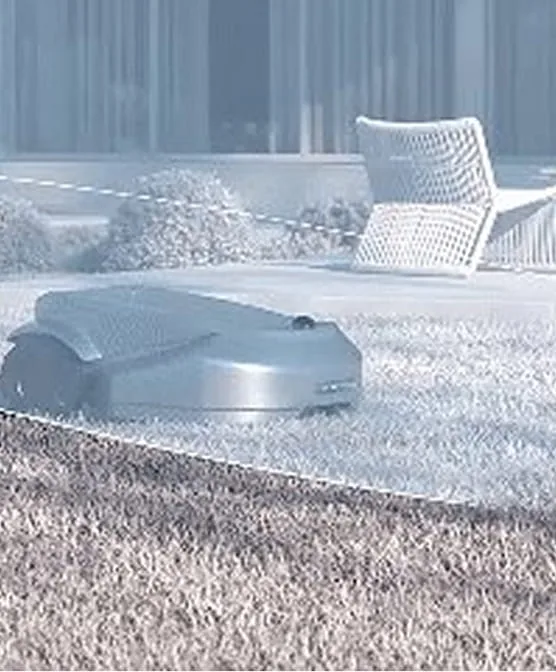
Courtyard robots
Lawn boundaries, garden furniture and small animals resolved at 1 cm precision.
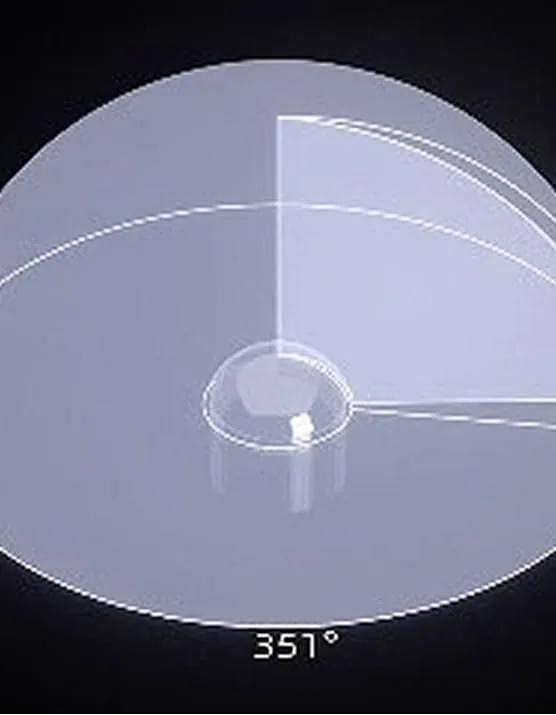
A full 360° × 90° hemisphere of perception from a body the size of a ping-pong ball, 1.72 million points per second at 1 cm precision and a dense point cloud using under 8 watts. Ideal for industrial automation and robotics navigation needing 360° perception.
END MARKETS
$599.00 – $1,058.00Price range: $599.00 through $1,058.00
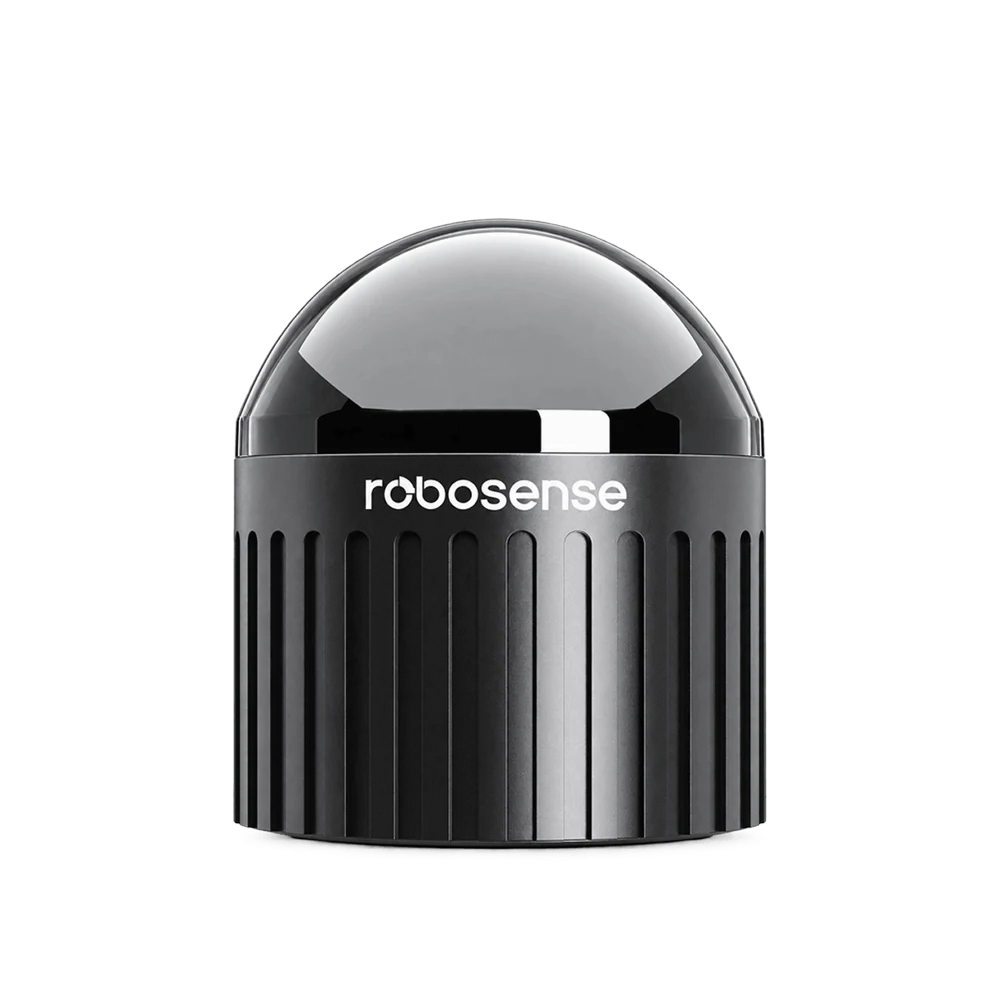
The Airy is a compact hemispherical digital LiDAR designed for robotics, humanoids and autonomous systems. Its 360° horizontal and 90° vertical field of view generates dense, high-precision point cloud data for real-time 3D perception.
With up to 1.72 million points per second and a 60 metre coverage radius, Airy supports reliable SLAM, navigation and obstacle avoidance from a single mounting point.
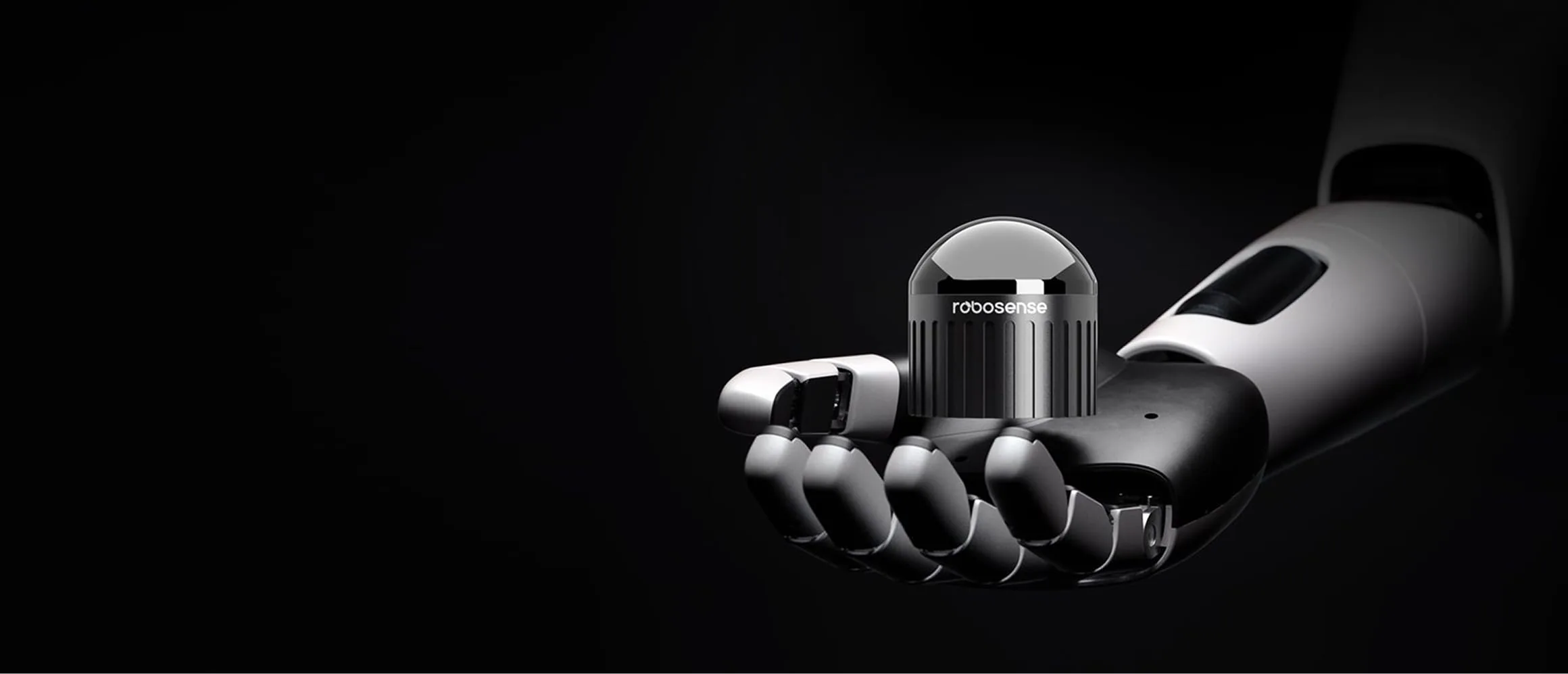
Three properties that decide whether a sensor fits a robot at all.
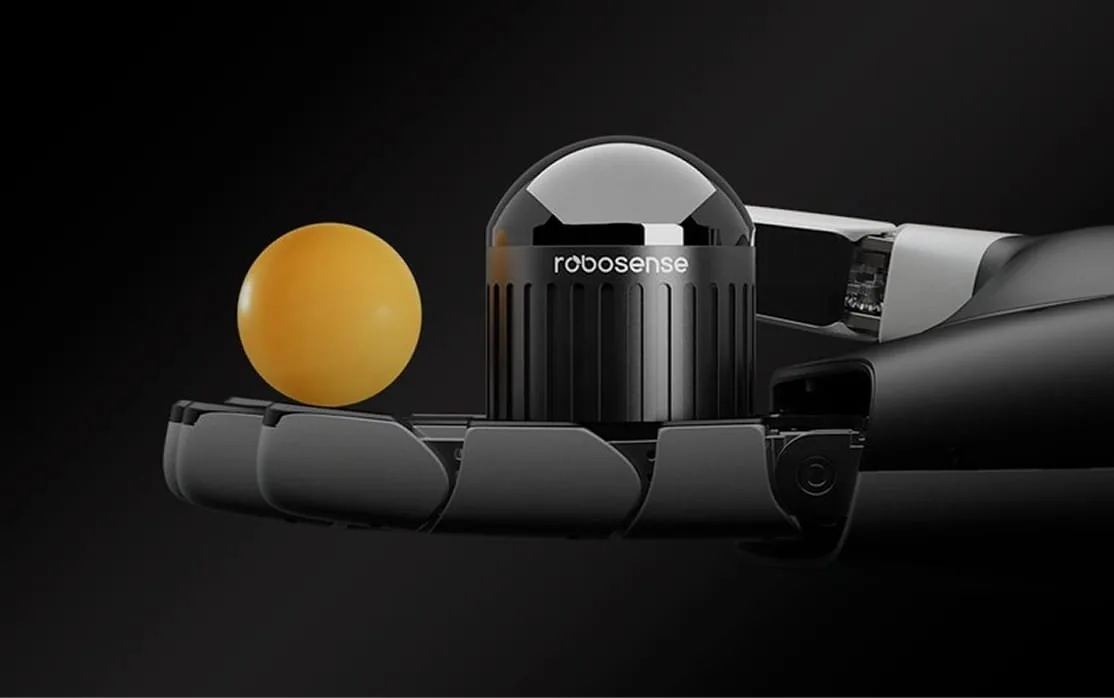
Airy is the industry's first compact hemispherical digital LiDAR. A diameter of just 60 mm, a height of 63 mm and a weight under 240 g mean it takes almost no volume out of a robot's design envelope.
That budget is the real constraint on most robotics programmes. A sensor that has to sit on a mast, or that forces a wider chassis, changes the whole machine around it. One that fits in a palm can go on a head, a shoulder, a mast top or a chassis corner without a redesign — and its sub-8 W draw keeps it viable on battery. An IMU is integrated, so there is no separate inertial module to mount and align.
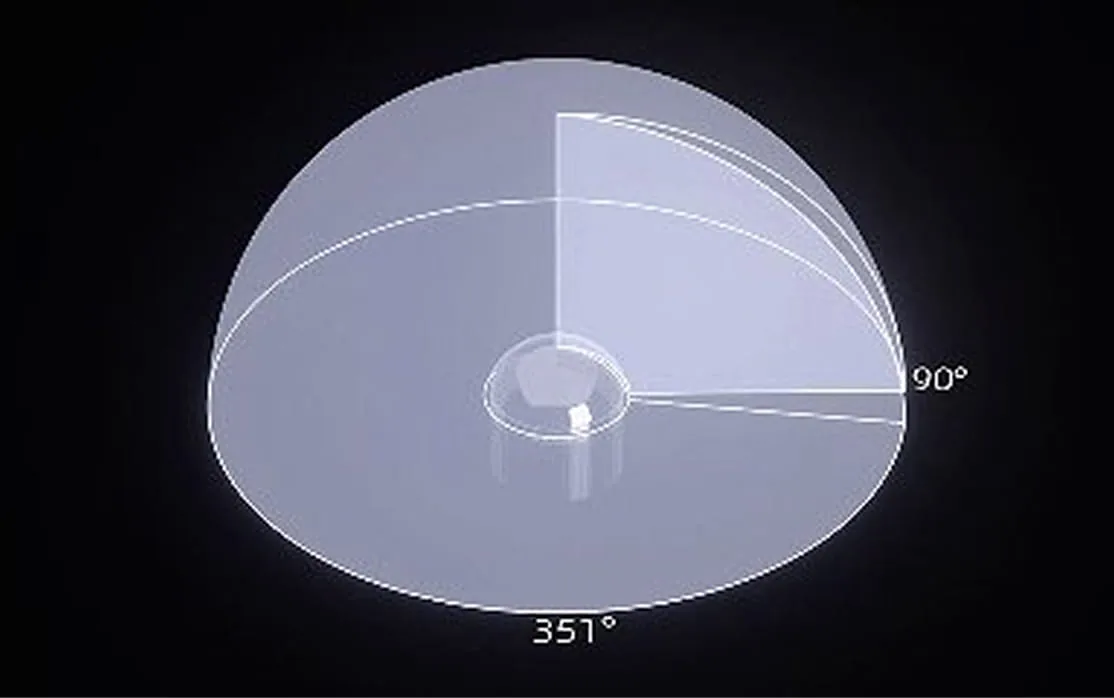
RoboSense's opto-mechanical design gives the Airy an ultra-wide hemispherical field of view — 360° horizontal by 90° vertical — spanning a 60-metre radius despite the compact body.
The difference from a conventional 360° spinning LiDAR is the vertical span. A typical mid-range unit covers 30–40° vertically, which leaves a robot blind to anything low and close, or high and overhead: a kerb at its feet, a shelf edge at head height, a doorframe, a low branch. Ninety degrees of vertical coverage closes both at once.
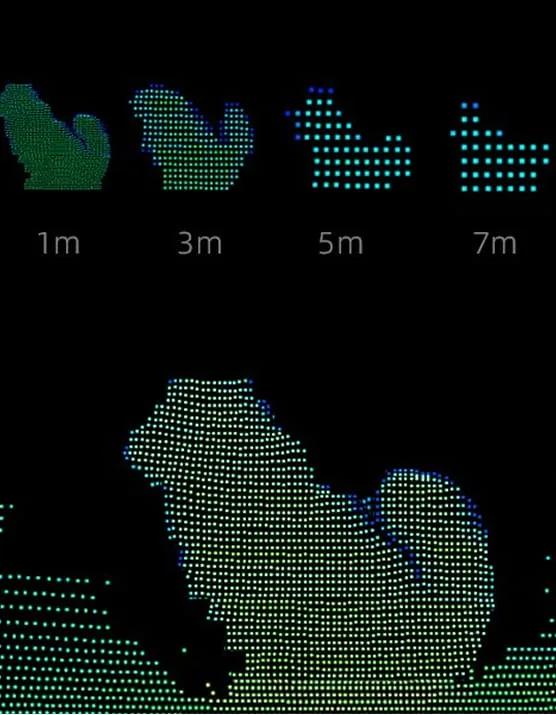
Airy features 96 beams, delivering approximately 860,000 points per second with 1.5 cm @ 1σ range precision. It excels in detecting dynamic and static small obstacles at both short and long distances, supporting safe collision avoidance and efficient 3D mapping across indoor and outdoor environments.
Airy uses a repetitive scanning approach, generating high-precision, evenly arranged point-cloud imagery in real time. Repetitive scanning matters for perception software: a stable, predictable point distribution frame after frame is far easier to register, segment and track against than the drifting pattern a non-repetitive scanner produces.
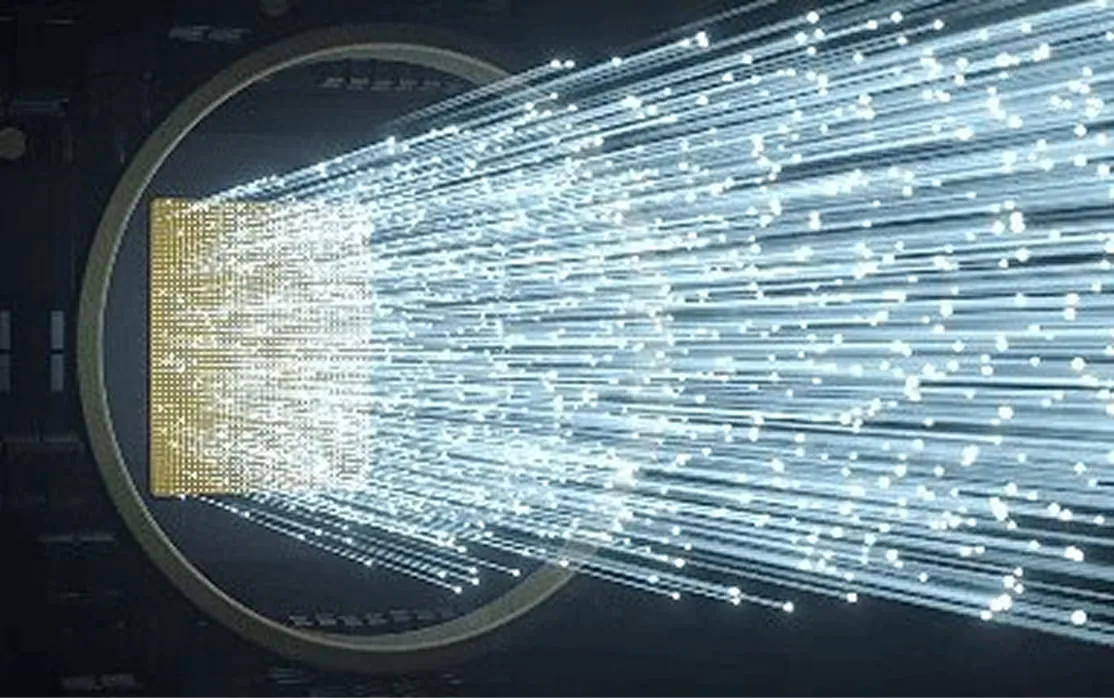
Next-generation VCSEL emitters and high-sensitivity SPAD-SoC receivers, with a digital signal path from the first photon.
A fully digital transmission and reception architecture streamlines the signal path. Against non-digital products the consequence is concrete: no loss of echo data, higher-quality point-cloud output and a significantly smaller product. Every analogue conversion stage costs information and adds board area; removing them is what allows hemispherical coverage in a 60 mm body.
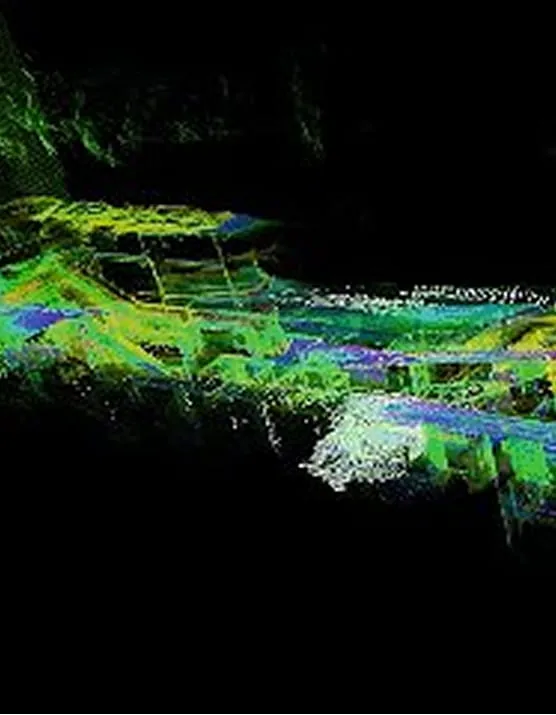
Performs SLAM in large outdoor environments and confined indoor spaces alike, delivering high-precision 3D models.
Up to 1 cm @ 1σ — ahead of comparable LiDAR in this class.
Resolves small animals on lawns and concrete, keeping robots operating safely instead of stopping.
360° × 90° over a 60 m radius from one mounting point and one calibration.
Active illumination works independently of ambient light — continuous operation around the clock.
The seven robot categories RoboSense builds the Airy for.
Lawn boundaries, garden furniture and small animals resolved at 1 cm precision.
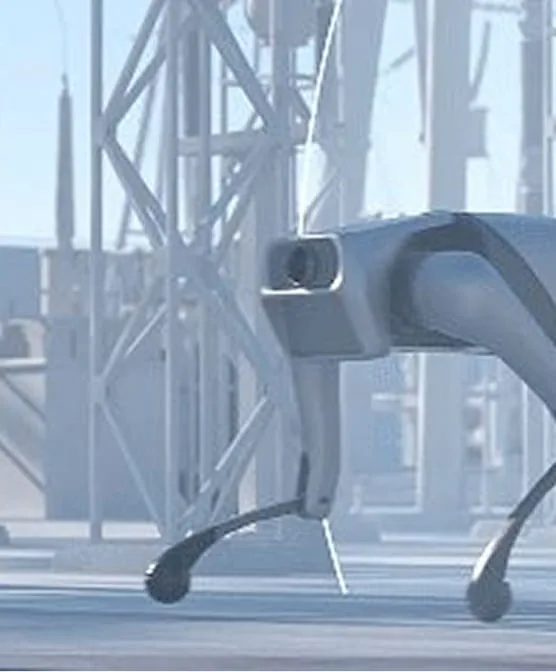
Ninety degrees of vertical coverage keeps ground and overhead in view while the body pitches.
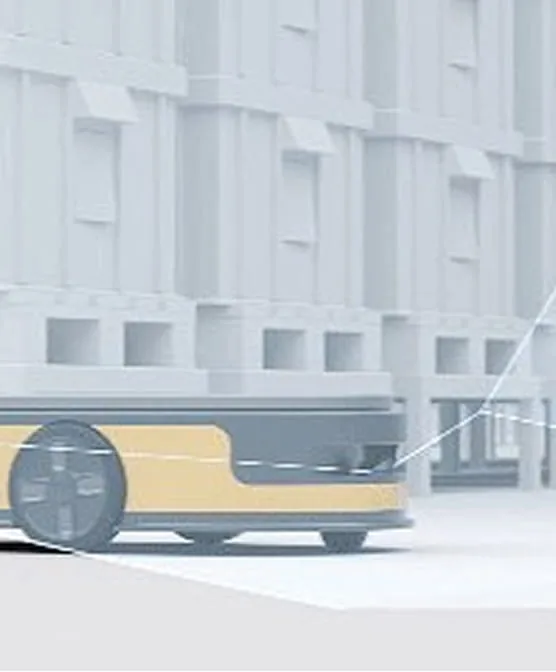
Structured point clouds for reliable warehouse SLAM and re-localisation.
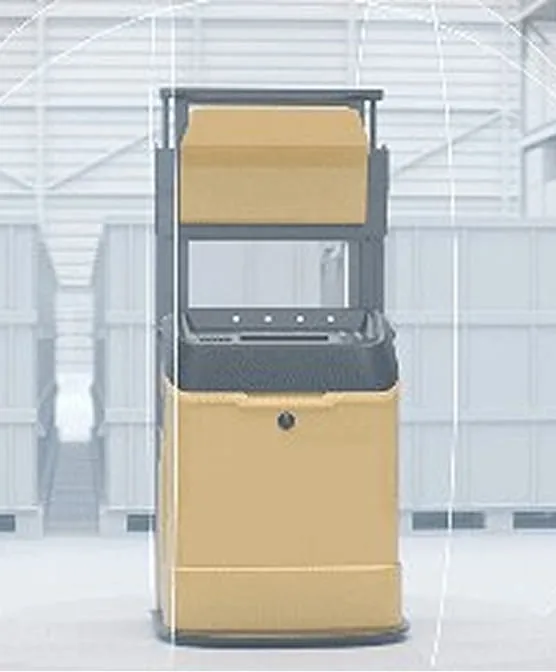
Pallet faces, racking uprights and load edges from a single hemispherical view.
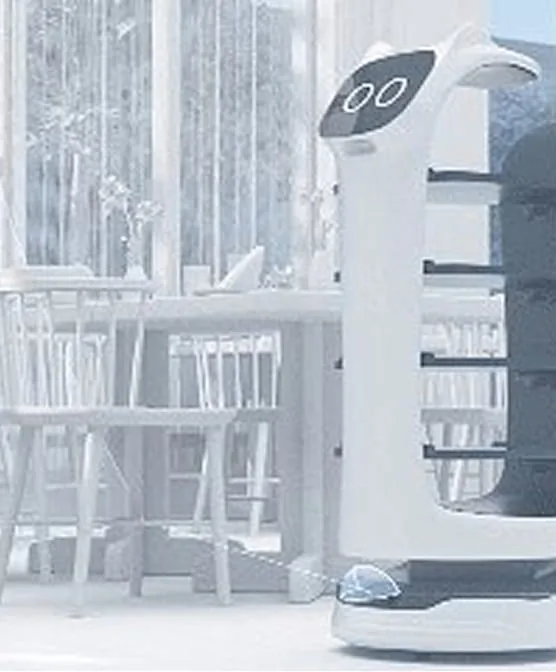
Table legs, chairs and people in crowded interiors, in any lighting.
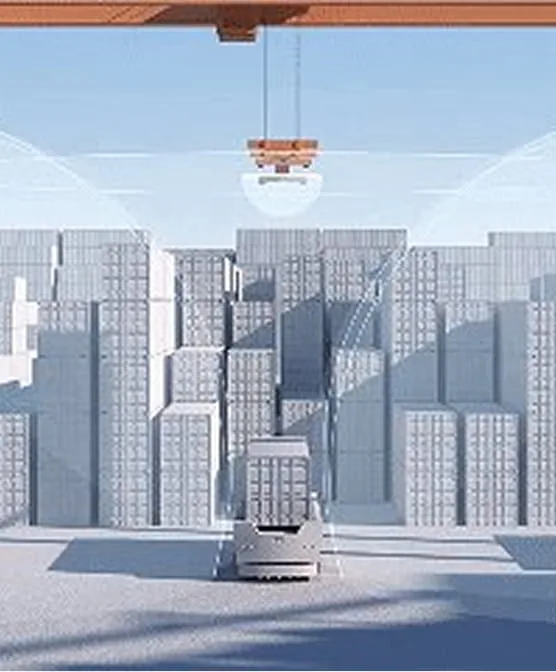
Container edges and yard traffic across a 60 m radius, day and night.

Under 240 g and 60 mm across — mountable in a head without shifting the mass budget.
Active illumination works independently of ambient light — continuous operation around the clock.
As published by RoboSense. Parameters not disclosed publicly are marked “—”; contact us for the controlled datasheet under NDA.
RoboSense states that product specifications may vary by version. For specific information refer to the structural drawings or the 3D digital model — we can supply both.
1 cm @ 1σ is the figure published on the RoboSense product page. RoboSense's own online store has at times listed 1.5 cm @ 1σ for the same model, and range is quoted there as a 120 m diameter rather than a 60 m radius — the same number expressed differently. Confirm the binding figure for your version against the controlled datasheet.
Published parameters are typical values obtained under specific test conditions. Actual performance varies reasonably with batch, version and operating environment; the factory inspection certificate is the definitive standard.
Specifications are subject to change. Please confirm against the current RoboSense datasheet before design-in.
GET IN TOUCH
One of our experts will be communicating with you shortly. We are committed to understanding your application and providing support, tailored to your specific requirements.
Receive Quote
One of our experts will be communicating with you shortly. We are committed to understanding your application and providing support, tailored to your specific requirements.