

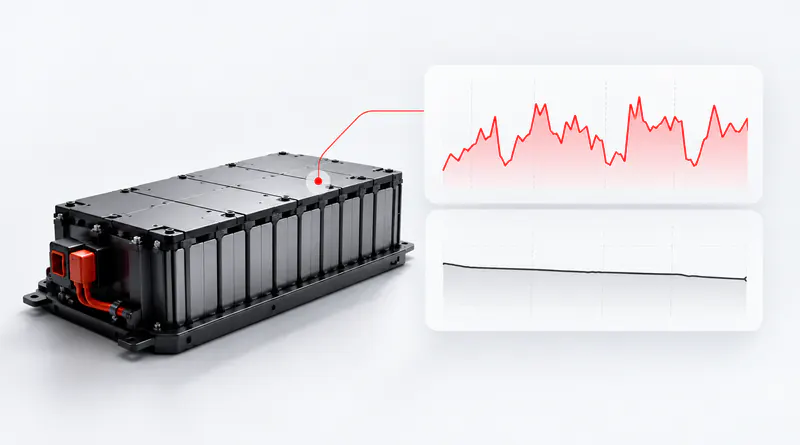
Estimates nobody trusts
A state of charge that jumps around erodes operator confidence, and the flat voltage curve of LFP makes it worse.
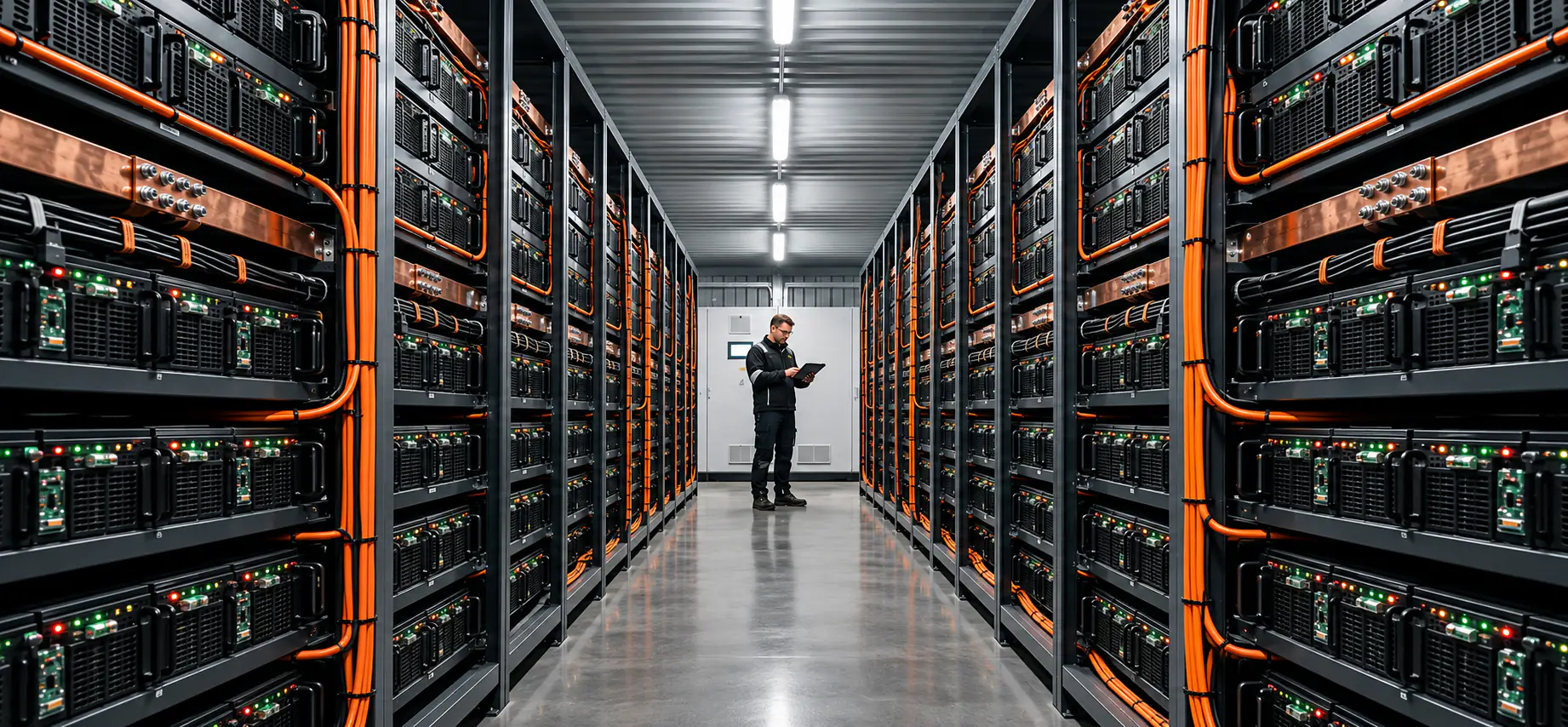
Battery Management & Power Electronics
CRATUS and its INTERCAL8 energy line design battery management systems, power stages and energy controls for stationary storage, mobility, marine and industrial equipment. That includes the firmware that keeps cells safe, the software that runs fleets of packs, and the AI that predicts their health.
The challenge
Cells are rarely the problem on their own. Trouble starts where components from different teams and vendors meet.
A state of charge that jumps around erodes operator confidence, and the flat voltage curve of LFP makes it worse.
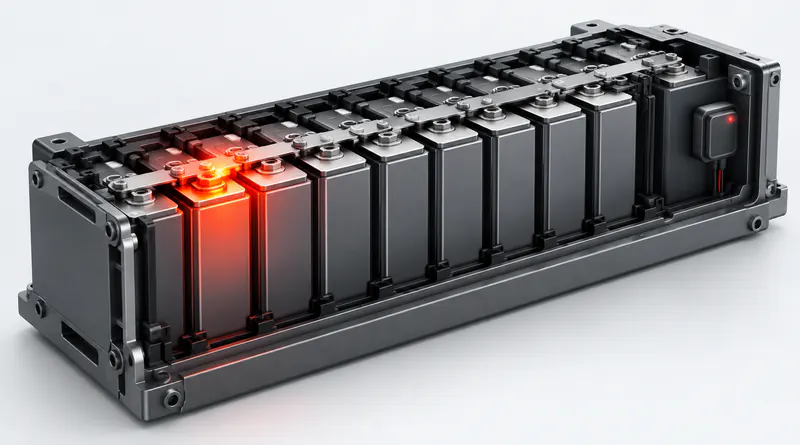
A single warm cell or loose busbar can start a thermal event long before a pack-level sensor reacts.
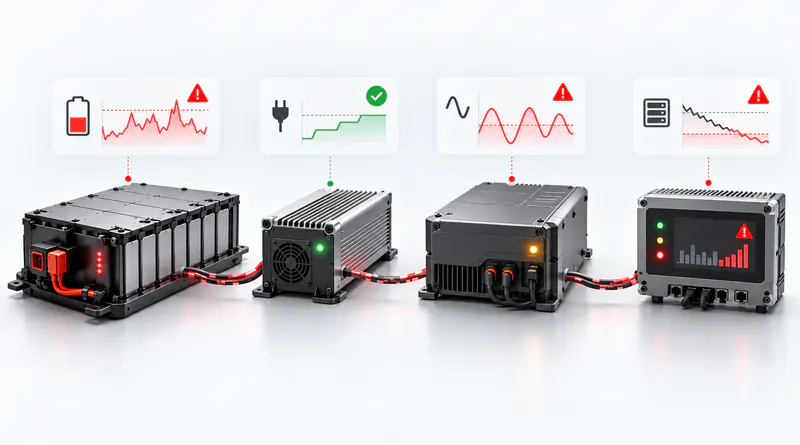
BMS, charger, inverter and site controller from different vendors rarely agree on limits, states or faults.
CRATUS closes these gaps at every layer — hardware, firmware, software and AI, engineered by one team.
See our approachOur approach
Battery systems fail at the boundaries: between cells and front end, BMS and charger, pack and site controller. We design those boundaries ourselves, so protection, estimation and control agree with each other.
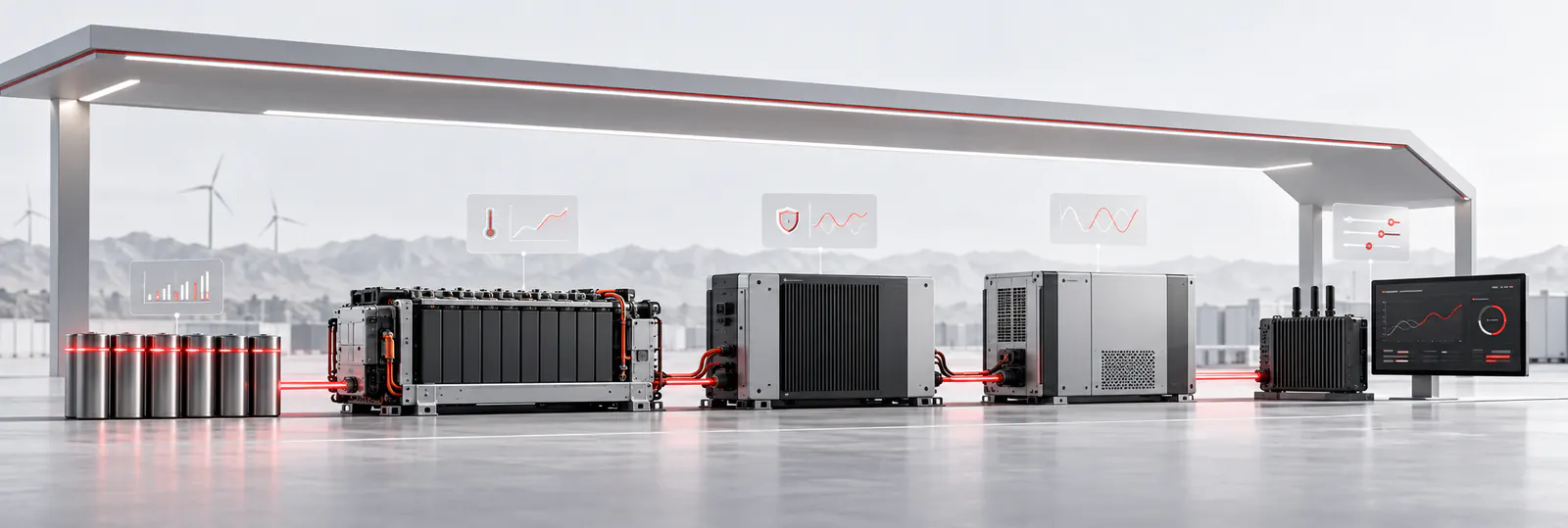
Cell-voltage and temperature front ends, isolated daisy-chain or wireless BMS links, passive and active balancing, shunt and Hall current sensing, contactor, pre-charge and fuse coordination, and DC-DC, charger and inverter power stages.
Real-time protection for voltage, current and temperature, Coulomb counting fused with model-based SoC estimation, SoH tracking, balancing control, contactor sequencing, bootloaders and charger and inverter communications.
INTERCAL8 EMS for multi-site monitoring and control, fleet dashboards and alarms, data historians, MES for pack manufacturing, and end-of-line test and configuration tools.
Models trained on voltage, current, temperature and impedance data predict capacity fade and remaining useful life, catch outlier cells early, spot thermal anomalies and forecast load to schedule charge and discharge.
how we serve
From a drone pack to a rack-scale BESS, we size the design to the application.
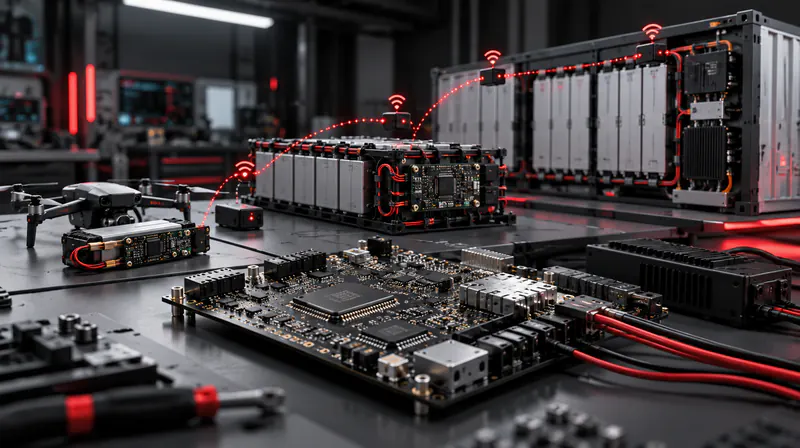
Scalable architectures, from compact single-board BMS for drones and light EVs to distributed and wireless BMS for energy storage, with SoC and SoH estimation tuned to your chemistry.
Hardware · Firmware
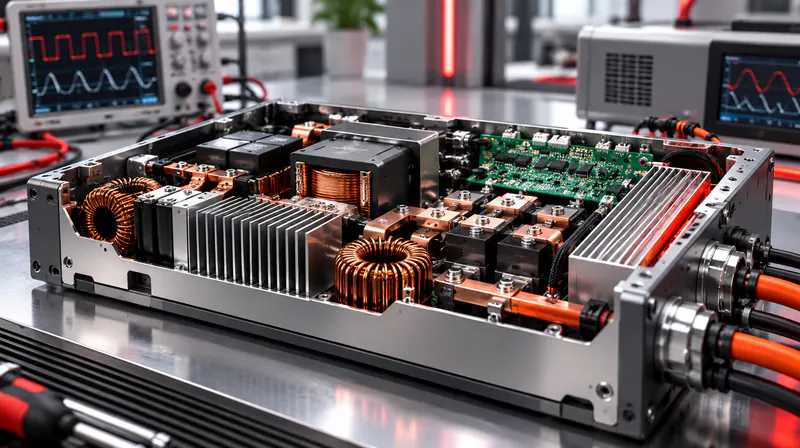
Isolated and non-isolated DC-DC, bidirectional converters, battery chargers, auxiliary supplies and inverter control, including SiC and GaN gate drive, magnetics, thermal and EMC design.
Hardware · Firmware
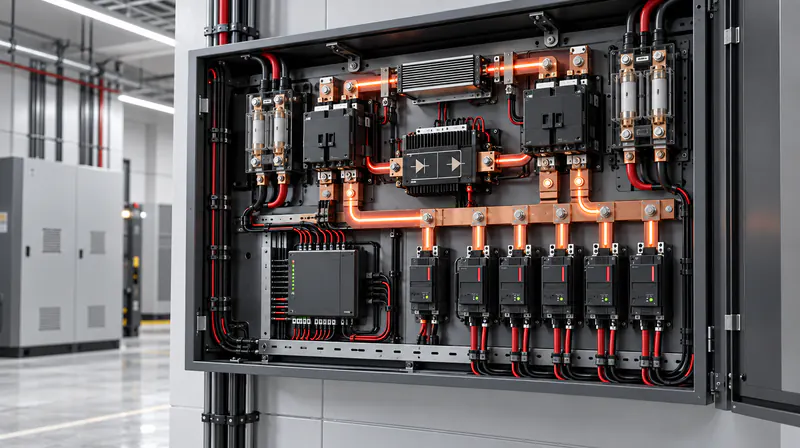
Contactor and pre-charge circuits with weld detection, fuse coordination, insulation monitoring, ideal-diode source hand-off and programmable electronic circuit breakers.
Hardware · Firmware
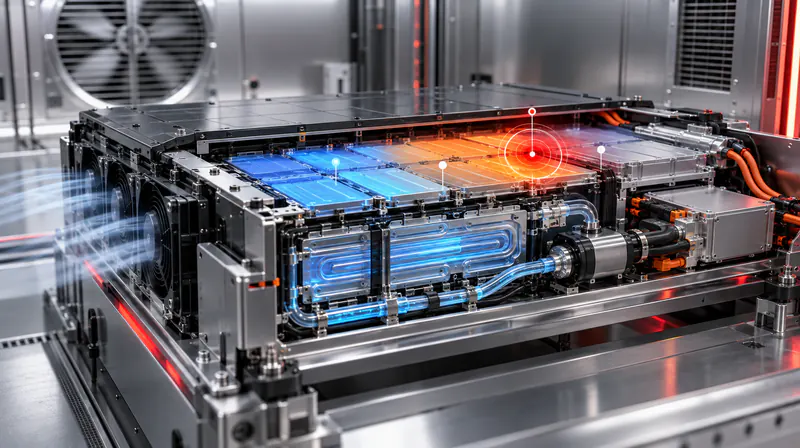
Dense temperature sensing, fan, pump and heater control, derating strategies and AI-assisted early warning of thermal events.
Hardware · Firmware · AI
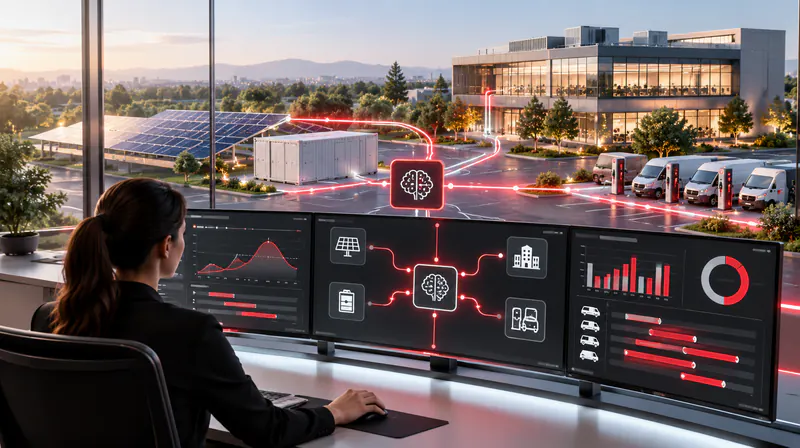
INTERCAL8 EMS for peak shaving, load shifting, microgrid and DER coordination, EV-charging load management and fleet energy management.
Software · AI
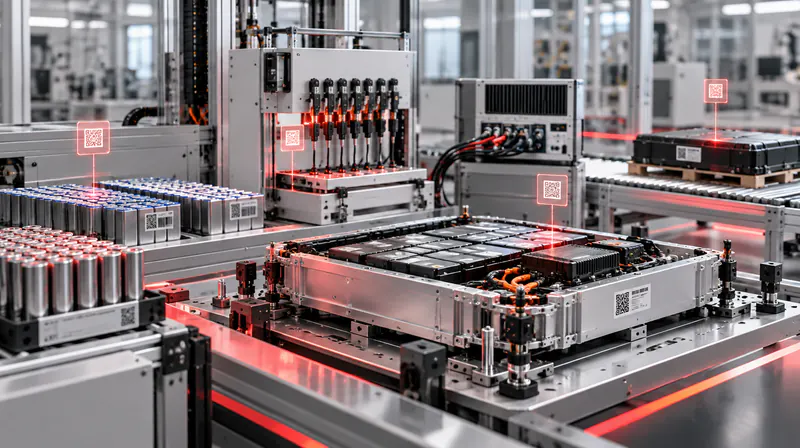
End-of-line testers, cell grading, BMS hardware-in-the-loop rigs and MES traceability from cell lot to shipped pack.
Hardware · Software
power management related products
LOMA Load Managers use electronic circuit breaker (ECB) technology for intelligent, programmable control of the loads your battery feeds. Every circuit is monitored in real time and controlled by rule through SCADA, MODBUS, J1939, CANopen or proprietary Wireless CAN. Alongside INTERCAL8 BMS, EMS and thermal products, they close the loop from cell to load.
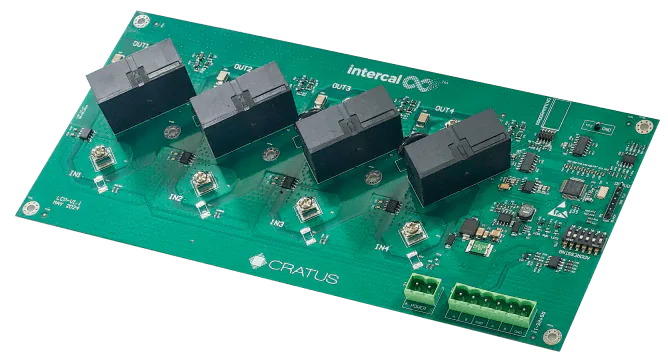
AI-Enabled Electronic Circuit Breaker
Sets load-shedding priorities and balances AC and DC loads across four channels, so the battery serves critical circuits first. No breaker resets in remote or mobile installs.
Product details for ICL8-LC574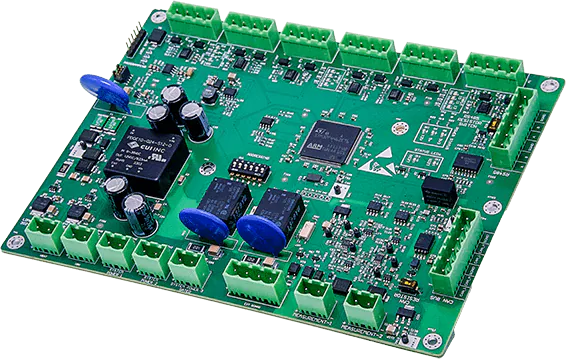
Isolated DC Power Controller
Controls and monitors DC systems with 1500 V isolation; integrated ideal diodes hand off seamlessly between battery, charger and other DC sources.
Product details for ICL8-PC548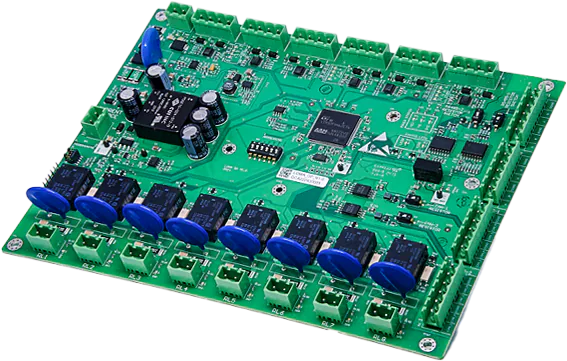
General-Purpose Load Controller
Drives contactor banks with resilient, algorithmic switching in EV, charging and BESS applications, and talks to the BMS over dual RS-485 and CAN.
Product details for ICL8-GP515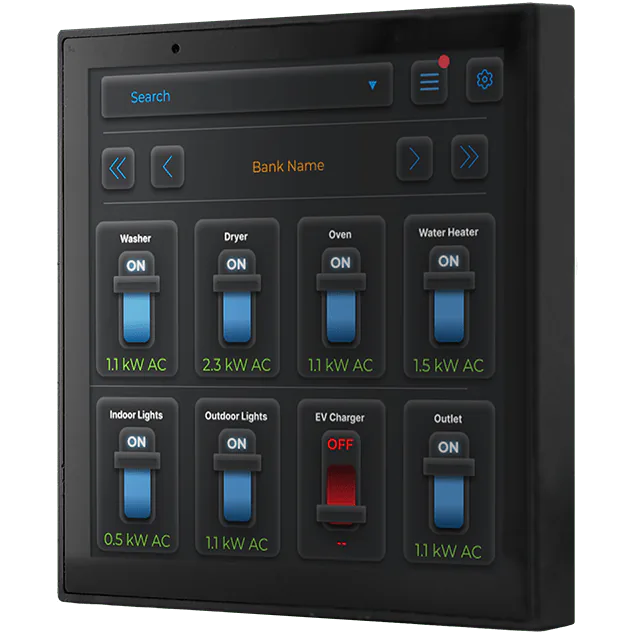
Multifunction Display & System Controller
Local HMI for the whole power system: one 4″ touchscreen controlling LOMA LC, GP and PC load managers.
Product details for ICL8-EB104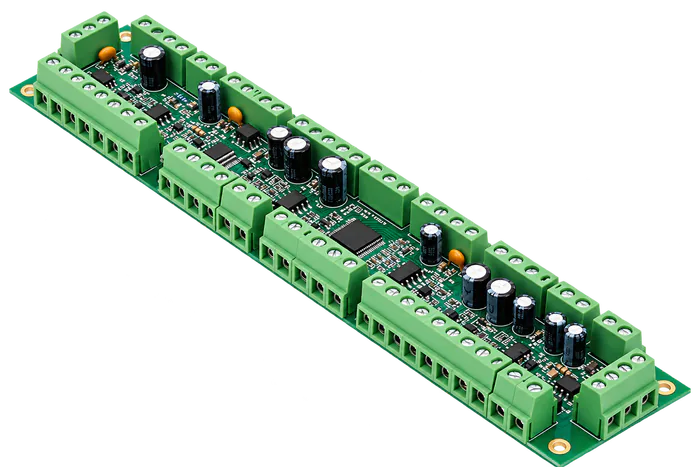
AI-Enabled 16-Channel Temperature Transmitter
Monitors 16 cell, busbar or power-stage temperatures at ±0.1 °C and predicts thermal failures on-device.
Product details for ICL8-TM116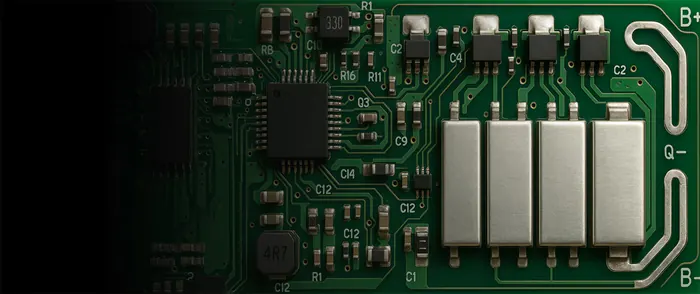
Battery Management System Development
The battery brain: custom hardware and firmware tailored to your cells, pack and application.
Product details for Custom BMS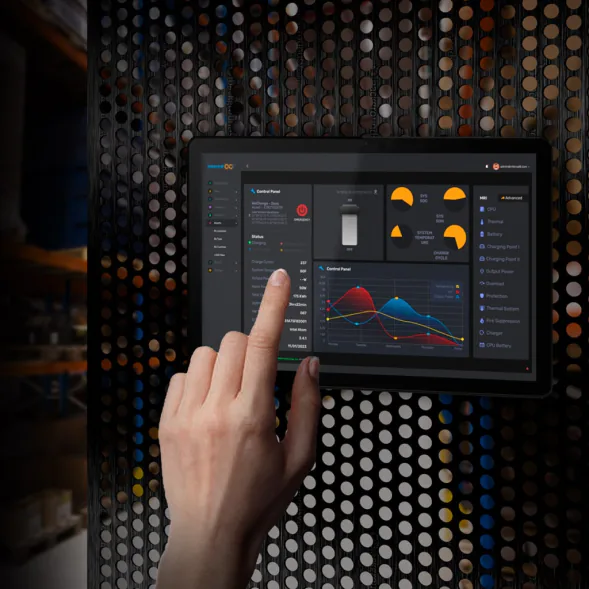
Energy Management System
Site and fleet energy management that coordinates storage, generation and loads, including LOMA.
Product details for INTERCAL8 EMSAI built in
Ask which loads are drawing the most, balance the system, or tell it to shed non-critical loads when consumption crosses a threshold, all in plain language with no code required.
Explore Energy AIWhich loads are drawing the most power right now?
Channel 1 (HVAC) is drawing the most, followed by channel 2 (chargers). Want me to shed channel 4 first if total consumption crosses your threshold?
How we work
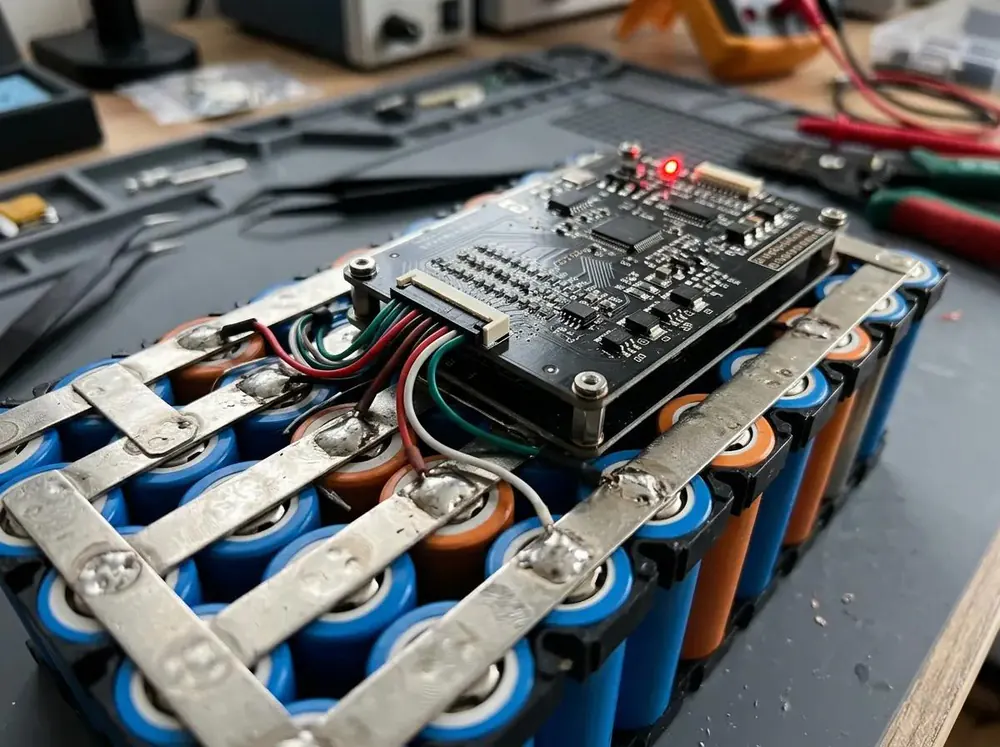
CRATUS works as a Team-in-a-Box. Hardware and firmware are built together, so timing is optimized, latency is lower and iterations are faster, with no hand-off delays between vendors.
Requirements, constraints, target standards and success metrics captured on one page you sign off.
Partition hardware, firmware, software and AI; pick key components; review risk and BOM cost early.
Schematics, PCB layout, firmware bring-up and first working units, designed with the mechanics in mind.
Bench, hardware-in-the-loop, fault-injection, environmental and EMC pre-compliance testing, with reports you can hand to a lab.
DFM/DFT, test fixtures, pilot builds, production support, over-the-air updates and lifecycle engineering.
Standards we engineer to
We design and pre-test to the battery, energy storage and grid standards your product will be tested against, and prepare documentation and samples for the accredited lab.
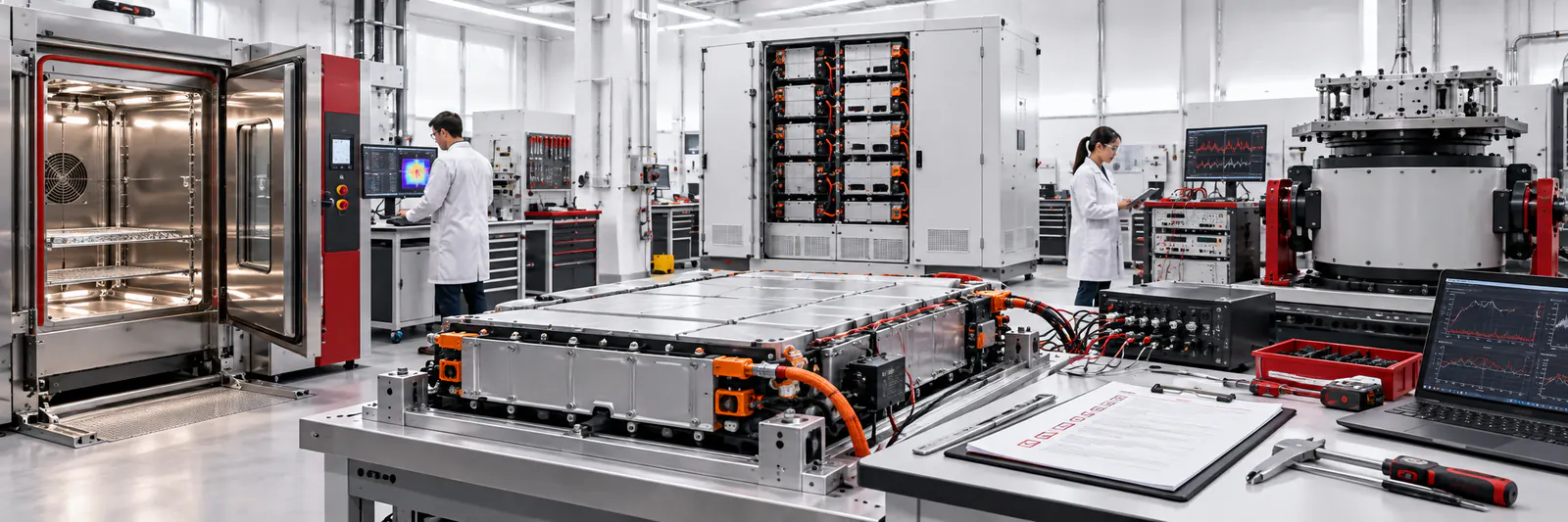
Certification is issued by accredited third parties such as TÜV, UL or exida. CRATUS engineers, documents and pre-tests to the standard and supports your assessment; we don’t self-certify.
FAQ
What engineering teams ask us most about BMS, power conversion and energy management, across hardware, firmware, software and AI.
Still have a question? An engineer will answer it directly.
Ask an engineerStationary battery energy storage (BESS), mobility applications (drones, light and heavy EVs, marine), and industrial auxiliary and backup power. We work with common lithium-ion chemistries, including LFP and NMC, and evaluate other chemistries on request.
Off-the-shelf BMS boards suit standard packs and low volumes. A custom BMS pays off when you need a specific cell count or form factor, particular communications or safety architecture, lower cost at volume, or control of the firmware roadmap. We also integrate third-party BMS and add the EMS, telemetry and AI layers on top.
It starts with the analog front end. We select an AFE for the accuracy your chemistry needs, use Kelvin sense connections and careful filtering, and sample voltage and current together so we can estimate impedance. Between modules we use isolated daisy-chain links or wireless, depending on pack size and wiring constraints.
Passive balancing bleeds excess charge through resistors, which is simple, low cost and fine for well-matched cells. Active balancing moves charge between cells, recovering usable capacity in large, aging or second-life packs at higher cost and complexity. We model your pack’s expected imbalance and duty cycle before recommending one.
For the right application, yes. INTERCAL8 builds wireless communication into BMS architectures to reduce wiring complexity and reliance on connectors. We design the link for the RF realities of metal enclosures, with message integrity checks, timeouts and a defined safe behavior if a node goes quiet.
Isolated and non-isolated DC-DC converters, bidirectional converters, chargers, auxiliary supplies and motor and inverter stages, with gate drive for silicon, SiC and GaN devices. Thermal design, magnetics selection and EMC filtering are part of every design from the start.
We size pre-charge for your bus capacitance and fault cases, sequence contactors in firmware with weld detection and economizers, and coordinate fuses so faults clear in the right order. For larger contactor banks, the INTERCAL8 ICL8-GP515 provides isolated, algorithmic switching.
It depends on chemistry, sensors and usage, so we show you measured error bands for your pack. LFP’s flat voltage curve defeats voltage-only methods. We fuse Coulomb counting with model-based estimators, such as an extended Kalman filter on an equivalent-circuit model, recalibrate at rest points, and validate against reference cycling data.
The fastest, most critical protection (short circuit and gross over-current) runs in hardware so software cannot delay it. Firmware handles voltage and temperature limits, derating, contactor logic, balancing, estimation and fault logging, with independent secondary protection for critical faults.
CAN and CAN FD, SAE J1939, CANopen, MODBUS RTU/TCP, RS-485 and SMBus at the device level. Bluetooth, Wi-Fi, LoRa and NB-IoT for telemetry, MQTT to the cloud, and OCPP when integrating EV chargers.
It is an edge-connected, cloud-based energy management system with a multi-company, multi-site interface. It connects to sensors and controllers to monitor, automate and optimize energy generation, storage and use. It reports on power sources and storage with historical, real-time and predictive analytics.
Yes. INTERCAL8 offers MES software for battery manufacturing. We also build the end-of-line testers, cell-grading stations, BMS flashing and calibration fixtures, and serial-level traceability that connect cells to finished packs.
Models trained on voltage, current, temperature and impedance trends estimate capacity fade and remaining useful life. They detect outlier cells (rising resistance, abnormal self-discharge) long before a cell trips a limit, and they flag thermal anomalies. Depending on latency and data needs, they run at the edge (for example on the ICL8-TM116 or a gateway) or in the EMS cloud.
Yes. Load and generation forecasts drive charge and discharge schedules for peak shaving, demand-charge reduction and time-of-use shifting. LOMA load managers then execute the shedding priorities, and the INTERCAL8 AI Assistant lets operators adjust the rules in plain language.
AI improves early warning. It does not replace hard protection limits. Dense temperature sensing combined with models of normal heating under a given current lets us flag a cell or connection that is warming abnormally, often well before an absolute limit is reached. Hardware and firmware limits still trip independently.
Send us a message through our contact form with what you’re building, where it will operate and your timeline. We’ll schedule a technical discovery call, then send a scoped, phased proposal, so you can begin with an architecture study or prototype and commit to production later.
Yes. We can own the whole system as a Team-in-a-Box, or take a defined piece (the power stage, the firmware, the cloud pipeline, the AI model) and work inside your repositories, toolchains and design reviews.
Yes. We carry designs from prototype through DFM and DFT reviews, test-fixture and end-of-line test development, pilot builds and full-scale production support.
Yes. We design to the target standard from the start, whether that is UL 1973, UL 9540A, IEC 62619, UN 38.3 or another. We run pre-compliance testing and prepare documentation and samples for the accredited lab.
Talk to a CRATUS engineer
Share the chemistry, voltage, power level and application. A CRATUS engineer will reply with questions, an architecture and a phased plan from prototype to production.
Contact UsKeep exploring
Talk to our team about your facility, and let’s design a system that fits your risks and goals.
Request a Solution BriefInterested ?
We would be pleased to send you detailed information about our products or services.
Simply enter your details in the contact form below and we will get in touch with shortly.
CRATUS respects your personal information and keeps it safe. By sending this form, you consent to allow CRATUS to store and process your personal information as stated in our Privacy Policy.
GET IN TOUCH
One of our experts will be communicating with you shortly. We are committed to understanding your application and providing support, tailored to your specific requirements.