

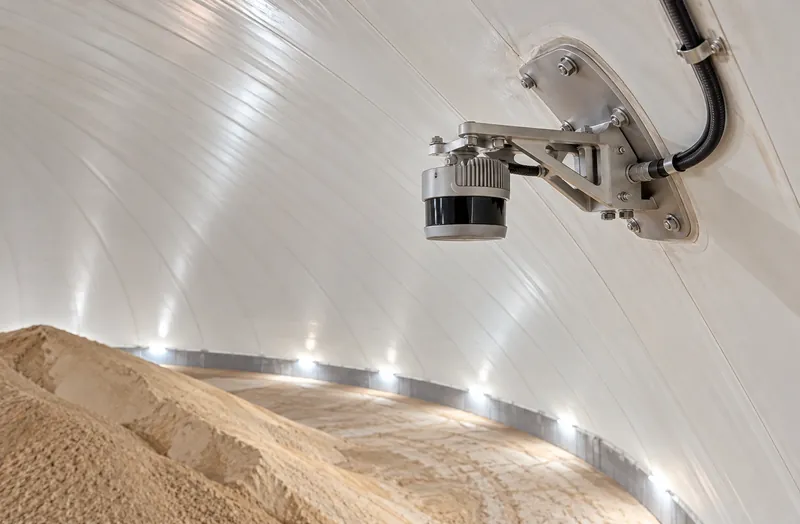
No flat ceiling, no trusses
A dome shell has no beams to clamp a bracket to. Every mount needs an attachment designed for the shell and its coating or membrane.
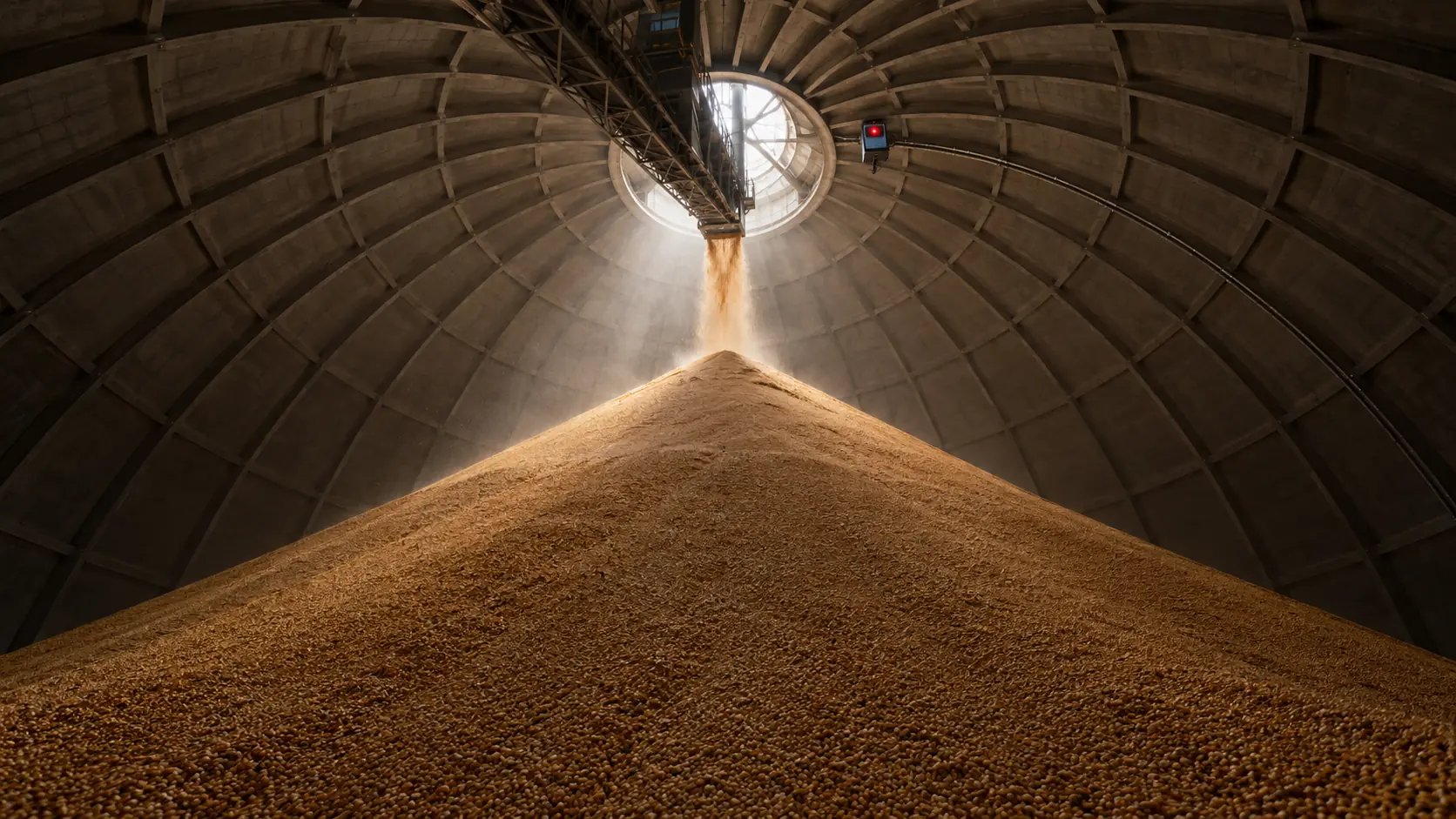
You can’t manage what you can’t measure
Read this before you order your next storage dome. Plan the sensors with the dome, install them like a light bulb.
CRATUS plans LiDAR volume measurement for bulk solid storage domes at the time the dome is ordered. When mounting points, power and a data path are built into the dome, installing the sensors is as simple as mounting a light bulb. Retrofitting the same sensors after the dome is built means high access, shell penetrations and cable runs across a curved structure.
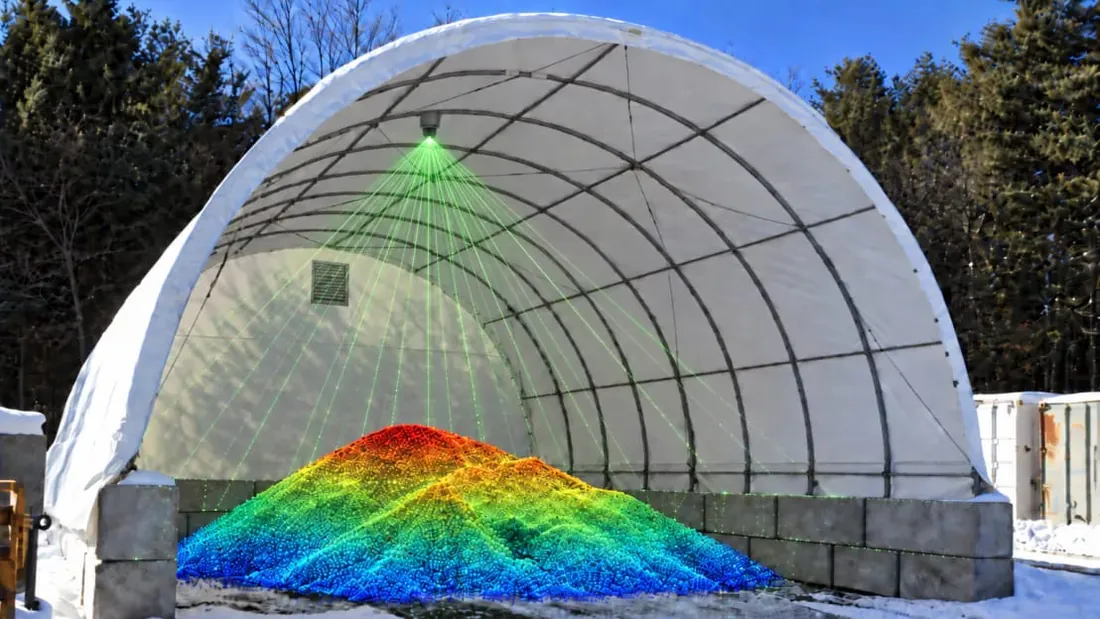
The challenge
Domes are efficient to build and fill. They are less friendly to anyone who has to mount equipment inside them later.
A dome shell has no beams to clamp a bracket to. Every mount needs an attachment designed for the shell and its coating or membrane.
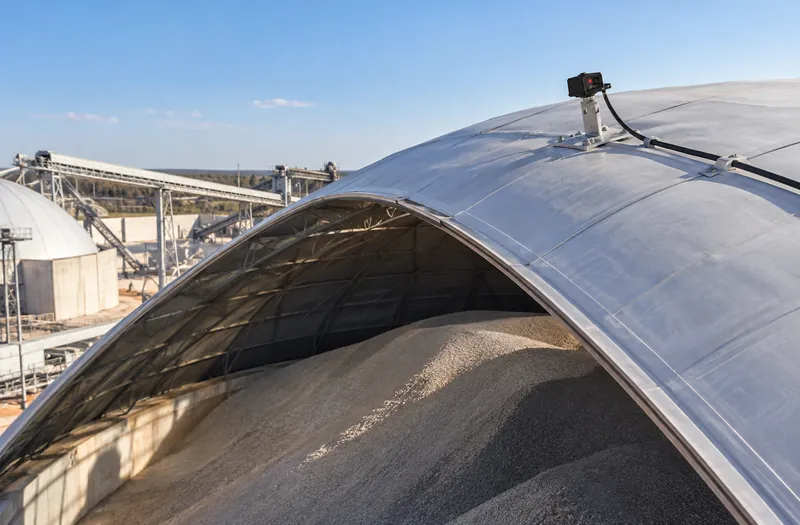
The best sensor positions are high on the shell or near the apex. Reaching them after construction means lifts or rope access over a curved surface, often over material.
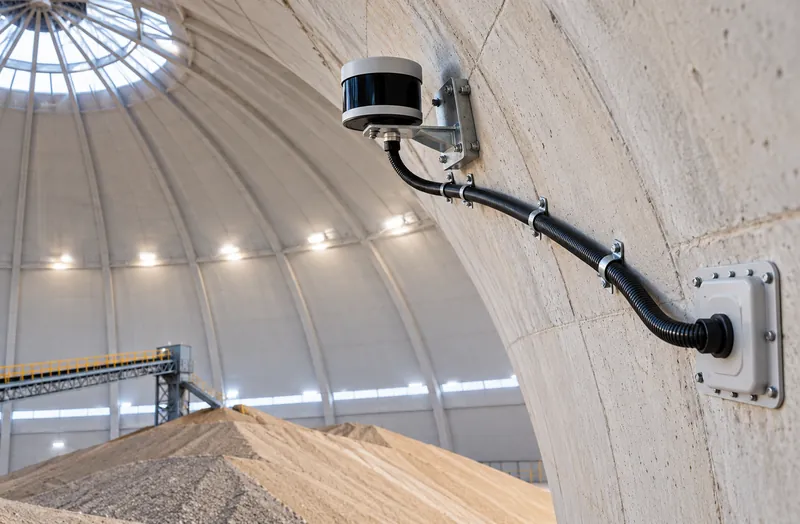
Without a planned conduit route and junction points, cable has to be run and fixed along the shell, and penetrations have to be added and sealed.
Tell us when you order the dome, and mounts, power and data are built in while access is easy.
See the approachDome types
Dome geometry sets where the pile sits and where the sensors can see it from.
| Hemispherical dome | Barrel dome | |
|---|---|---|
| Typical pile | Central cone under an apex fill point | Long ridge pile under a fill conveyor along the crown |
| Reclaim | Tunnel or side reclaim, drawing a central crater | Tunnel or loader reclaim along the length |
| Sensor focus | Around the apex, plus a view into the reclaim crater | Spread along the length, like a long warehouse |
| Planned at order | Mounting points near the apex ring, conduit along the shell | Mounting points along the crown line, conduit along the length |
| Retrofit after construction | High apex access, shell penetrations, cable over a curved surface | Long cable runs, many high mounting points |
Before you order
Share these with CRATUS and your dome builder at the design stage.
Our approach
For a dome the approach starts before the dome exists: sensors, mounts, power and data are planned from the dome drawings, so installing the sensors is as simple as mounting a light bulb.
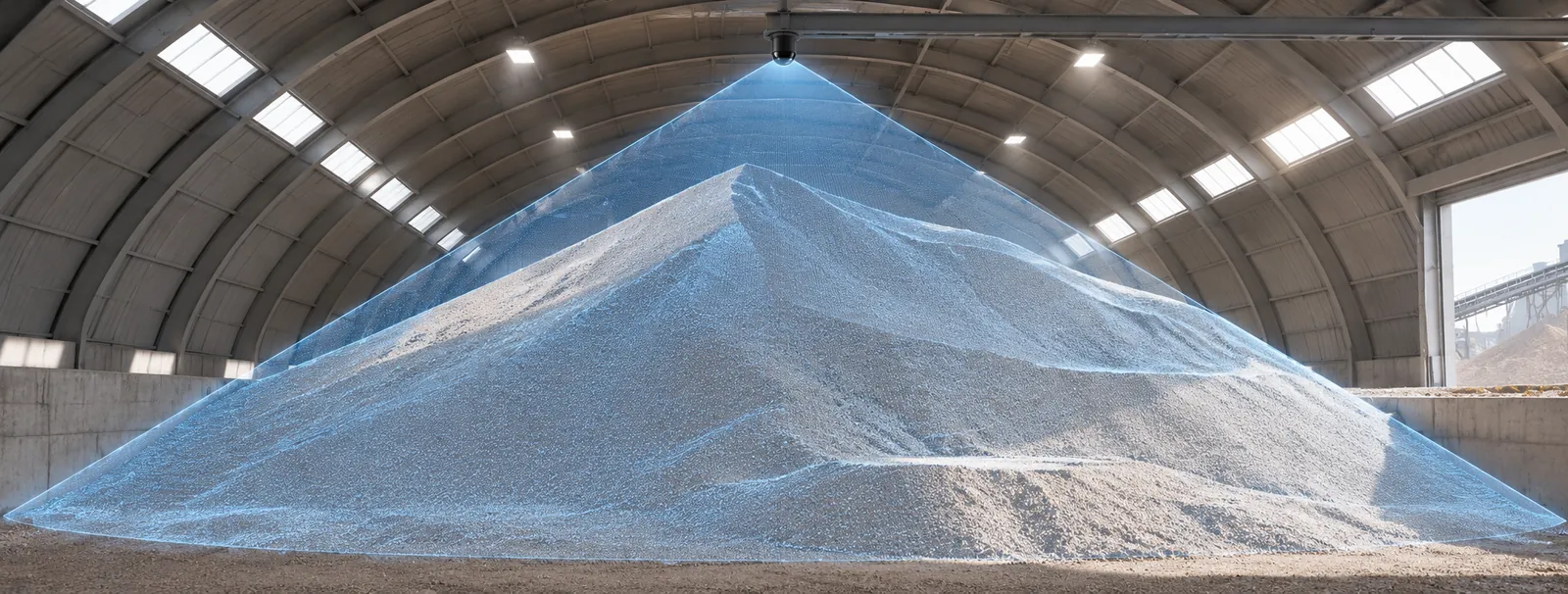
LiDAR sensing
Fixed LiDAR sensors at planned positions near the apex or along the crown measure the pile surface with their own laser light. Mounting points are designed for the shell, and directional LiDARs are placed to see into the crater that tunnel reclaim draws into the pile.
Edge computing
The edge computer sits in an accessible enclosure at ground level, so service does not need high access. It merges the sensors into one surface and computes the volume; only results leave the dome, over Ethernet, Wi-Fi or cellular.
Software & dashboards
Volume and weight from the first load, with history for the life of the dome, on a dashboard with reports and exports for the systems you already run.
AI
AI separates the material surface from loaders, trucks, people and airborne dust, so the dome reports clean numbers, and flags changes that do not match the plan.
What we deliver
Planned with the dome builder, installed in hours, measured from the first fill.
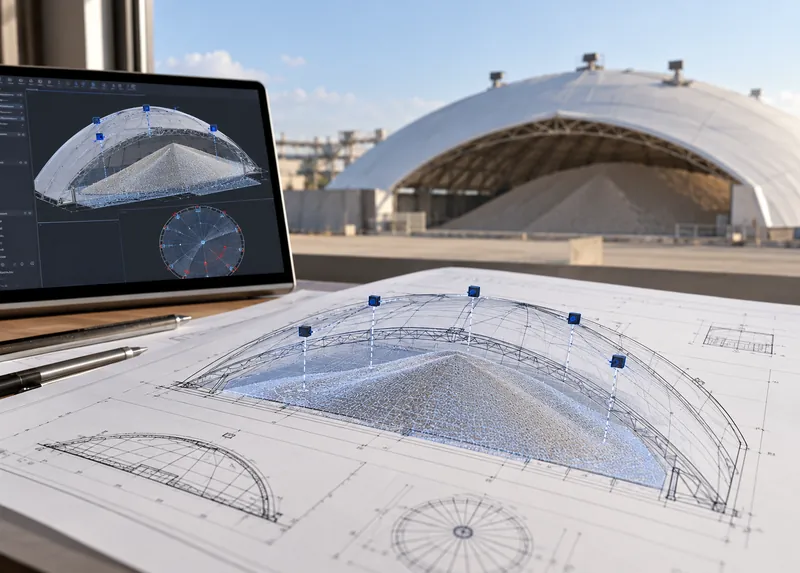
Sensor types and positions chosen from the dome geometry, fill point and reclaim layout before the dome is built.
Sensing
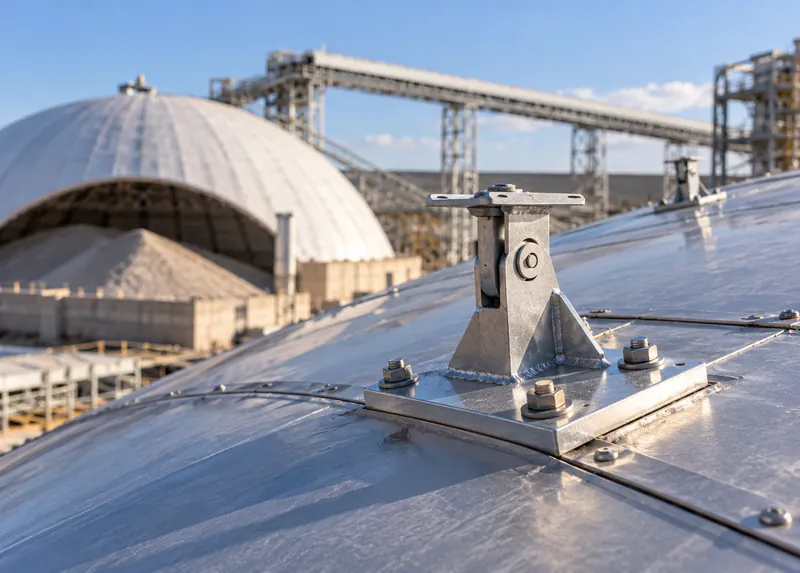
Mounting points specified for the shell at the positions the coverage model needs.
Sensing
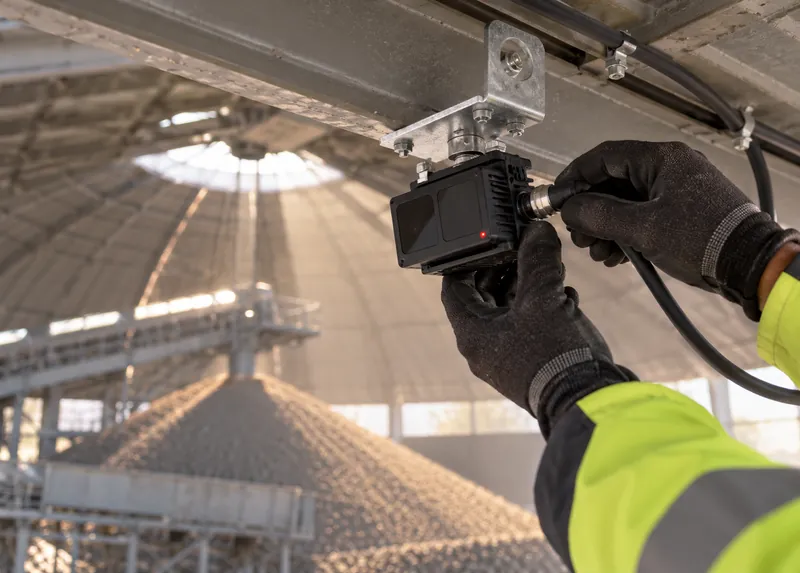
With mounts, power and data in place, each sensor fits and connects at its prepared position.
Sensing · Edge
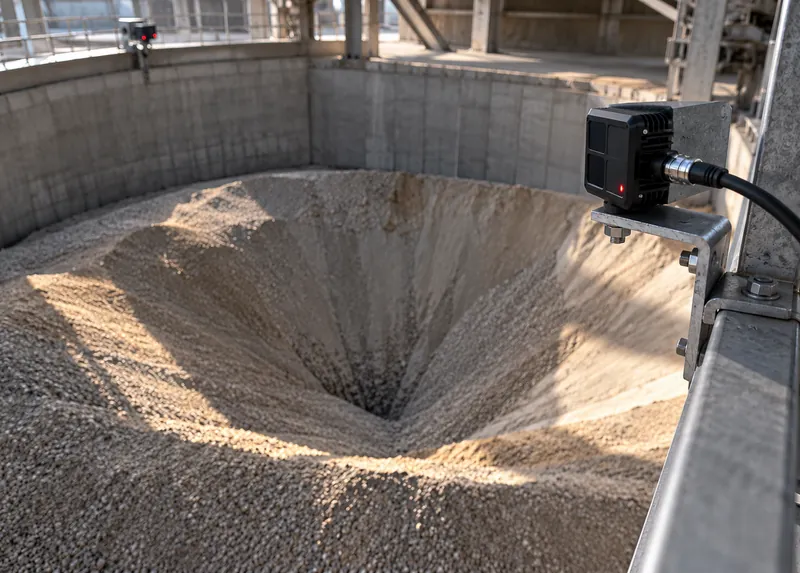
Domes reclaimed from a tunnel draw a crater into the pile. Directional LiDARs are placed to see into it.
Sensing
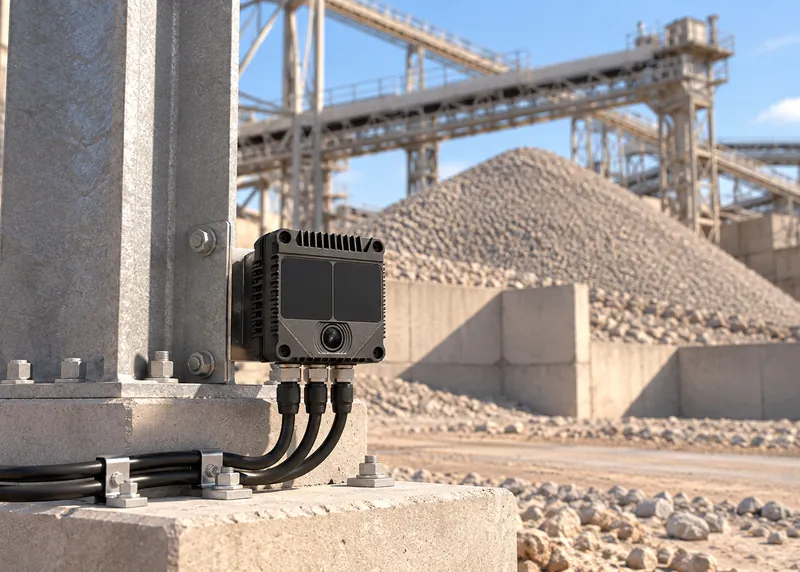
Processing and connectivity in an accessible enclosure, so service does not need high access.
Edge
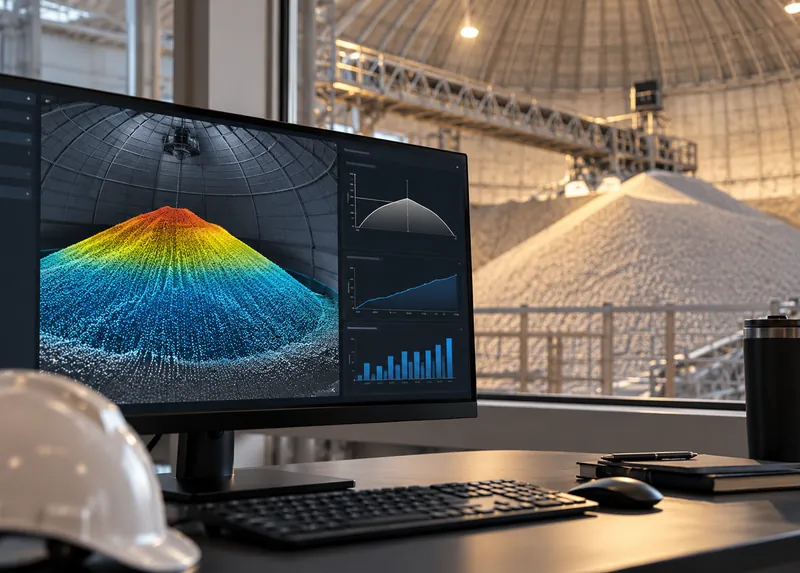
Volume and weight from the first load, with history for the life of the dome.
Software
The CRATUS VMS system
The same sensors serve a dome planned at order or a retrofit; planning at order removes most of the installation work.
Overall surface coverage
Covers a large share of the pile from one mounting point near the apex or along the crown, and follows it as it rises and falls.
Targeted, longer reach
Placed to look into the crater a reclaim tunnel draws into the pile, which a wide view from above sees poorly.
ASSET-Rx EDGE middleware
Runs at ground level in an accessible enclosure, merges the sensors into one surface and computes volume, so only results leave the dome.
Cloud or local
Volume, weight and history from the first fill. Choose a cloud subscription or a local license per unit, per site or company-wide.
For trusses, walls and ceilings
Mounts the sensor at the point designed for the shell and holds the angle chosen in the coverage model, with no beams to clamp to.
For extremely dusty sites
For dusty domes where purge air can be provided at the sensor position: keeps the window clear between scheduled cleanings.
One system
CRATUS designs the coverage, supplies the sensors and edge computer, runs the software and supports the system after commissioning. One point of contact from site survey to the daily inventory number. Browse the VMS systems for bulk solids.
All CRATUS productsThese details let CRATUS build a coverage model for your structure.
How we work
A dome is easiest to plan before it is built, so we start from the dome drawings. Sensor types, counts and positions are set before anything ships, and mounts, power and data go into the dome order.
The dome type and drawings, fill point and fill method, reclaim layout, material and area classification.
CRATUS chooses sensor types, counts and mounting positions from the dome geometry, fill point and reclaim layout before the dome is built.
Mounting points, power and data path go to the dome builder, so mounts, power and data are in place when the shell is finished.
Each sensor fits and connects at its prepared position; reference scans and bulk density per material are checked against a known quantity where one is available.
Dashboard, reports and alerts, a lens-care schedule and engineering support for the life of the dome.
Standards & practices
Domes for bulk solids often involve combustible dust, and the rules depend on the site. Area classification comes first and goes into the dome order.

Area classification and compliance decisions rest with the site owner and the authority having jurisdiction. CRATUS plans the installation around these requirements and documents it to support your review; we don’t self-certify.
Because it is the cheapest time to do it. Mounting points, conduit routes and penetrations are easy to add while the dome is designed and built, and hard to add once the shell is finished and filled.
The dome drawings, the fill point and fill method, the reclaim layout and the material. From these CRATUS defines the mounting positions, power and data needs for the dome builder to include.
Yes. Existing domes can be retrofitted; the sensors are the same, but installation needs high access and added mounts, penetrations and cable runs.
Yes. A hemispherical dome usually holds a central cone under an apex fill point, so coverage centers on the apex area. A barrel dome holds a long ridge pile, so coverage is spread along its length, like a long warehouse.
With a directional LiDAR aimed into it. Tunnel reclaim draws a funnel into the pile that a wide view from above sees poorly, so a directional sensor is positioned to look into it. Bunkers and bins with bottom feeders show the same crater: see Bunker Material Volume Weight Measurement.
It is planned for. Domes can see condensation and temperature swings; sensor selection, enclosure and mounting take the dome climate into account.
120 VAC at ground level and a planned route to each sensor position, plus conduit for network cable or a plan for wireless or cellular. Where 12 VDC, an enclosure or internet access are not available, CRATUS can supply the power supply, enclosure and a cellular modem.
A scheduled cleaning of the sensor window is standard on dusty sites. Where dust is extreme and purge air can be provided at the sensor position, an air purge collar keeps the window clear between cleanings.
Yes, with the right planning. Area classification comes first and is part of the dome order; the installation is planned around it, including where equipment is placed and when it is energized. CRATUS documents the installation for the site owner and the authority having jurisdiction.
The dome drawings, the fill point and method, the reclaim layout and the material. CRATUS builds a coverage model and replies with a proposal that shows the sensor layout and expected performance, followed by a quote with options.
Both cloud and local options: a cloud dashboard subscription, a local dashboard license per unit, a site license for several units or a company license.
Yes. CRATUS works with the dome builder, your plant team, system integrators and IT departments, and provides installation instructions, network requirements and remote support during commissioning.
Talk to a CRATUS engineer
Send us the dome drawings, fill and reclaim layout and material before construction starts. CRATUS will define the mounts, power and data for your dome builder.
Keep exploring
Illustrations are not to scale. Specifications subject to change without notice.
GET IN TOUCH
One of our experts will be communicating with you shortly. We are committed to understanding your application and providing support, tailored to your specific requirements.