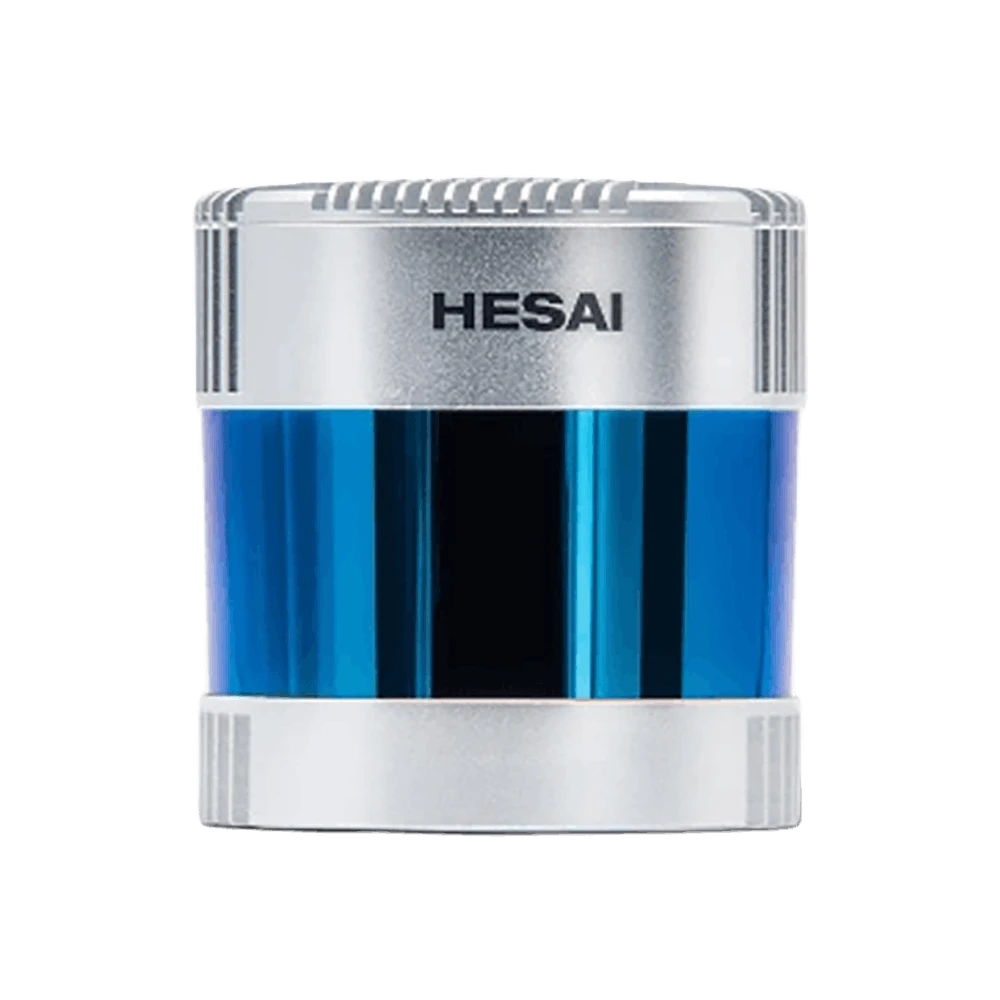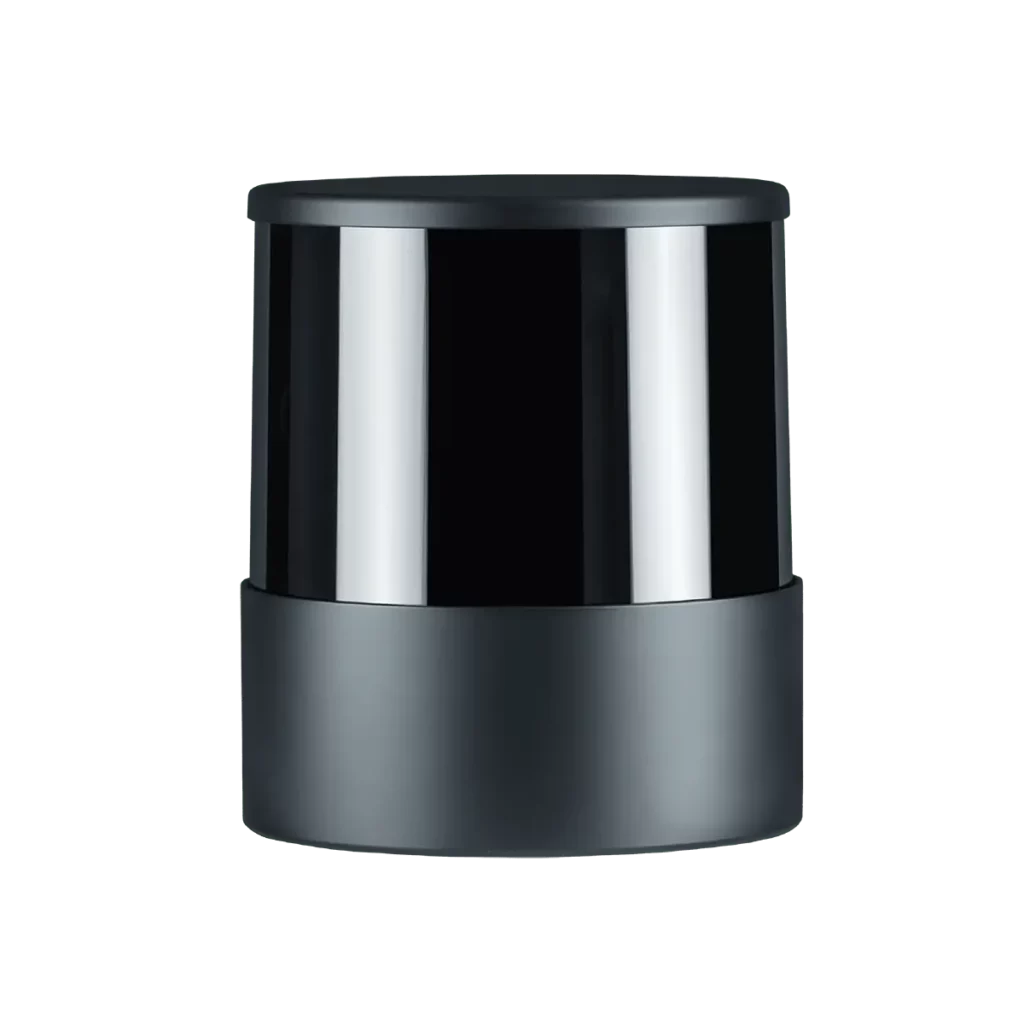
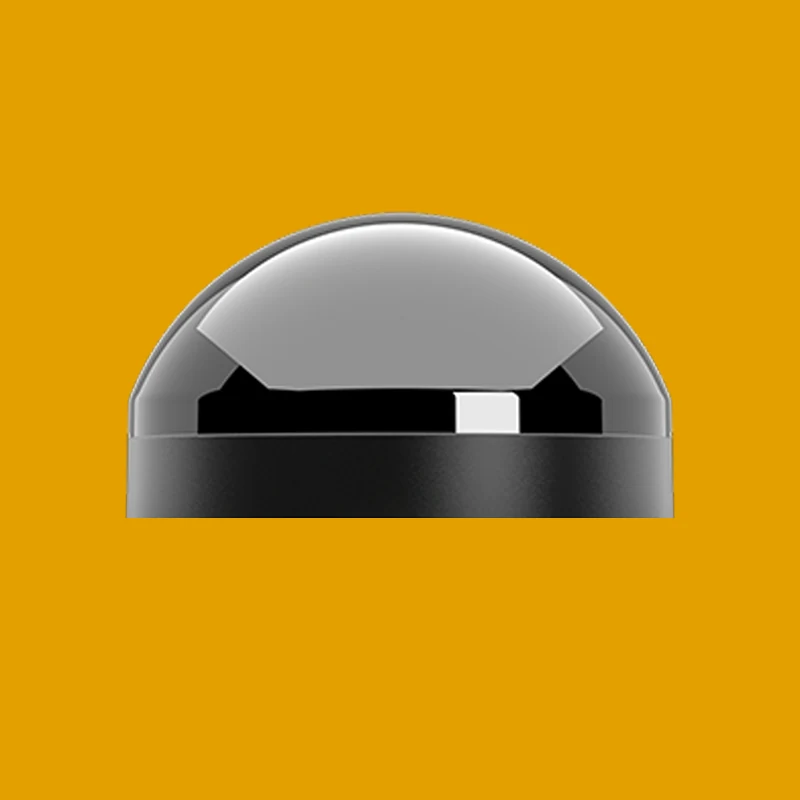
The First Industrial 3D Safety LiDAR
Safety Airy is built on RoboSense’s next-generation digital architecture and designed to the PL d, SIL 2 and Type 3 industrial safety standards. Instead of the flat scan plane of a 2D safety laser scanner, it projects a quasi-hemispherical 3D protection zone — detecting overhanging shelves, thin rods, guardrails and human hands that a single plane at ankle height never sees.
At the same time it outputs a high-resolution, high-beam-count 3D point cloud, so the unit that stops the machine is also the unit that navigates it. For mobile equipment and for fixed safety areas alike, one Safety Airy replaces a multi-sensor stack of safety and navigation LiDARs.
Safety in Three Dimensions, Not One Plane
Three properties that decide whether a safety sensor actually protects the people around a machine.
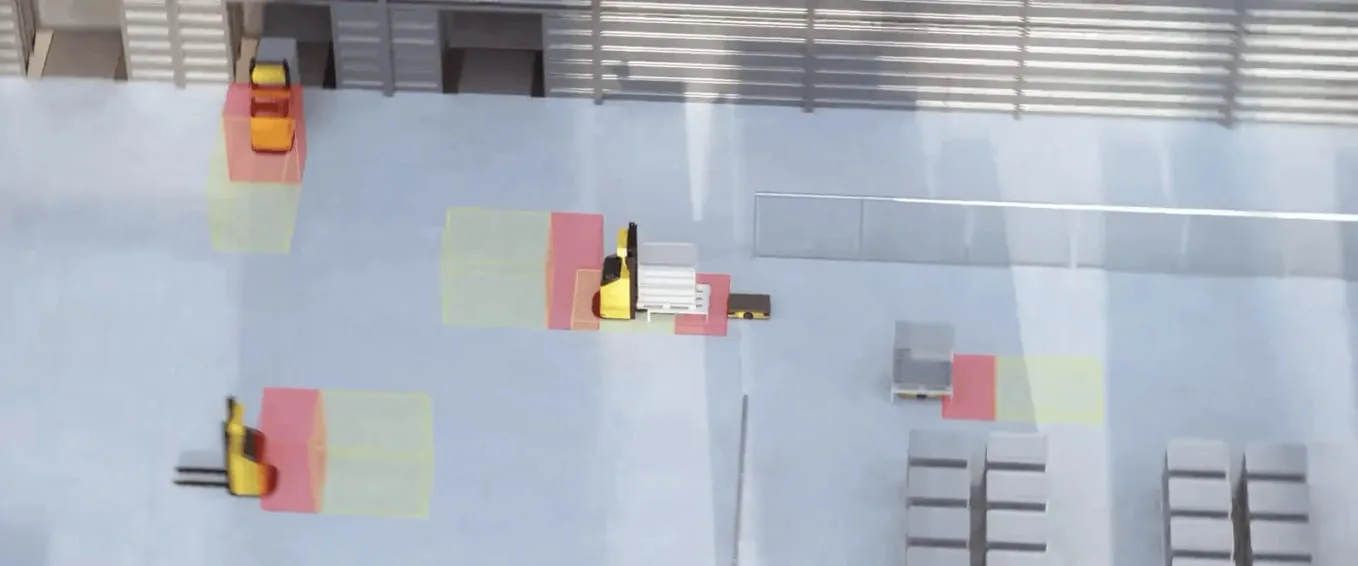
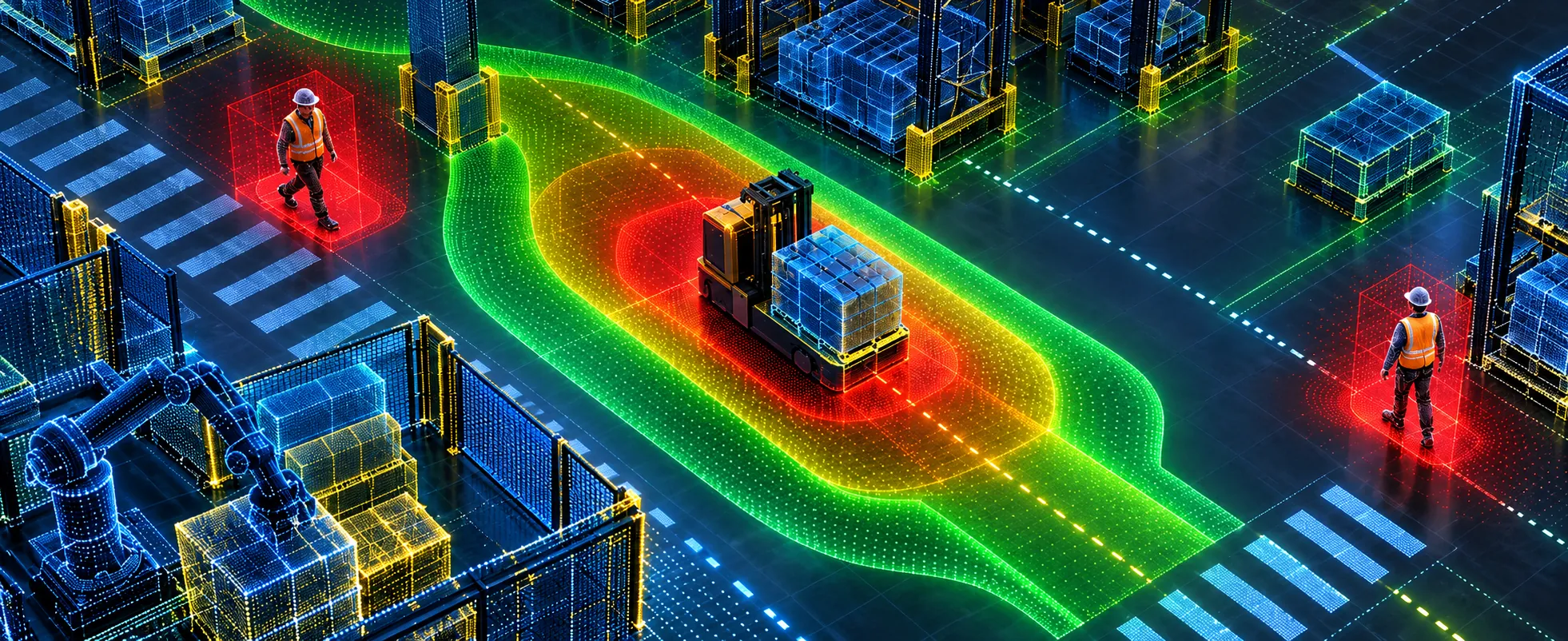
Large 3D Zones That Move with the Machine
Safety Airy enforces multi-layered protection. The outer warning field slows the equipment or raises an alert when a person enters the perimeter; the inner protective field triggers a hardware stop the moment a human or obstacle breaks the threshold.
Both zones are 3D and exceptionally large in radius, with multiple selectable distance resolutions, so they can be shaped around machine speed, steering angle and operational risk rather than around the limits of a scan plane.
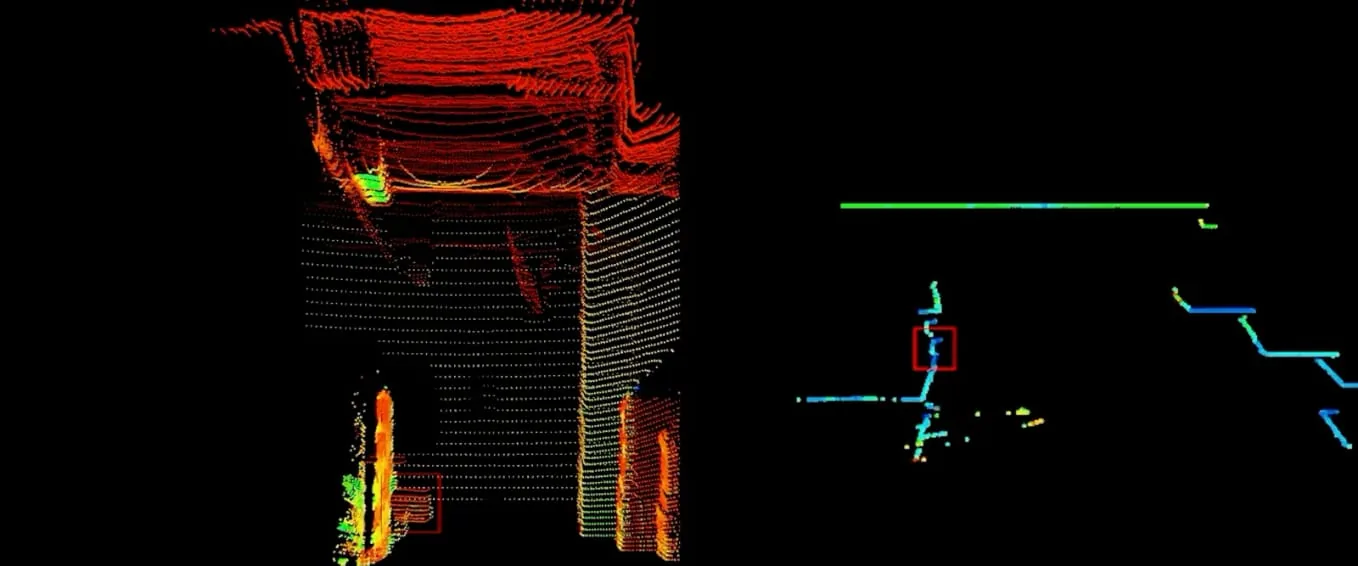
Objects a 2D Scanner Cannot See
A conventional safety laser scanner draws one horizontal line. Anything above or below it — a pallet tine at chest height, a shelf beam overhanging the aisle, a guardrail, a hand reaching into a cell — is invisible to it.
Safety Airy’s quasi-hemispherical field of view closes that gap. Combined with its extended detection range, the high-beam-count point cloud also picks out small obstacles on the factory floor, so the machine can avoid them instead of stopping for them.
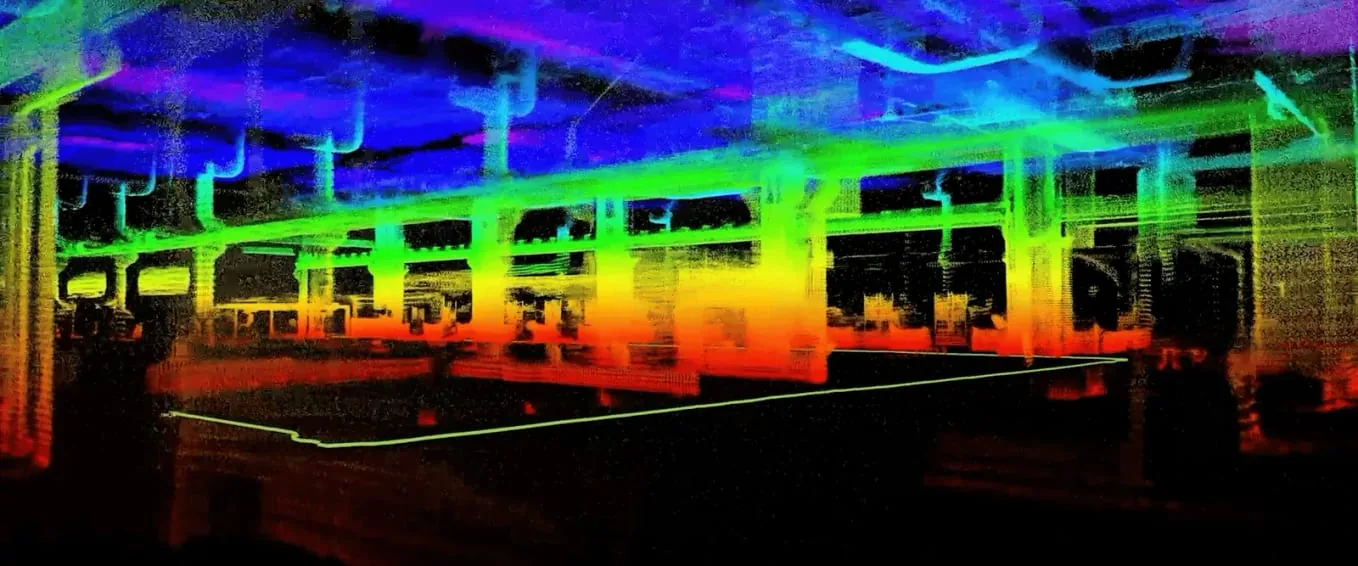
Safety, Navigation and Obstacle Avoidance in One
Safety warnings and protective functions run alongside a high-resolution 3D point cloud. The same sensor stream feeds SLAM, localisation and obstacle avoidance on autonomous forklifts and robots.
That is a real change to the bill of materials. Where a platform used to carry a 2D safety scanner for certification plus a separate 3D LiDAR for navigation — each with its own mount, cabling, calibration and blind spots — one Safety Airy does both, reducing sensor count, system cost and integration work.
Two Independent Channels, No Silent Failures
A safety-rated sensor is defined by what it does when something goes wrong.
Dual-Channel, Dual-Processor Design
Two mutually independent safety paths, each on its own processor, provide redundant backup. A fault in one channel is caught by the other instead of passing silently into the machine’s control loop — the structural basis of a PL d / Category 3 style design.
Comprehensive Self-Diagnostics
Continuous internal testing monitors the optical path, emitter and logic in real time. When a fault is detected the sensor drives a certified safe state rather than continuing on degraded data.
Contamination Detection
Dust and soiling on the optical window are detected and reported — the classic way a standard LiDAR fails silently on a factory floor.
Crosstalk Immunity
Robust against multi-sensor interference, including head-on LiDAR and radar from other vehicles operating in the same aisle.
Ambient Light Resistance
Engineered to hold its safety function under strong and changing ambient light, from dock doors to skylights.
System-Level Functional Safety
Designed to satisfy functional-safety requirements at the system level, so the sensor fits into a certified safety chain with your safety controller.
Applications
Where heavy machinery and people share the same floor.
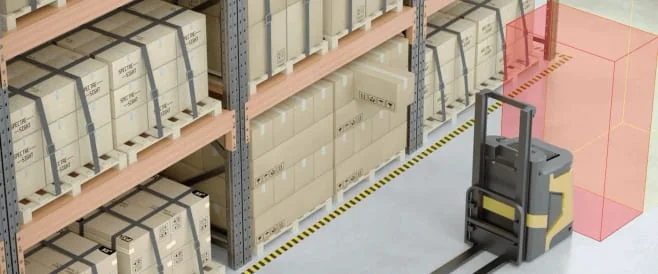
A 3D zone ahead of the forks covers racking, overhanging loads and people — not only the floor.
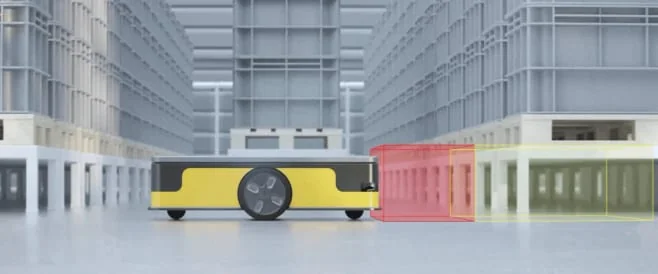
Certified stop zones plus navigation point cloud from a single sensor on the chassis.
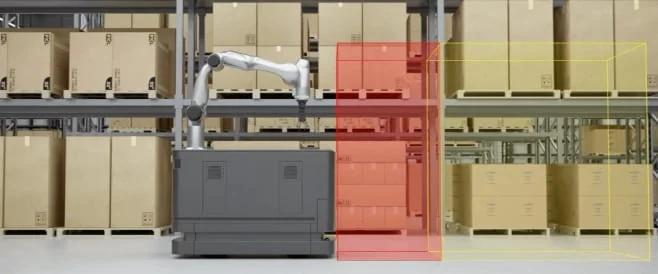
Protects the volume the arm sweeps, not just the footprint of the base.
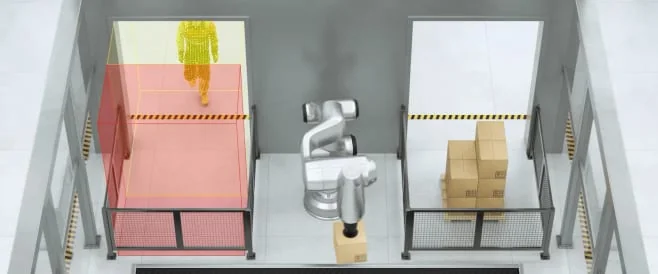
Fixed-area guarding of robot cells and stations, detecting a person or a hand at entry.
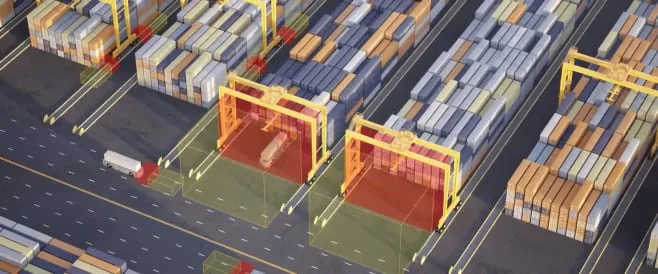
Safety zones around straddle carriers and yard equipment across large outdoor areas.
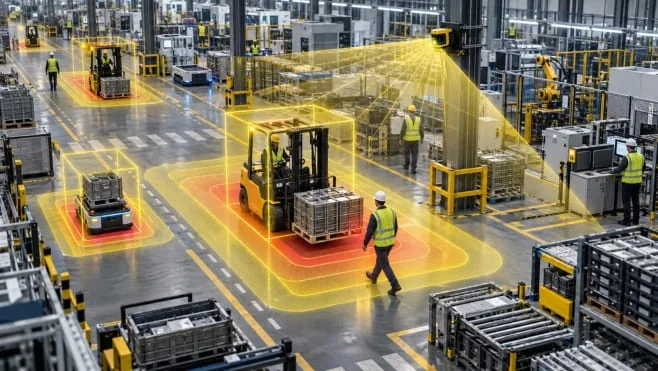
Outer field decelerates or alerts; inner field triggers a hardware emergency stop.
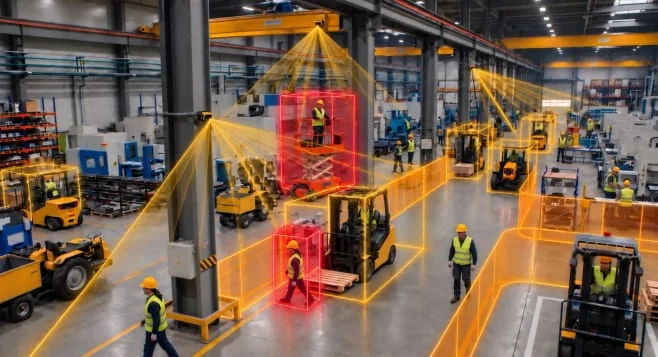
Personnel and heavy equipment working side by side without sacrificing throughput.
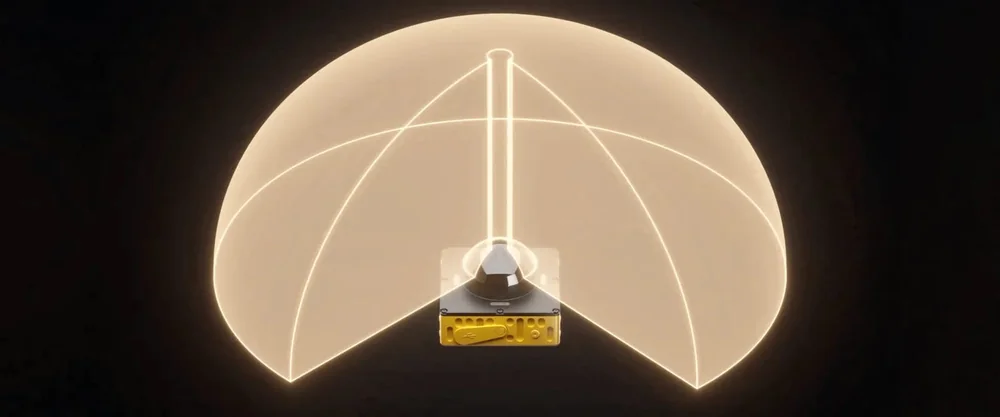
A quasi-hemispherical safety volume where a 2D scanner offers a single line.
Why Teams Choose the Safety Airy
Specifications▲
As published by RoboSense. Parameters not disclosed publicly are marked “—”; contact us for the controlled datasheet under NDA.
- Safety standards
- PL d (ISO 13849), SIL 2 (IEC 61508), Type 3 (IEC 61496)
- Safety architecture
- Two mutually independent dual-channel (dual-processor) safety paths; redundant backup
- Diagnostics
- Comprehensive self-diagnostics; contamination (soiling) detection and reporting
- Field types
- Warning zones and protective zones, 3D
- Interference
- Robust against multi-sensor crosstalk, including head-on LiDAR / radar; resistant to ambient light
- Protective field range
- —
- Warning field range
- —
- Response time
- —
- Safety outputs (OSSD) / safety interface
- —
- Number of field sets
- —
- Field of view
- Quasi-hemispherical 3D (exact H × V not published)
- Point cloud
- High-resolution, high-beam-count 3D point cloud, output simultaneously with the safety function
- Ranging & resolution
- Multi-level ranging; multiple selectable distance resolutions
- Detectable objects
- Overhanging shelves, thin rods, guardrails, human hands, small floor obstacles
- Navigation
- Supports 3D SLAM, localisation and obstacle avoidance
- Beams
- —
- Point rate
- —
- Range precision
- —
- Frame rate
- —
- Wavelength / laser class
- —
- Architecture
- RoboSense next-generation digital LiDAR architecture
- Size
- Ultra-compact (dimensions not published)
- Power consumption
- Low (figure not published)
- Weight
- —
- Data interface
- —
- Supply voltage
- —
- Operating temperature
- —
- Ingress protection
- —
- Vibration / shock
- —
Safety Airy shares the Airy name and RoboSense’s digital architecture, but it is a separate product in a different housing. Do not carry Airy figures (360° × 90°, 60 × 63 mm, < 240 g, < 8 W) over to it; until RoboSense publishes Safety Airy values, those fields stay “—”.
RoboSense describes Safety Airy as designed to and based on PL d, SIL 2 and Type 3. Ask us for the issued third-party certificate and the safety manual for your version before you rely on it in a safety function.
A rated sensor does not make the machine safe on its own. The achieved performance level depends on the complete safety function — sensor, safety controller, actuators and the risk assessment behind it.
Specifications are subject to change. Please confirm against the current RoboSense datasheet before design-in.